


November 2025 proved to be an unusually bleak month for the U.S. video game market, with hardware and physical software sales falling to levels not seen since the mid-1990s.
According to sales figures from market research firm Circana, only 1.6 million video game hardware units were sold across the United States during November, marking the lowest total for the month since 1995, when 1.4 million units were sold — the first year such data was tracked.
Total spending on hardware in November fell sharply, dropping 27% year-over-year to just $695 million, which Circana senior director Mat Piscatella noted is the weakest November hardware revenue since 2005, when the industry brought in approximately $455 million during that period.
This steep decline is particularly striking given that November typically includes Black Friday and seasonal holiday purchases, which have historically driven some of the strongest hardware sales of the year.
One major factor behind the sales slump appears to be cost: the average price paid for a new console unit reached a record high for November at $439, up about 11% from last year. Piscatella has pointed out that rising console prices — likely driven by tariffs and increased component costs — are suppressing consumer demand and discouraging purchases, especially among cost-sensitive buyers.
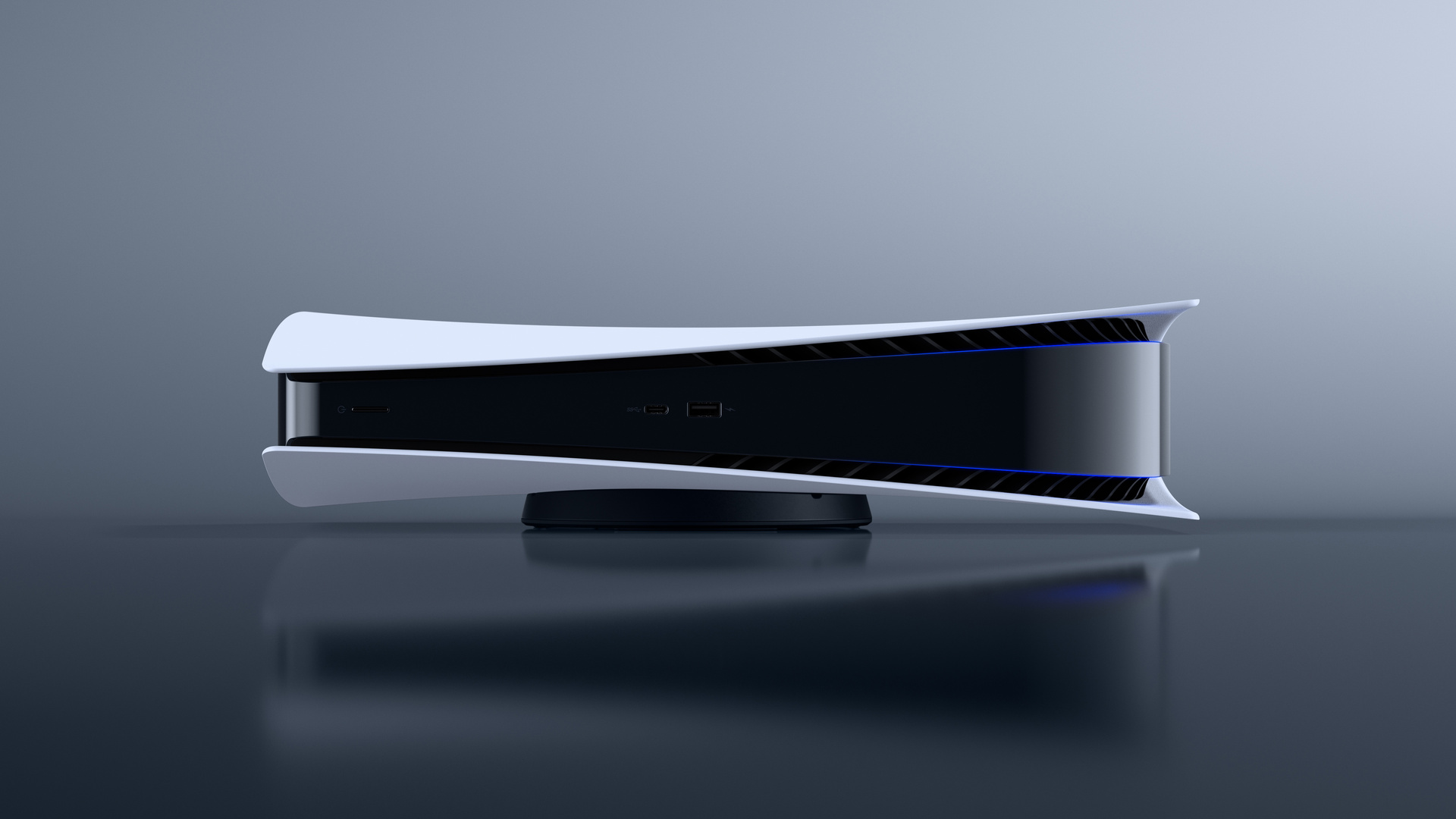
Despite the market downturn, the PlayStation 5 managed to claim the top spot in hardware sales for the month in both units sold and total dollars spent. This is the first time PS5 has led U.S. November hardware sales since the launch of the Nintendo Switch 2 earlier in 2025.
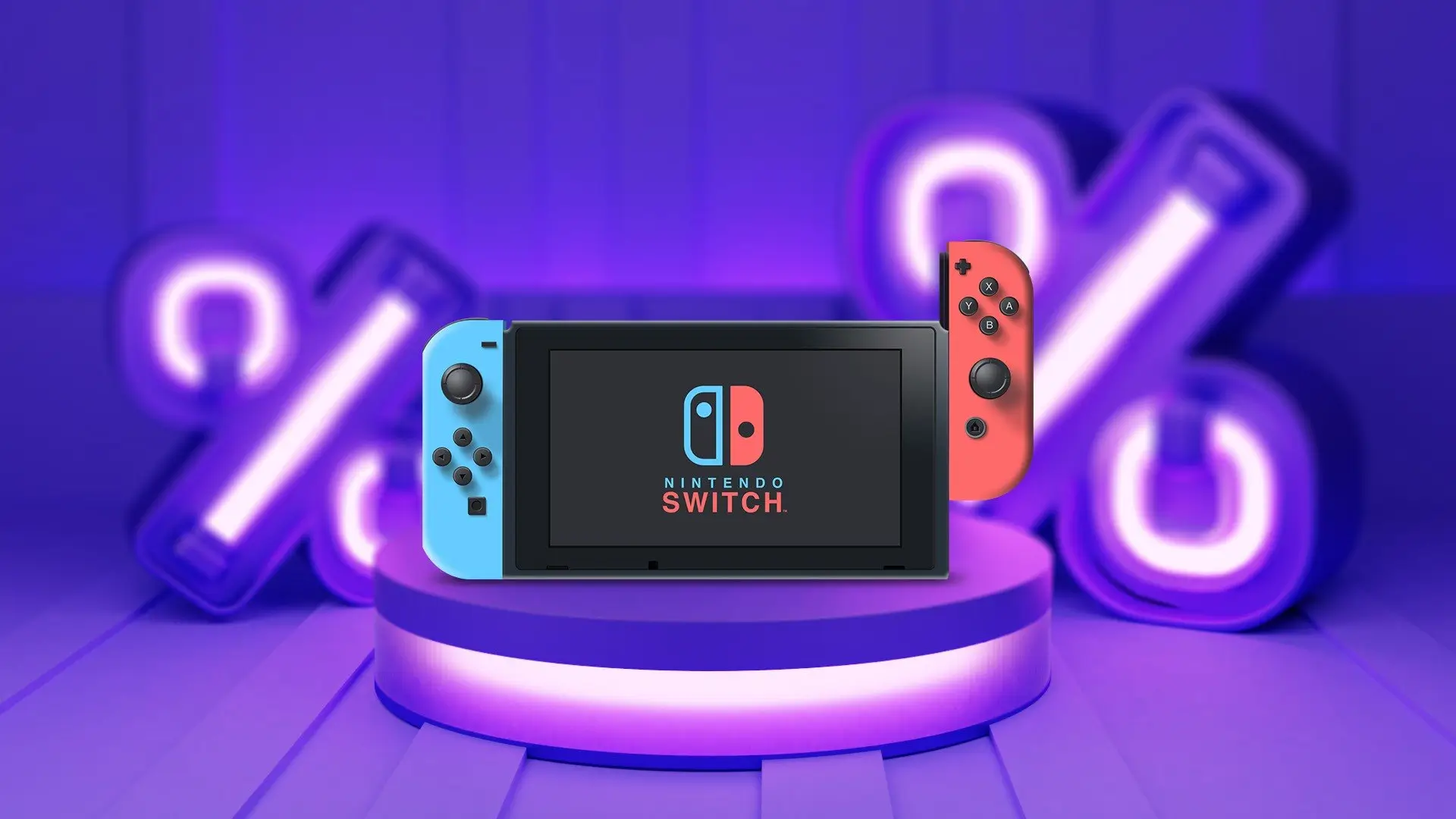
The Switch 2 finished in second place for both categories, while the unconventional NEX Playground — an Android-powered, motion-game-oriented console — surprisingly ranked third in unit sales. The Xbox Series X/S came in third in terms of dollar sales, reflecting broad weakness in Microsoft’s hardware uptake.
Physical software sales also declined significantly. Spending on physical games in November 2025 was down about 14% compared to November 2024, marking the lowest total for that month since tracking began in 1995.
Although this figure does not include digital software — which has grown to account for the majority of video game content sales — the drop in physical spending highlights shifting consumer habits and continuing challenges for boxed game sales.
Looking at individual titles, Call of Duty: Black Ops 7 claimed the top overall spot as November’s best-selling game in North America, continuing an 18-year streak of Call of Duty releases topping their launch-month charts. However, the franchise did suffer a double-digit percentage decline in full game dollar sales compared to November 2024, suggesting reduced spending even on marquee titles.
Amid these weak November results, Piscatella was asked on the social platform Bluesky whether console manufacturers could realistically lower prices given ongoing supply and tariff pressures. His response was blunt: “They likely cannot and will not.” He also warned that continued increases in hardware costs could have a “potentially catastrophic” impact on the dedicated console market over the long term.
For the U.S. video games industry, November’s results serve as an indicator of shifting consumer behavior: rising hardware costs, weakening physical software sales, and declining console sales even during prime buying season. Whether this trend continues heading into the Christmas quarter — traditionally the strongest period of the year — will be closely watched by analysts and publishers alike.
More News:
Elder Scrolls 6 Update Confirms What Fans Feared
Hollow Knight: Silksong Surpasses 7 Million Sales, First Free Expansion Announced
ARC Raiders Reveals Winter “Cold Snap” Update With New Survival Mechanics and Seasonal Events
