


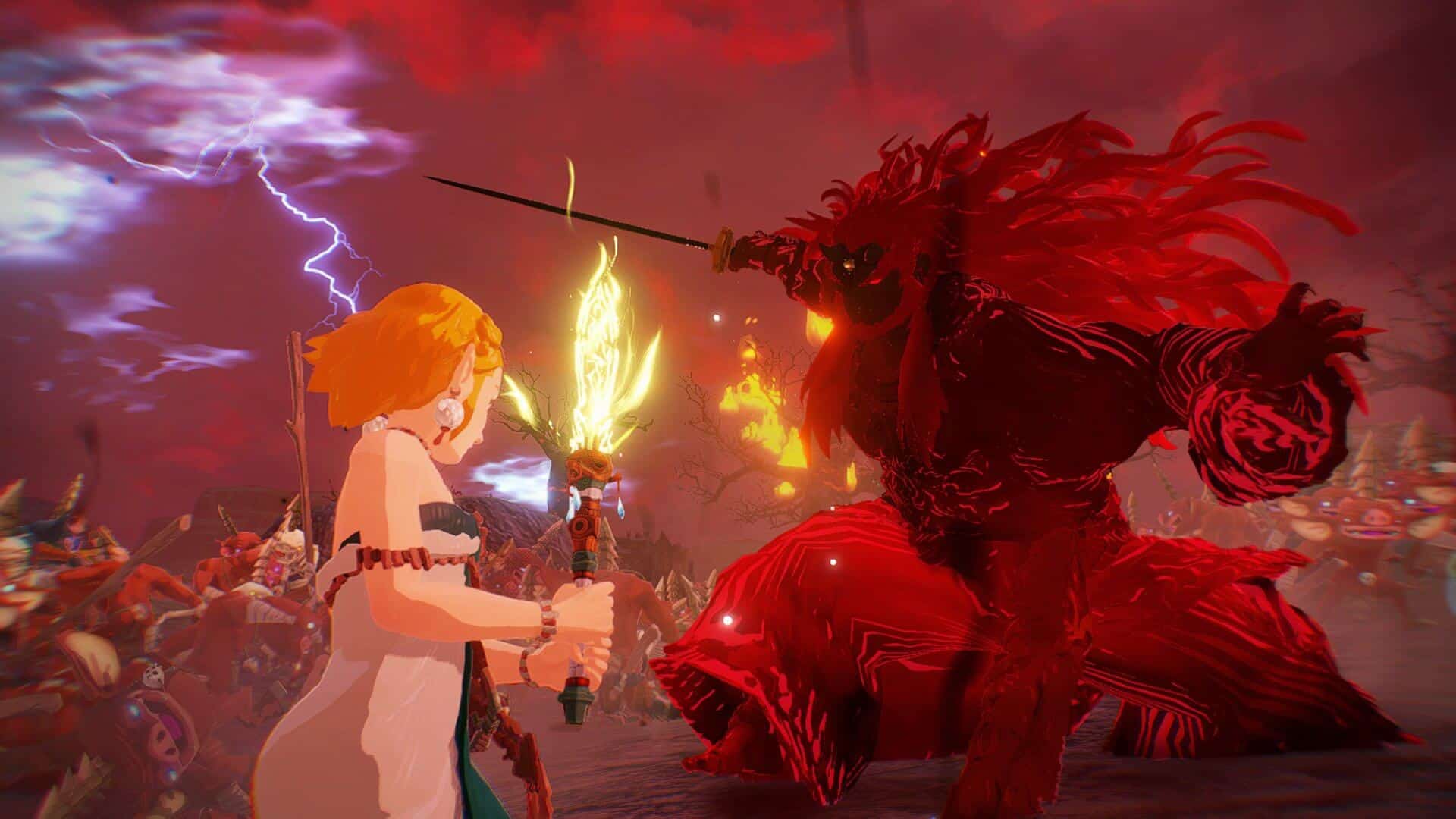
Eiji Aonuma, producer of The Legend of Zelda series, has offered one of the clearest hints yet about the direction of the next mainline Zelda game — suggesting it may be influenced in part by Nintendo’s recent collaboration with Koei Tecmo on Hyrule Warriors: Age of Imprisonment.
The comments come from a recent interview with Japanese outlet 4Gamer, where Aonuma reflected on the development experience of the Hyrule Warriors spin‑off and how that collaboration could inform future Zelda projects.
Hyrule Warriors: Age of Imprisonment launched exclusively for the Nintendo Switch 2 in November 2025, becoming the first Zelda‑related title released on the platform. The game blends the familiar world and characters of The Legend of Zelda with Koei Tecmo’s Musou‑style, hack‑and‑slash combat and large‑scale battles, allowing players to control multiple iconic heroes against hordes of enemies.
During the interview, Aonuma admitted that Nintendo had originally hoped its internal team would be the first to launch a Zelda title on the new hardware, but that honor instead went to the Hyrule Warriors project. Despite this, he said the creative exchange between Nintendo and Koei Tecmo teams was valuable and could leave a lasting impact.
“The inspiration we received from this collaboration with Koei Tecmo may be reflected in the Zelda we create,”
Aonuma told 4Gamer, urging fans to “picture this while playing Age of Imprisonment and look forward to our Zelda.”
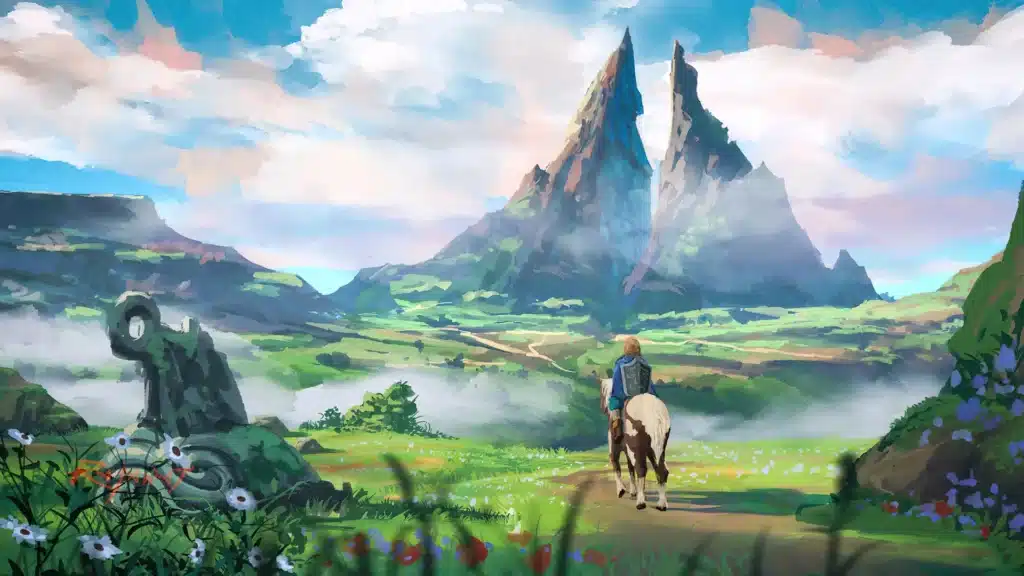
Although Aonuma stopped short of revealing any specifics about the next mainline game’s mechanics or storyline, his comments sparked significant discussion online. Many fans have interpreted the remarks as hinting that future entries in the series could feature broader combat scenarios, larger enemy encounters, or hybrid gameplay systems drawing on the more action‑oriented style showcased in Age of Imprisonment.
Zelda series director Hidemaro Fujibayashi, known for helming both Breath of the Wild and Tears of the Kingdom, also praised the collaboration, describing it as creatively refreshing and “stimulating.”
According to social media reports, members of the Hyrule Warriors development team noted that internal playtests with Nintendo’s Zelda team yielded ideas and feedback that might otherwise not have arisen, highlighting a productive creative synergy.
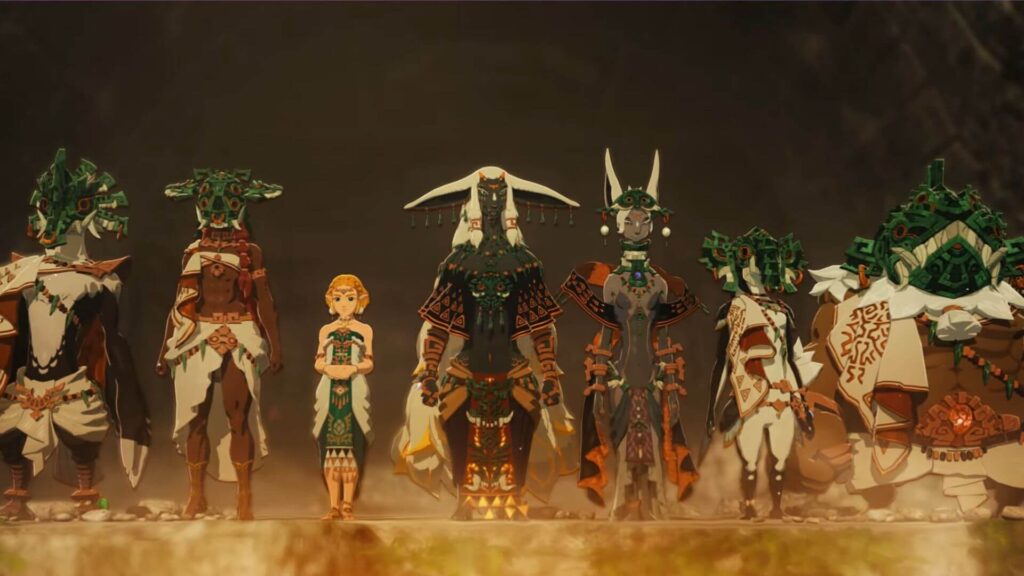
It’s worth noting that Nintendo hasn’t officially announced development details or a release window for the next mainline Zelda title, and 2026 may be early for a full sequel in the traditional sense — particularly since Tears of the Kingdom only launched in 2024 and other projects like the live‑action Zelda movie are in motion for 2027.
However, Aonuma’s remarks represent one of the first concrete breadcrumbs from Nintendo about how the franchise might evolve, indicating that the team is thinking creatively about its future instead of simply repeating established formulas.
Whether this inspiration translates into new combat mechanics, narrative structures, or more collaborative gameplay remains to be seen, but fans will likely be watching closely for further clues as Nintendo begins its next chapter in the storied Zelda franchise.
More News:
Riot Plans Major League Of Legends Overhaul With “League Next” For 2027
Sony And Tencent Quietly Settle Horizon Clone Lawsuit
US Video Game Hardware and Physical Software Sales Hit Worst November in 30 Years
