


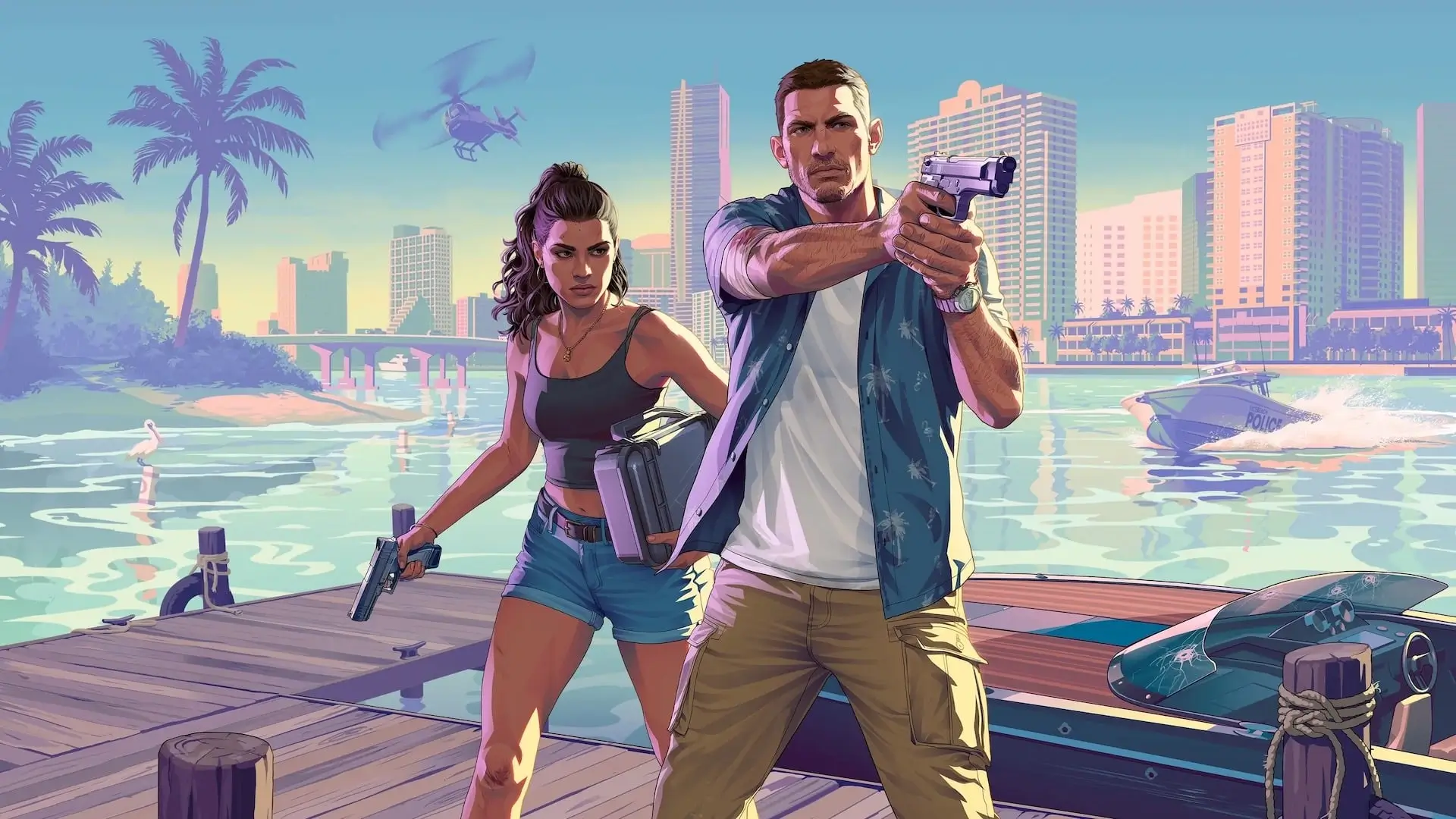
A recent “gameplay leak” for Grand Theft Auto VI that spread rapidly across social media has now been exposed as a deliberate hoax, after the creator behind it publicly admitted to fabricating the footage and misleading thousands of viewers.
The individual, known online as Tenshin, released a video explaining how the fake gameplay was produced and why it managed to convince so many fans. In the same statement, he apologized to the community, acknowledging the scale of the deception and the confusion it caused among players eagerly awaiting official news from Rockstar Games.
The incident comes at a time when anticipation for Grand Theft Auto VI is exceptionally high. With Rockstar maintaining tight control over official information, the lack of frequent updates has created an environment where even unverified clips can quickly gain traction.
Tenshin’s video reportedly broke down the process step-by-step, showing how editing techniques, reused assets, and carefully framed footage were combined to mimic what appeared to be authentic gameplay.
According to his explanation, one of the key factors behind the hoax’s success was timing. The clip surfaced during a period of heightened speculation about GTA VI’s development progress, which made audiences more receptive to anything resembling a leak. He also noted that the use of realistic UI elements and familiar visual styles helped blur the line between genuine content and fabricated material.
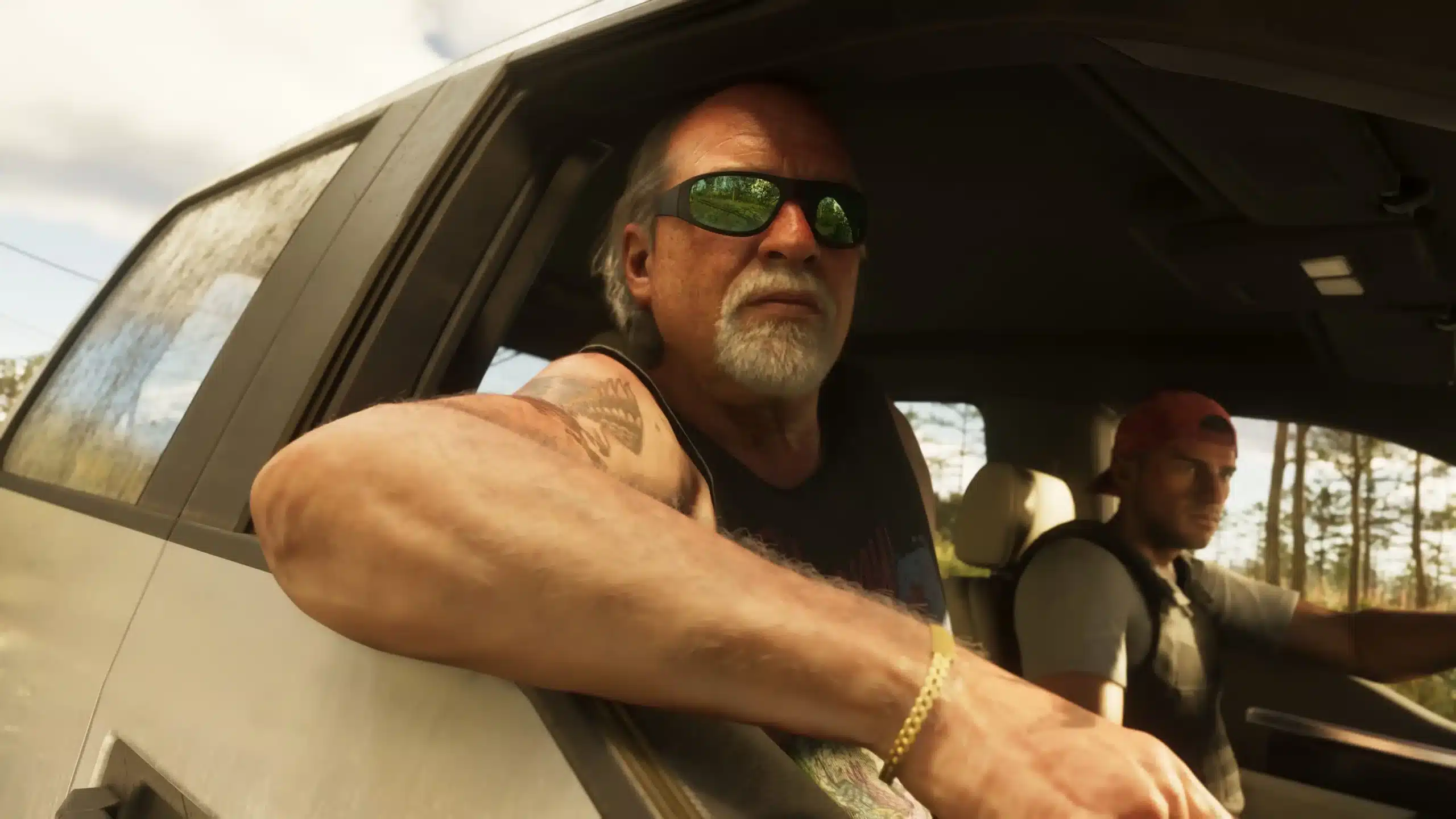
The scale of the deception highlights a broader issue within gaming communities: the rapid spread of unverified information. Social platforms and forums amplified the clip within hours, with some posts reaching tens of thousands of views before any fact-checking could occur.
Industry analysts often point out that viral gaming leaks can travel faster than traditional news cycles, making it difficult to correct misinformation once it gains momentum.
This is not the first time the Grand Theft Auto franchise has been at the center of leak-related controversies. The series has a long history of attracting both legitimate leaks and elaborate fakes, largely due to its massive global audience.
Rockstar itself has previously dealt with significant breaches, including early development footage leaks that were later confirmed to be real. That history adds another layer of complexity, as fans struggle to distinguish between credible information and fabricated content.

From a professional standpoint, the incident raises concerns about trust and content verification in digital communities. When high-quality fake material can convincingly imitate real gameplay, it challenges both audiences and content platforms to adopt stricter standards for verification.
It also puts pressure on developers like Rockstar Games to manage expectations while maintaining their traditional secrecy around major releases.
Tenshin’s apology, while direct, has received mixed reactions. Some users have accepted it as a learning moment, while others have criticized the deliberate nature of the deception, arguing that it undermines genuine community discussion. The situation also reflects a growing trend where creators may prioritize attention and virality over accuracy, especially in highly anticipated entertainment sectors.
Looking ahead, this incident is likely to make the GTA community more cautious about future “leaks,” particularly as the official release window for Grand Theft Auto VI approaches.
It may also encourage platforms and influencers to emphasize verification before amplifying such content. Ultimately, as excitement continues to build, the line between speculation and reality will remain a critical challenge—one that both creators and audiences will need to navigate more carefully.
More News:
Saudi Crown Prince Mohammed Bin Salman Has Acquired A 5% Stake In Capcom
Persona 4 Revival Leak Hints Pre-Orders May Be Coming
Nvidia’s DLSS 5 Revealed, but Critics Call It a “Garbage AI Filter”
