


The 2026 Game Developers Conference (GDC) — recently rebranded as the GDC Festival of Gaming — experienced a dramatic drop in attendance this month, with figures down roughly 33 % compared with 2025, drawing about 20,000 participants instead of more than 30,000.
Industry observers and multiple sources report that this sharp decline stems from geopolitical factors, notably U.S. government policies under the Trump administration, combined with the outbreak of war involving Iran, contributing to travel hesitancy and restrictions for international attendees.
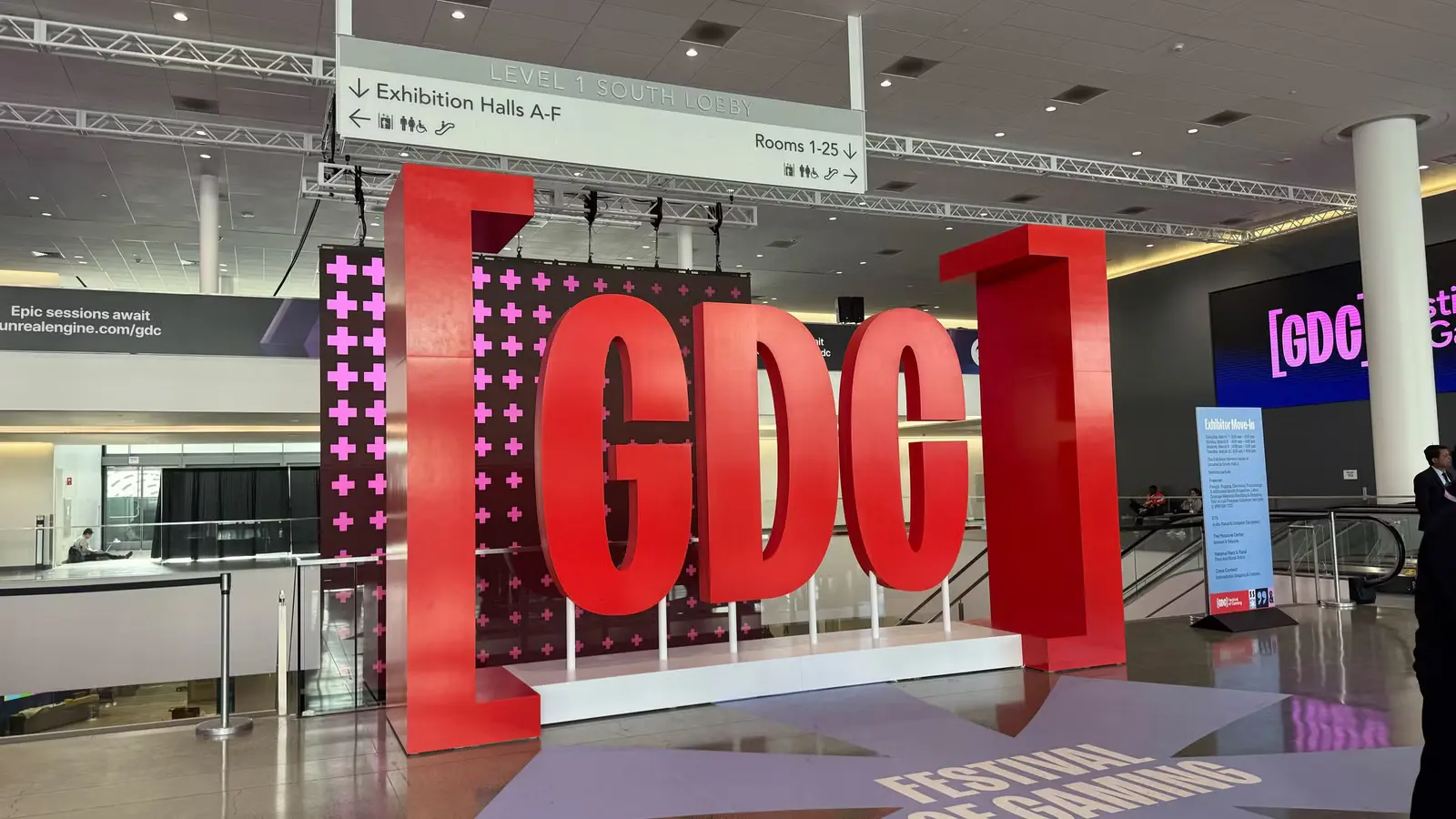
GDC, founded in 1988, has long served as a global hub for game developers, publishers, investors, and technologists, offering keynotes, networking, awards, and workshops in San Francisco each spring. In 2025, the event drew close to 30,000 industry professionals from more than 85 countries, making it one of the most important annual gatherings in the sector.
Yet this year’s conference felt noticeably smaller and quieter, with visibly sparser rooms and fewer international delegates. Organizers confirmed attendance of around 20,000 — a roughly 10,000-person drop — marking one of the steepest declines in the event’s recent history.
Geopolitical and Policy Factors Behind the Decline
Industry participants and analysts point to U.S. immigration and border policies as a major deterrent for overseas professionals. Developers from countries such as Brazil, China, and parts of Europe reportedly opted not to attend after encountering difficulties obtaining visas or facing intrusive customs screenings during prior U.S. visits.
These experiences, shared across social media and private channels, have amplified concerns about the complexity and unpredictability of U.S. entry procedures.

A growing sentiment among potential international attendees was summarized by one Spain‑based industry executive who told Arstechnia that heightened security and immigration reviews made travel to the United States “feel unsafe” for non‑U.S. citizens.
Others expressed fears of prolonged detentions, extensive questioning, and invasive device inspections at U.S. ports of entry — concerns that influenced their decision to stay home rather than risk disruption or denial at the border.
In addition, the broader geopolitical climate — especially conflict involving Iran and heightened global tensions — appears to have played a role in decisions by some firms to reduce or cancel travel commitments altogether, as reported by The Game Business. While direct causal links are harder to quantify, the timing of the onset of war in the Middle East has coincided with reduced international participation, according to industry sources.
Economic and Industry Context
The drop in GDC attendance has not occurred in isolation. The video game industry has faced substantial turmoil over the past several years, with an estimated 45,000 jobs eliminated between 2022 and 2025 due to rising development costs, economic downturns, and project cancellations. These layoffs have affected studios of all sizes and reduced financial flexibility for travel and networking.
Additionally, as pointed by PocketGamer.biz, steep costs associated with attending a major U.S. conference — including travel, lodging, and registration fees — compounded hesitations among smaller studios and independent developers already navigating tight budgets.
Organizers of GDC have acknowledged the challenges and are already planning adjustments for GDC 2027, including lowered ticket prices, expanded virtual offerings, and broader definitions of what constitutes “festival” engagement to appeal to a shifting global audience.
Looking ahead, how the Trump administration’s immigration policies evolve, the trajectory of international conflicts, and broader economic conditions will likely determine whether GDC can regain its historical attendance levels.
Industry leaders may increasingly push for alternative locations or hybrid models that reduce reliance on U.S. travel, while international game events like Gamescom in Germany may see heightened participation as global developers seek forums with fewer travel barriers.
In the short term, the 2026 GDC attendance figures serve as a stark indicator of broader challenges facing the global technology and creative industries — where political realities and global unrest increasingly shape who shows up, and how, to the world’s most important professional gatherings.
More News:
Hardspace: Shipbreaker’s Developer Is Working On A New Sci-Fi Action Game In Unreal Engine 5
PS5 Leads Resident Evil Requiem Launch Sales in U.S. by ‘Meaningful Margin’ Over PC
Crimson Desert Leak Reveals PC Visuals, Storage System, and Possible Sailing
