


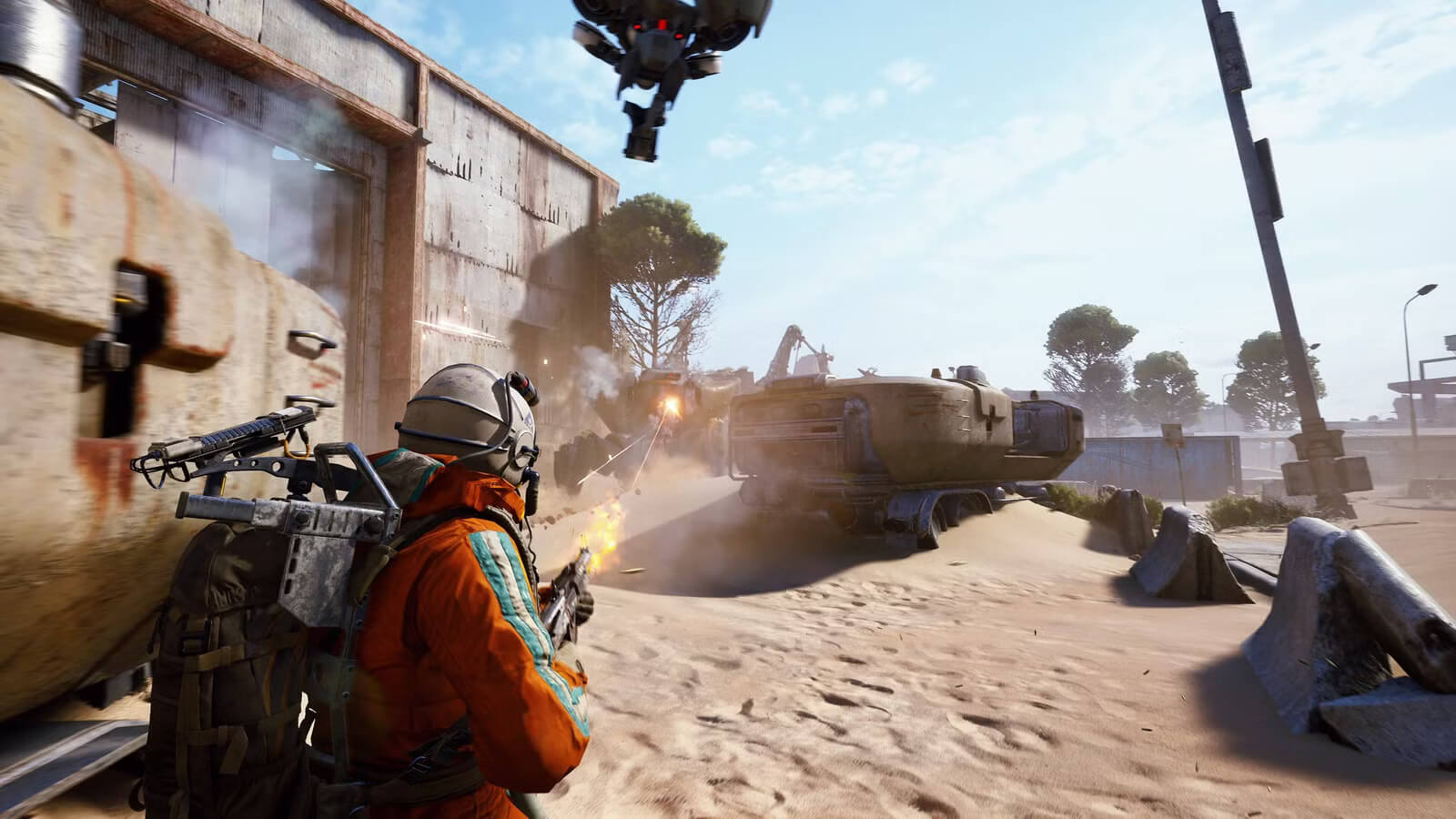
Embark Studios is deliberately reshaping the shooter formula with ARC Raiders, prioritizing “pure discovery” over the structured, system-heavy design that dominates the genre—and early results suggest the risk is paying off at scale.
Rather than guiding players through rigid tutorials, clear objectives, and predictable progression loops, Embark has built ARC Raiders around uncertainty. Players are expected to learn mechanics, enemy behavior, and survival strategies organically through experience.
This design philosophy stands in sharp contrast to most modern shooters, which rely heavily on onboarding systems and constant feedback to maintain engagement.
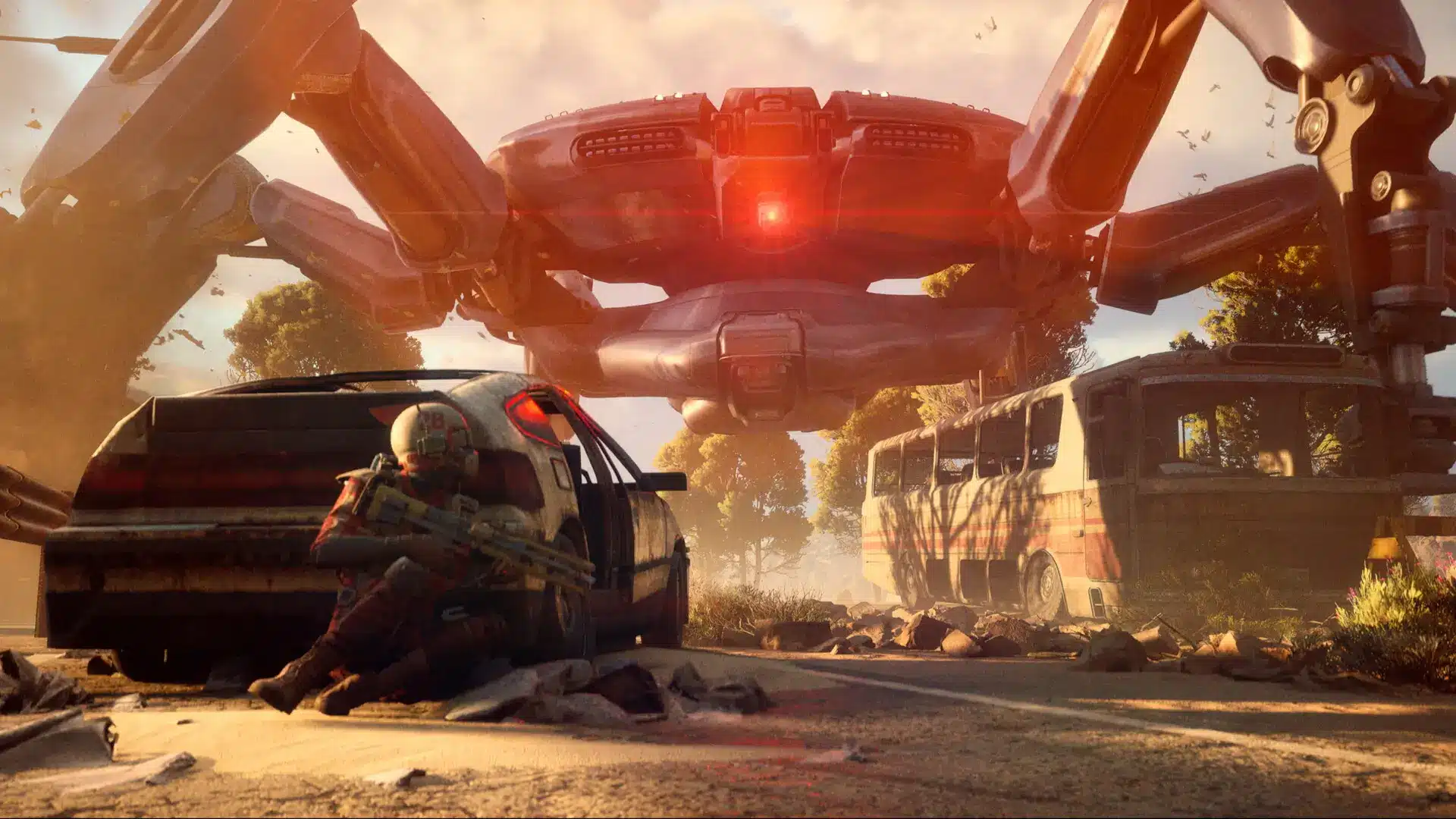
The shift did not happen overnight. ARC Raiders underwent a prolonged and often turbulent development cycle, during which the project struggled to define its identity. Production director Caio Braga revealed during a recent Game Developers Conference talk that early in development, even the team could not agree on what the game was.
“You’d ask someone who would say it was a battle royale… or a co-op Shadow of the Colossus game… or a hero looter shooter.”
Following the GDC talk, Braga told PC Gamer that the studio eventually shifted direction after realizing that there was,
“More potential in allowing players to explore rather than just shoot.”
At the core of this approach is how the game handles encounters. While earlier descriptions suggested fully adaptive AI, recent developer discussions have clarified that the innovation lies more in physical behavior than decision-making.
Machine learning systems—specifically reinforcement-based techniques—are used to enhance how enemy machines move, balance, and navigate complex terrain in real time. Their tactical decisions, however, still rely largely on traditional design frameworks. The result is a hybrid system where enemies behave unpredictably in motion, creating unscripted and often chaotic engagements that feel unique from one encounter to the next.
This emphasis on discovery extends beyond combat into player interaction. In a genre typically defined by competition, ARC Raiders has seen the emergence of what developers describe as “soft cooperation.” Players frequently choose not to engage each other immediately, instead coexisting—or even informally collaborating—during high-risk encounters.
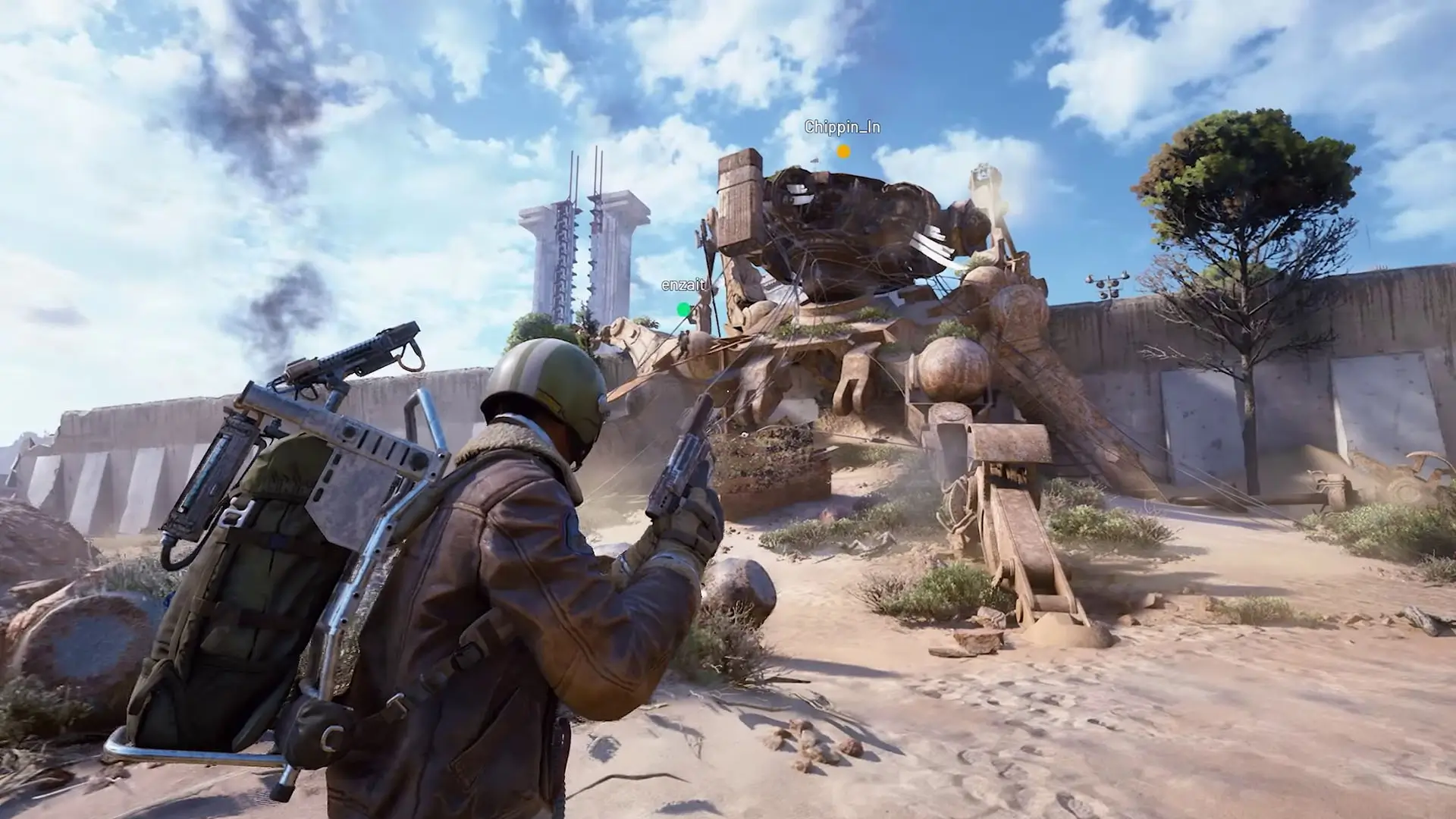
Recent seasonal updates have further leaned into this behavior, subtly rewarding players who survive large-scale threats rather than simply eliminating rivals. The result is a dynamic social layer that evolves without explicit rules, reinforcing the game’s broader philosophy of player-driven outcomes.
What makes this approach particularly notable is that it is not just a creative experiment—it is a commercial success. As of early 2026, ARC Raiders has sold over 14 million copies worldwide and reached a peak of approximately 960,000 concurrent players in January alone. It has also been deemed a new benchmark for Unreal Engine games.
Parent company Nexon has since described the title as a “blockbuster franchise” and a core pillar of its portfolio, citing strong retention and engagement metrics that exceeded internal expectations. The game also maintains millions of active users on a weekly basis, indicating that its less guided design has not hindered long-term player interest.
This success challenges a widely held assumption in the industry: that accessibility and heavy onboarding are essential for retention. Research has consistently shown that players tend to abandon games that feel confusing or punishing early on. ARC Raiders suggests there may be a viable alternative—one where depth, tension, and discovery create a different kind of engagement loop, driven more by curiosity than by rewards.
Looking ahead, the key question is whether this model can sustain itself as the player base grows and competition intensifies. If Embark can continue balancing unpredictability with fairness, ARC Raiders could influence how future multiplayer games are designed, particularly within the extraction shooter space. If not, it may highlight the limits of removing structure in favor of freedom.
For now, however, the studio’s gamble is clearly working—proving that even in one of gaming’s most standardized genres, there is still room for meaningful innovation.
More News:
Trump Administration and Iran War Contribute to 33% Decline at GDC 2026
Hardspace: Shipbreaker’s Developer Is Working On A New Sci-Fi Action Game In Unreal Engine 5
PS5 Leads Resident Evil Requiem Launch Sales in U.S. by ‘Meaningful Margin’ Over PC
