


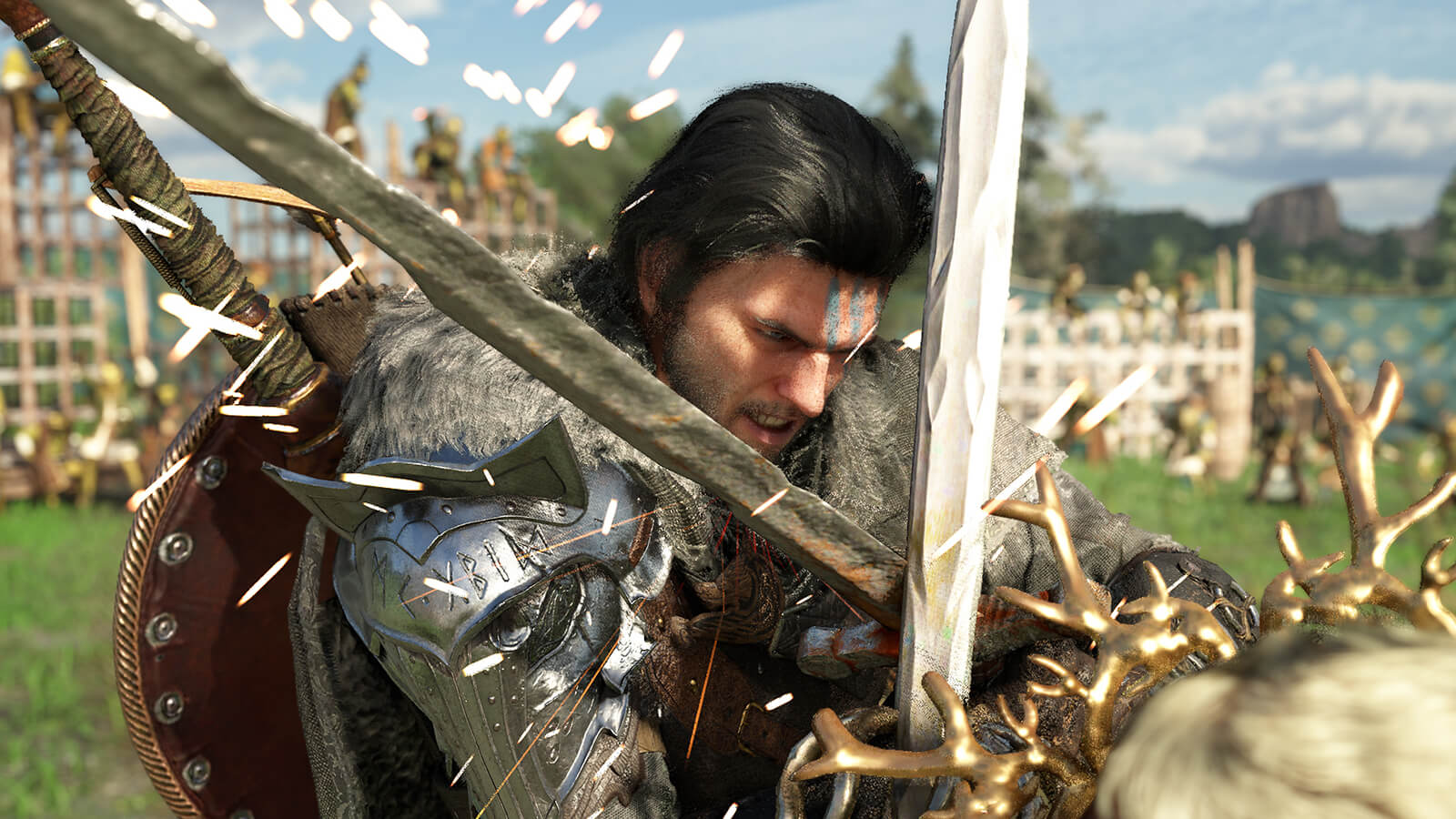
South Korean developer‑publisher Pearl Abyss witnessed a dramatic collapse in its share price this week after early critical reviews for its highly anticipated action‑adventure game Crimson Desert were published, sending ripples through both gaming and investor communities.
On March 19, as global reviews began appearing online, the company’s stock fell sharply — ultimately shedding almost 35% of its value in a single trading session.
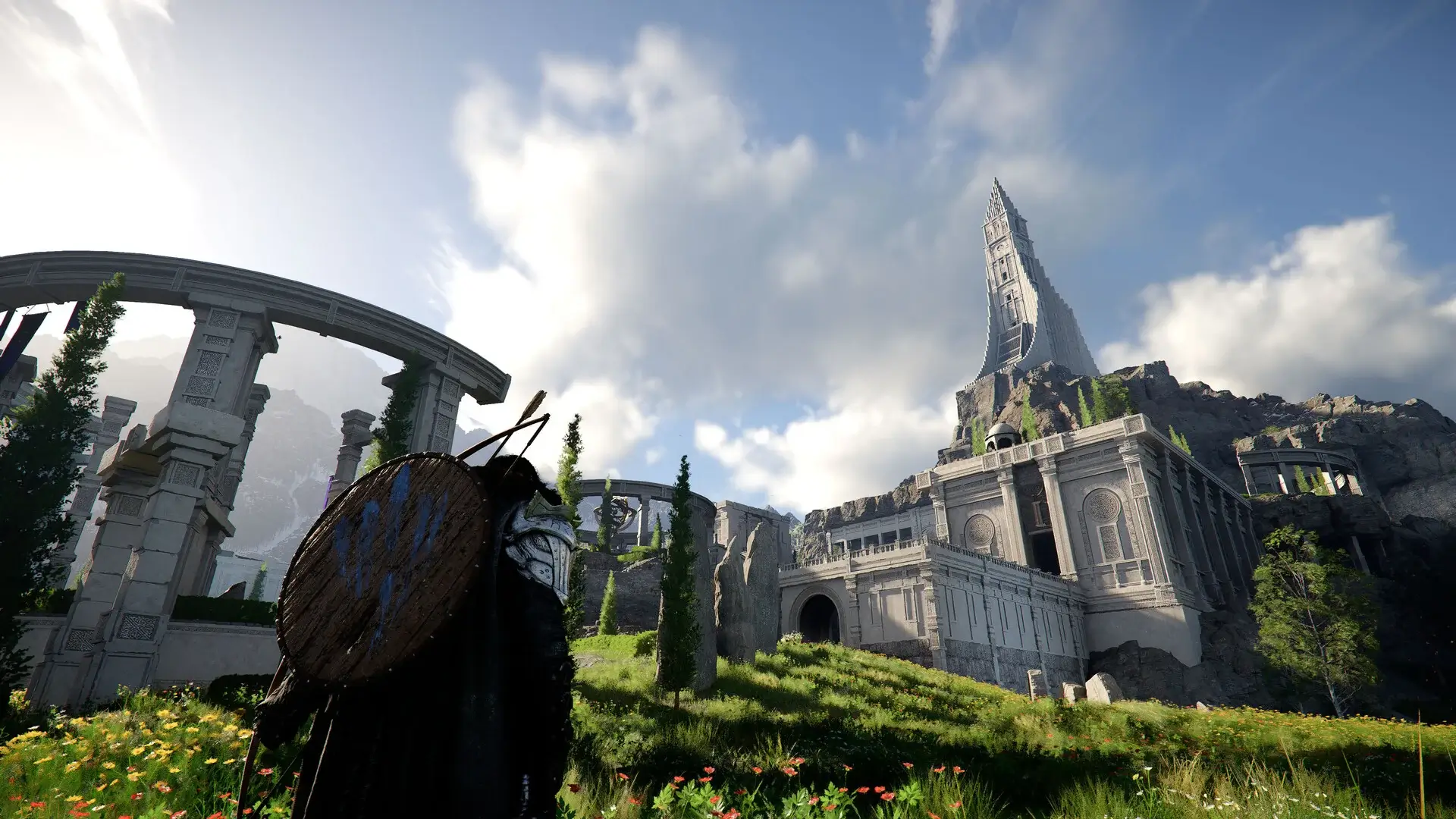
Crimson Desert, released March 19, 2026, marks Pearl Abyss’s first major foray into premium single‑player gaming following its global success with Black Desert Online. Built on the studio’s BlackSpace engine, the open‑world title was positioned as a showcase project — one that many analysts and gamers hoped would elevate the company into the top tier of AAA developers.
Despite strong visual impressions and scale noted in early previews, the aggregate score from global review site Metacritic landed at 78 out of 100, a figure widely considered “generally favourable” but significantly below the lofty expectations priced into the stock.
Many industry watchers had anticipated Crimson Desert scoring in the mid‑to‑high 80s or above, given the seven‑year development cycle and ample pre‑release marketing.
When the market reopened on March 19, Pearl Abyss shares dropped immediately to around ₩47,800 (roughly $31.90) — a roughly 27% fall from the previous session — before closing even lower at ₩46,000 ($30.70), bringing the loss to 29.8%. The shares dropped even more on March 20, falling down to ₩42,100 ($28.25), signalling a 35% decrease since the reviews dropped.
Investors reacted swiftly to review sentiment, illustrating how sensitive entertainment stocks have become to early critical response in the digital age. Notably, Crimson Desert’s score — while not objectively poor for a major release — failed to justify the premium reputation investors had factored into the company’s valuation.
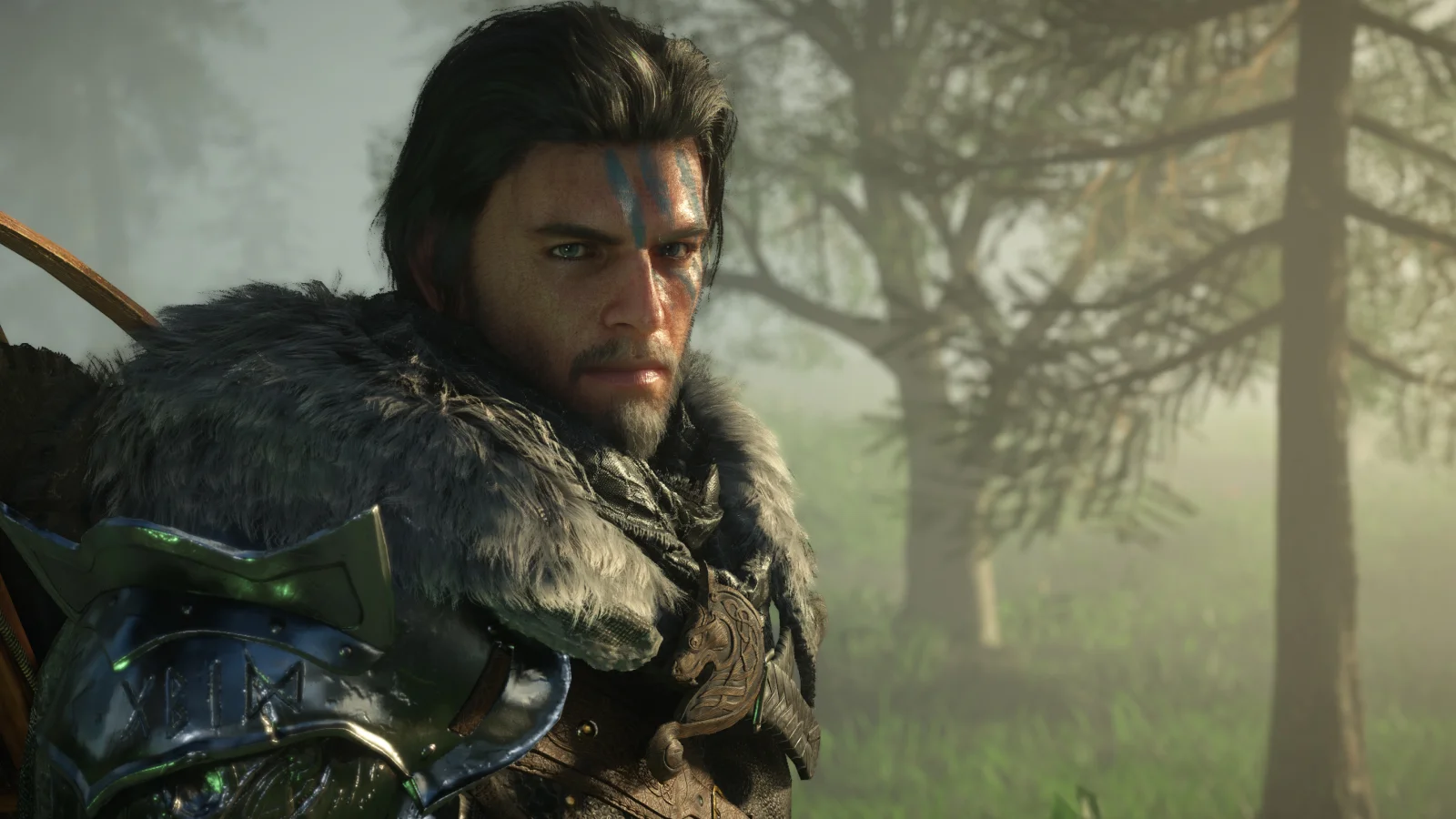
The share plunge highlights a broader trend where review scores for high‑budget games increasingly influence financial performance immediately upon launch. For a company like Pearl Abyss, whose stock had rallied in anticipation of Crimson Desert, the disconnect between expectations and reality has triggered a rapid re‑evaluation of growth prospects.
Analysts had previously noted that Pearl Abyss’s revenue mix was shifting, with steady contributions from Black Desert but heavy reliance on future releases to drive growth. The financial reports from earlier periods showed mixed results for the company’s operating income and earnings forecasts, flagging the importance of Crimson Desert as a potential turning point.
Some reviewers and commentators noted the game’s technical polish, open world, and combat depth, but criticized elements such as narrative cohesion, mission design, and interface controls — factors that may have contributed to more moderate scores. Market sentiment reacted not to outright panning, but the absence of the “game‑of‑the‑year”‑calibre reviews many had banked on.
For Pearl Abyss, the immediate priority will be stabilizing investor confidence and demonstrating that Crimson Desert can achieve commercial success despite mixed early reviews. Positive player reception, post‑launch patches, platform optimization, and strong sales figures could all help the stock recover in coming weeks or months.
Longer term, the incident underscores how critical early media response has become for game developers in public markets. Studios with big budgets and extended development cycles may face heightened scrutiny and volatility in stock performance if expected critical acclaim doesn’t materialize.
Ultimately, while a Metacritic score in the high‑70s is respectable, today’s trading markets have little patience for anything less than exceptional outcomes — a reality that investors and developers alike must now reckon with.
More News:
ARC Raiders Devs Prioritize Player Exploration Over Just Shooting
Trump Administration and Iran War Contribute to 33% Decline at GDC 2026
