


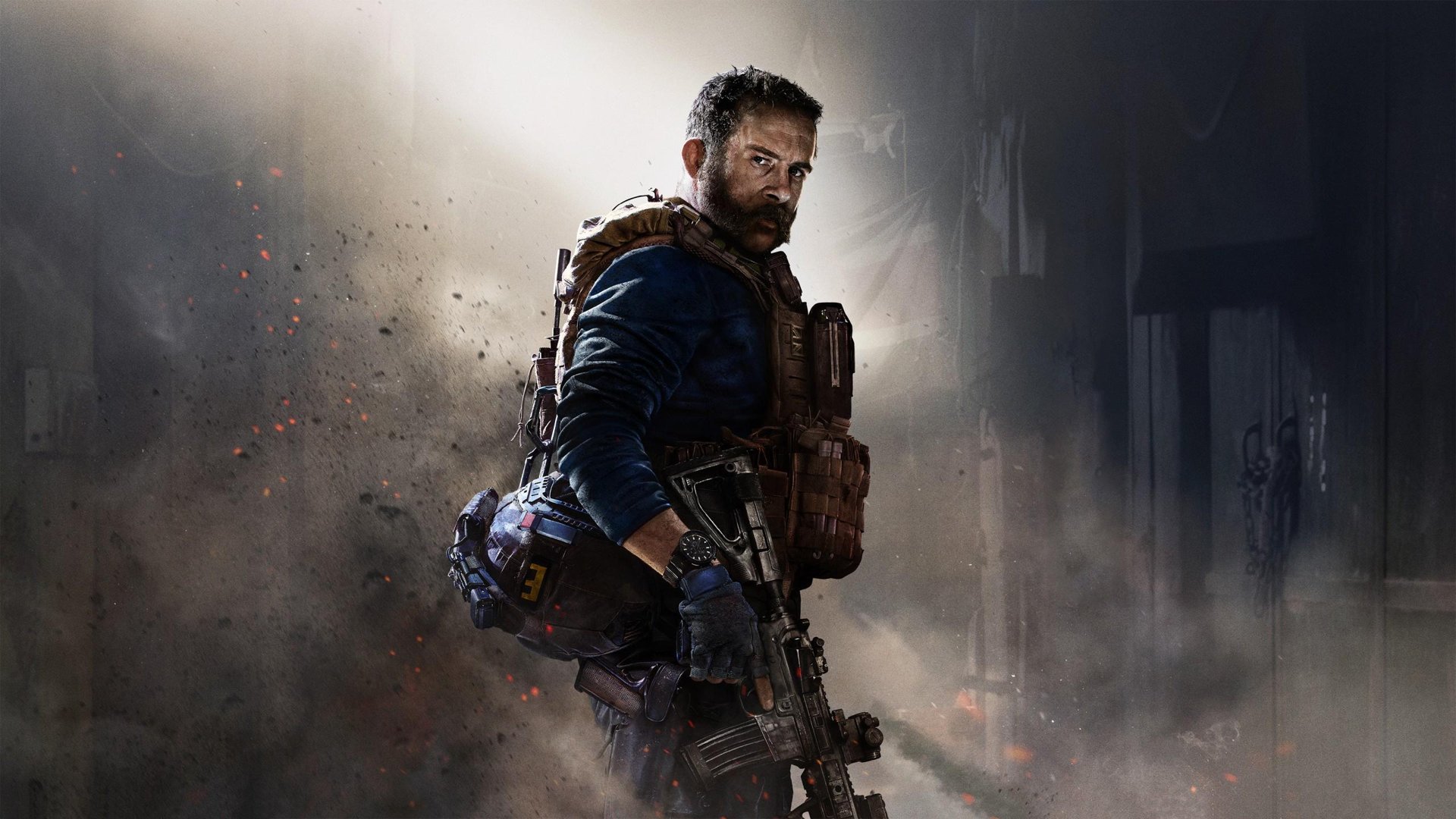
The director of the upcoming $35 billion Call of Duty film adaptation is facing a potential public relations crisis before a single scene has been shot. Peter Berg, recently announced as the director of the June 30, 2028, blockbuster, has been forced to confront resurfaced comments in which he labeled people who play war video games as “weak” and “pathetic.”
The controversy comes at a critical moment for the franchise. With over one billion lifetime players and more than 500 million copies sold, Call of Duty is a cultural juggernaut. On April 16, 2026, Paramount Pictures revealed Berg would direct the adaptation, with Yellowstone creator Taylor Sheridan writing the script.
However, a NeoGaf user quickly unearthed a December 2013 interview Berg gave to Esquire magazine that starkly contradicts the collaborative spirit needed to adapt a gaming icon.
In the resurfaced interview—conducted while Berg was promoting the war film Lone Survivor—the director did not mince words. When asked for his take on war video games, he replied,
“Pathetic. Pathetic. Keyboard courage. Can’t stand it.”
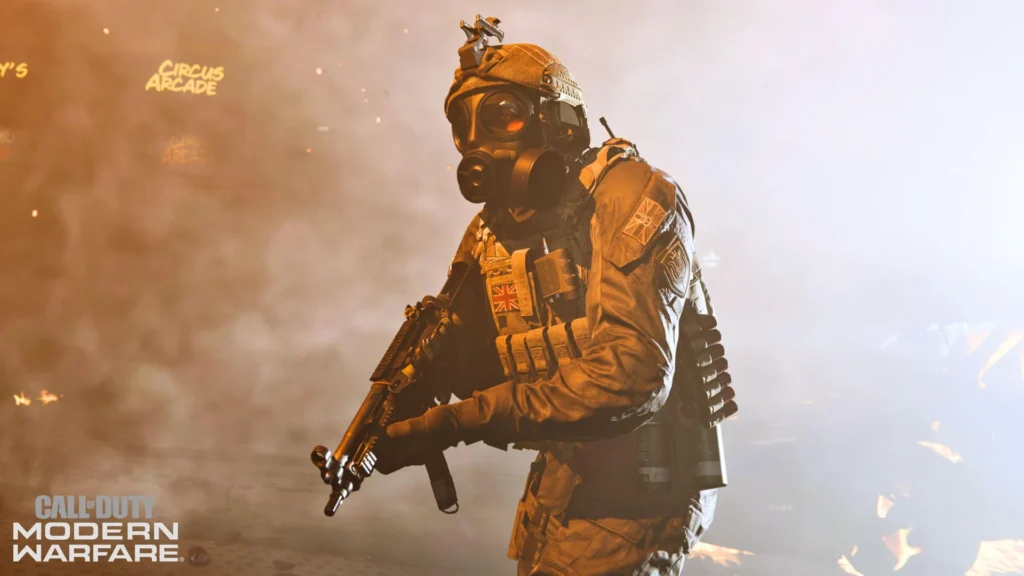
Berg clarified that he only gave military personnel a “get-out-of-jail-free card” to play Call of Duty. Regarding civilians who play for extended periods, he stated definitively: “I think anyone that sits around playing video games for four hours… It’s weak. Get out, do something.”
These remarks present a unique professional contradiction for the production. While Activision and Paramount have promised the film is “designed to thrill its massive global fan base,” the director’s past dismissal of that very audience as lazy raises questions about his ability to honor the source material.
Unlike traditional novels or comics, video game adaptations rely heavily on the goodwill of a highly engaged and vocal fanbase. Berg’s characterization of gaming as merely “keyboard courage” suggests a fundamental misunderstanding of the interactive medium that has generated $35 billion in revenue since the franchise’s debut.
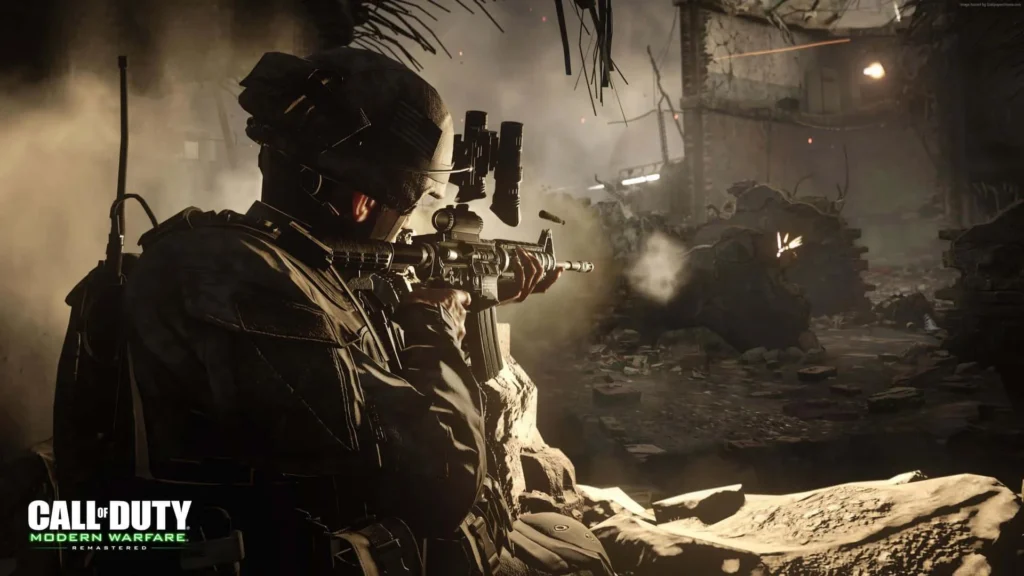
Industry analysts suggest that Berg’s background, which includes directing the Navy SEAL drama Lone Survivor and the live-action trailers for Call of Duty: Infinite Warfare, likely pitched him as a candidate for authenticity rather than fan service.
However, the backlash serves as a warning for Hollywood: as studios continue to mine gaming intellectual property for box office gold, they must ensure their creative leads respect the culture they are borrowing from. There is a distinct risk that the film could be perceived not as a tribute to the game, but as a traditional military thriller that views its source material as juvenile.
As of late April 2026, neither Berg nor Paramount has officially responded to the backlash regarding the 13-year-old comments. While the release date is still two years away—allowing time for the news cycle to shift—Berg’s first task may now be convincing the core gaming community that his views have evolved. If he cannot, the Call of Duty movie may face an uphill battle for the box office support of the very players who made the franchise a legend.
More News:
Alien: Isolation Sequel Teaser Trailer Reveals First Look at the Game
2K Games Implements Controversial New Verification System for PC Titles
