


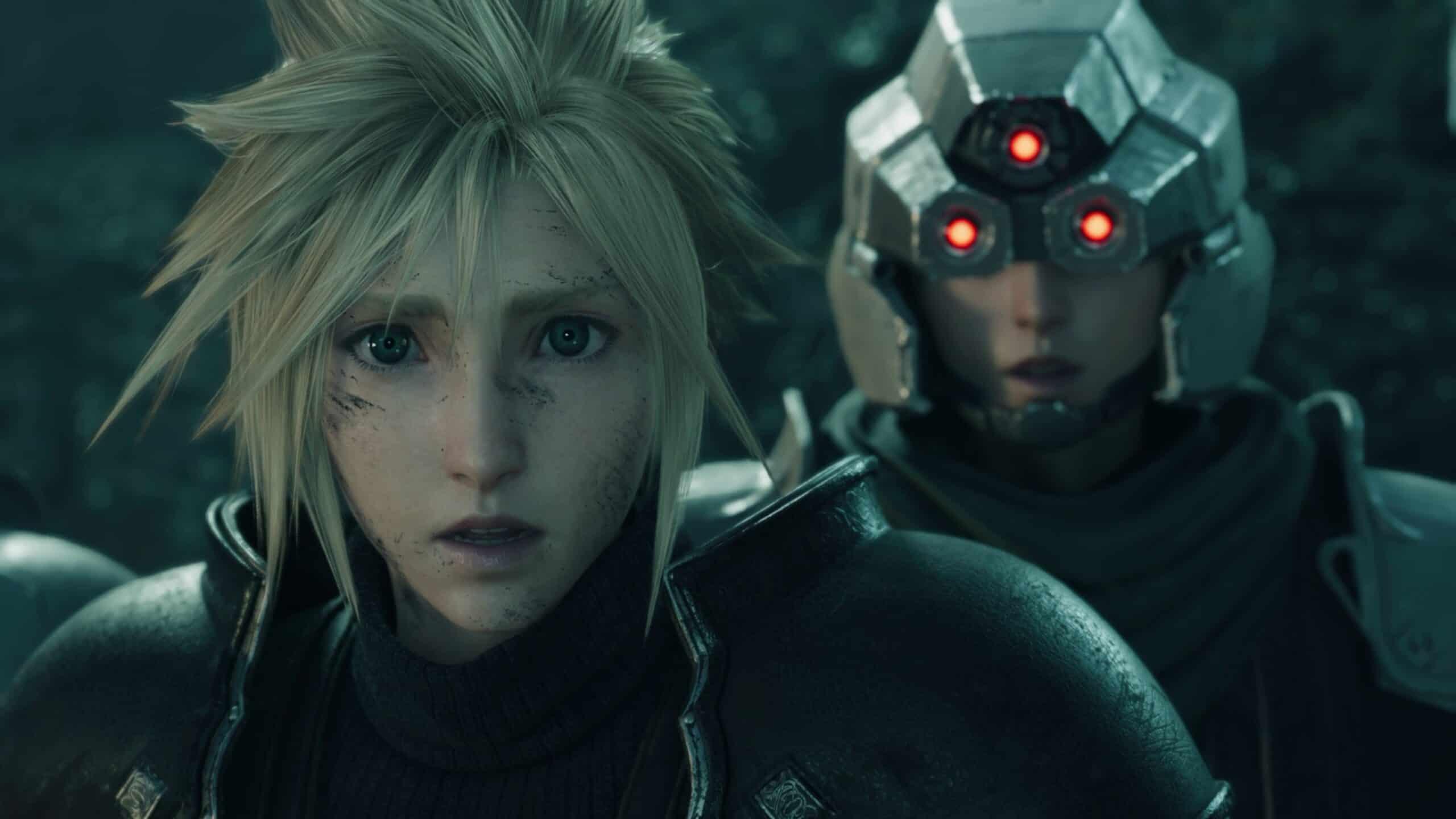
The massive technical hurdle of compressing a sprawling open world onto hybrid hardware nearly derailed the project, but a year of specialized optimization saved the day.
When Square Enix announced Final Fantasy VII Rebirth for Nintendo Switch 2, many analysts questioned whether the hardware could handle the sequel’s vast environments. Now, Game Director Naoki Hamaguchi has confirmed that the shift to an “open world” structure created a development hurdle significantly larger than the one posed by its predecessor, Remake.
As reported by NintendoLife, Hamaguchi stated that the sheer scale of Rebirth was the central obstacle. Unlike the linear corridors of Midgar in the first game, Rebirth features massive, processor-heavy zones. “Rebirth is more open, with a much larger scale of locations and heavy CPU load,” Hamaguchi explained in a recent interview.
“Honestly, I had concerns. We very carefully studied whether we could truly make the game work on the Switch 2, which assumes a portable mode.”
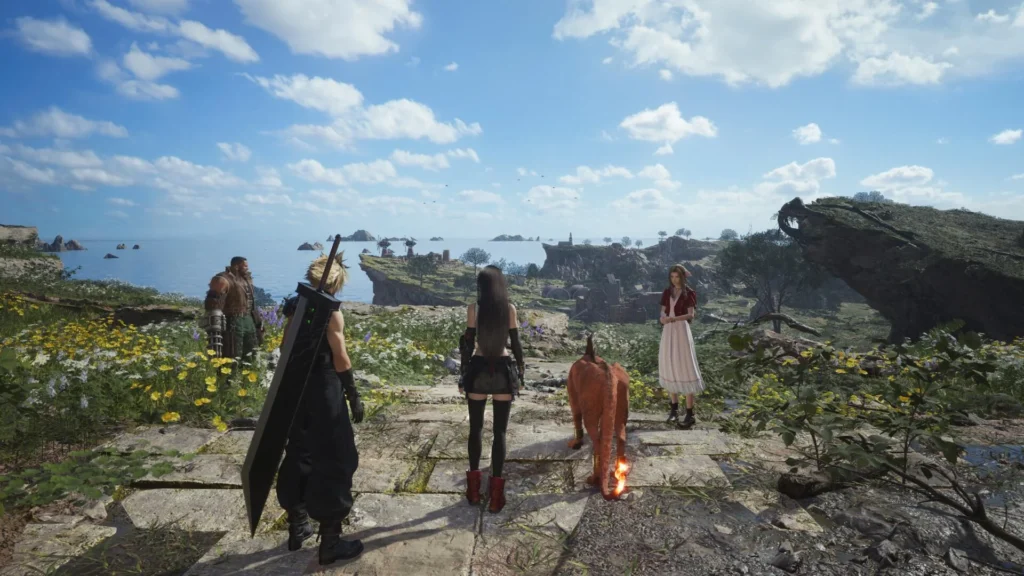
The team admitted that no single “miracle” solved the performance issues. Instead, the solution required a ground-up reconstruction of how the world renders. The development team reorganized the rendering order of the environment and implemented aggressive culling—a technique that suppresses geometry rendering outside the player’s direct line of sight.
This process was so intensive that the team treated frame rate drops as critical bugs. “Our goal of consistently aiming for 30fps wherever possible is about ensuring a stable feel during exploration and combat,” Hamaguchi said. “In QA testing, if the frame rate falls below 30fps for a sustained period, it is treated as a bug.”
The results of this engineering are mixed but impressive given the hardware. Early previews and a live demo confirm that the game maintains a stable 30 frames per second in handheld mode. However, the visual sacrifices are stark.
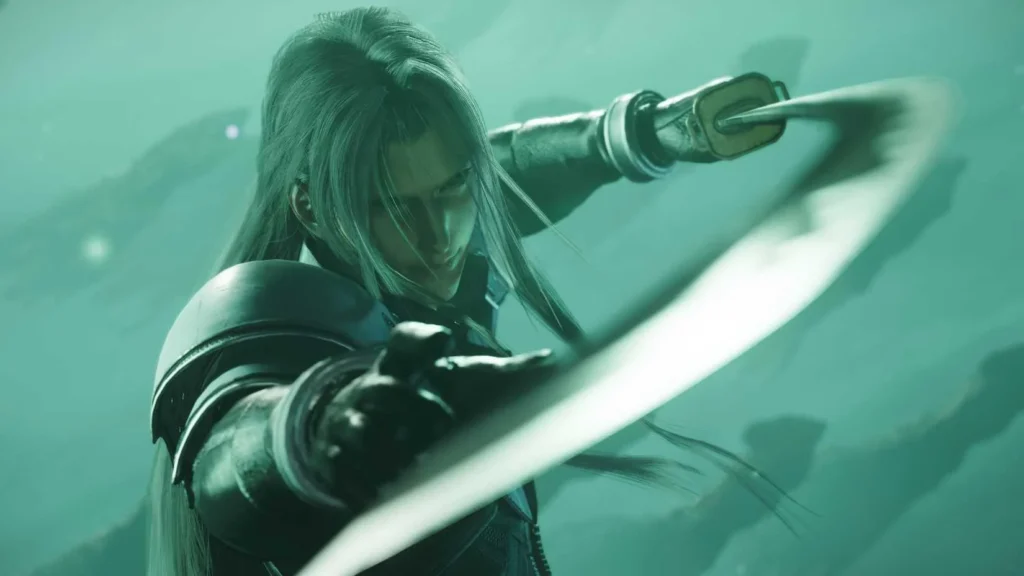
Side-by-side comparisons with the PlayStation 5 version reveal significant downgrades. To save processing power, Square Enix removed a substantial amount of interior decoration and background objects, leading some testers to describe rooms as looking “minimalist.” Furthermore, the port requires a massive 102GB of storage, consuming nearly 75% of the Switch 2’s internal 256GB drive.
Despite the cutbacks, early reception is positive regarding stability. Digital Foundry’s analysis suggests the Switch 2 version actually looks “a fair bit better” than the Steam Deck iteration, primarily due to superior DLSS upscaling.
For consumers, the port sets a critical precedent for future AAA titles. As Hamaguchi noted, the lessons learned on Rebirth have given the team “strong confidence” in their ability to optimize the trilogy’s grand finale for the Switch 2. Final Fantasy VII Rebirth launches on Nintendo Switch 2 on June 3, 2026.
More News:
Capcom Considering Pragmata Sequel: “Another IP We Can Continue to Go Down,” Says Executive
PS5 Linux Mod Turns the Console Into a Functional Gaming PC
Forza Horizon 6 Reveals Multiplayer Modes, Adds Spec Racing and Touge Showdown
