


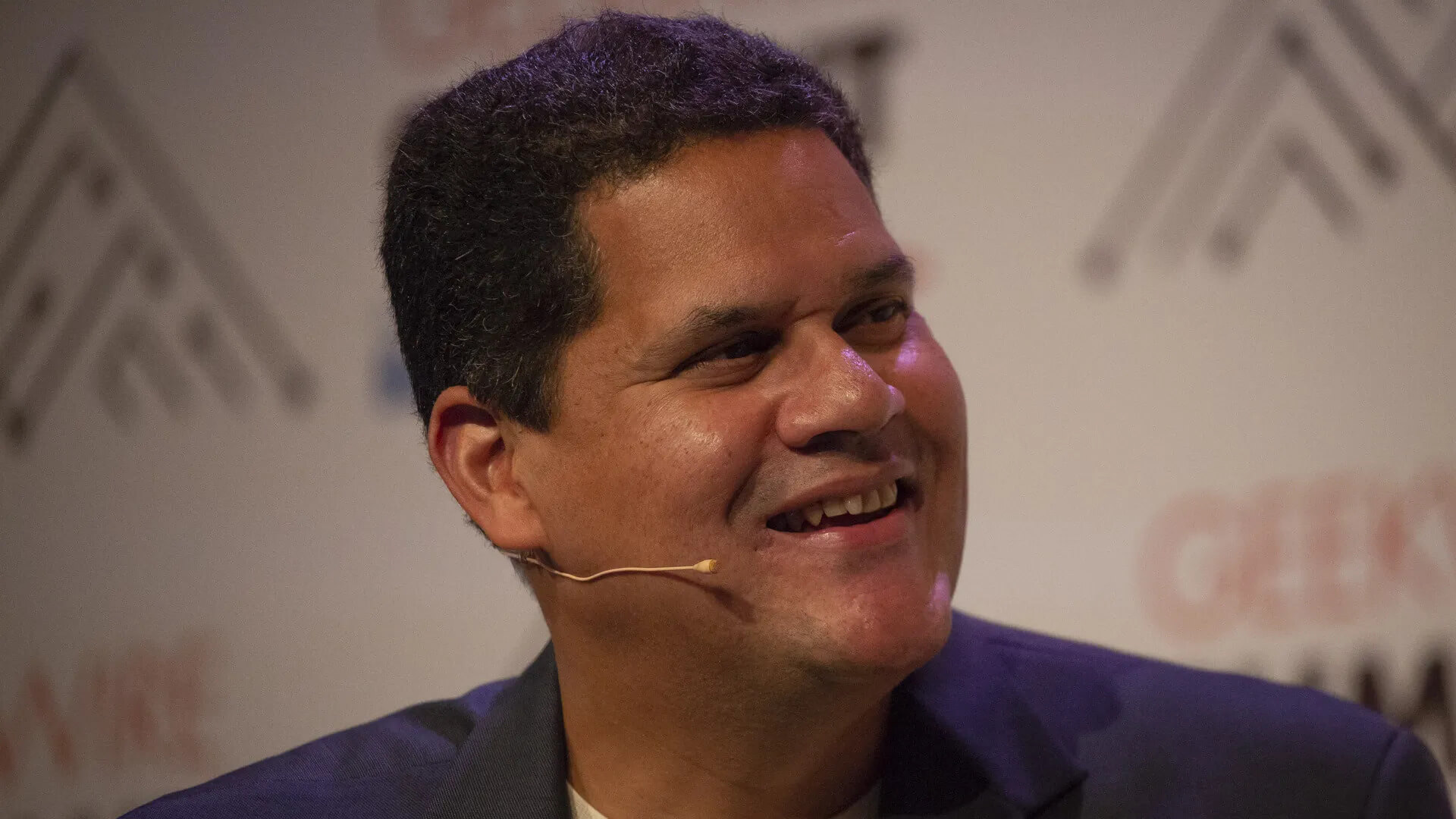
As the video game industry reels from a multi-year bloodbath that has seen over 44,000 developers lose their jobs since 2022, a former top executive has revealed the deliberate philosophy that kept one of gaming’s giants from swinging the axe.
Reggie Fils-Aimé, the iconic former President of Nintendo of America, stated definitively that the company resisted mass layoffs because such actions simply were not in “Nintendo’s DNA.”
Speaking during a keynote address at New York University, Fils-Aimé pulled back the curtain on the company’s human resources strategy during his tenure, offering a blueprint that flies in the face of current industry trends. “We thought about people from the standpoint that we never wanted to go through layoffs or mass eliminations of people,” Fils-Aimé told the audience. “It just wasn’t in our DNA.”
The comments come during a period of historic paradox for the gaming sector. According to the State of Video Gaming 2026 report from Epyllion, the industry generated a record $195.6 billion in content revenue in 2025. Yet, despite the record profits, the human cost has been staggering.
The Game Developers Conference’s 2026 report found that 28% of global developers have lost their jobs in the last two years, with that number rising to 33% in the United States. Furthermore, a recent Skillsearch survey found that 55% of those laid off have yet to find new work.
Fils-Aimé revealed that the key to avoiding the “hire and fire” cycle was a specific financial discipline: avoiding massive hiring sprees during boom times. While many publicly traded companies ramp up headcount aggressively during success only to slash wages during a downturn to appease shareholders, Nintendo opted for a flat line.
This strategy was forged through experience. Fils-Aimé recounted the struggles of the Wii U era—a console he admitted the leadership was “convinced” would be a success but turned into a commercial disappointment.
Even as the company bled momentum, it did not resort to mass termination of its core workforce. Fiscal restraint during the wild success of the Wii and DS eras provided a cushion that allowed the company to weather the storm without putting employees on the street.
The former executive even offered a warning to students currently entering the workforce, suggesting that a history of mass layoffs is a “major red flag” when evaluating potential employers.
While Fils-Aimé’s praise for the core business model holds weight, a senior investigation requires a note of nuance. Nintendo’s resistance to layoffs applies primarily to its full-time, permanent staff—a group that enjoys a retention rate of nearly 98%. However, the company has shown a willingness to restructure its periphery.
Recent reports indicate that as Nintendo pivots toward the launch of the Switch 2, it has reorganized its product testing and customer support divisions. In the run-up to the new hardware, it was reported that approximately 120 contractor positions were cut in the testing department, and hundreds of contract customer support roles were shifted to external firms in Latin America.
While these are not “mass layoffs” of salaried employees, they do highlight the industry’s broader shift toward a flexible, contract-based workforce.
As the industry enters what analysts call a “structural correction”—where private investment has dropped 55% and job seekers in North America face an 11-to-1 competition ratio—Nintendo remains an anomaly. Reggie Fils-Aimé’s address serves as a time capsule for a forgotten corporate virtue: patience.
While competitors like Microsoft (which cut 9,000 staff in 2024) and Epic Games (1,000 staff in 2026) scramble to correct post-pandemic over-hiring, Nintendo’s lack of a “massive” headcount to begin with has rendered mass layoffs unnecessary. As Fils-Aimé implied, for an industry burning through talent to save quarterly margins, the answer might not be smarter firing—but smarter, slower hiring.
More News:
Final Fantasy VII Switch 2 Port’s Open-World Scale Was ‘Greatest Challenge,’ Says Director
Capcom Considering Pragmata Sequel: “Another IP We Can Continue to Go Down,” Says Executive
