


Unity has officially released its “Unity AI” tool into beta, offering a suite of generative features that allow developers to build game environments, control mechanics, and generate assets using simple text prompts. The announcement, accompanied by a new trailer posted on X (formerly Twitter), signals the engine giant’s aggressive push to embed large language models directly into the core development workflow.
For years, the barrier to game development has been technical expertise—specifically coding and asset creation. Unity’s latest release aims to lower that barrier. The tool, currently in beta, integrates an AI assistant and “Generators” directly into the Editor.
According to the official documentation, this allows developers to create sprites, textures, and even animations through text references. The promotional trailer demonstrated this by building a functional “demolition derby” game within seconds, including scripting vehicle controls and weapon mechanics using natural language commands.
The release of the Unity AI beta is not happening in a vacuum; it is a direct response to data showing a radical shift in how studios operate. Industry data reveals that the median development time for Unity projects has dropped by 77% since 2022, falling from 91 hours to just 21 hours. Studios are moving toward smaller, faster projects, with 52% of developers focusing on more manageable releases rather than multi-year epics.
Unity is betting that AI is the catalyst for this efficiency. The company’s 2026 game development report indicates that adoption is already widespread: 62% of developers are currently using AI for coding assistance, while 44% use it for narrative design. Developers cite efficiency (73%) and better decision-making (62%) as the primary benefits.
However, the beta raises critical questions about data privacy and quality. Unity has confirmed that by default, user data is not used to train its AI models, though developers can opt-in via the Dashboard. Furthermore, the tool relies on a “bring your own model” architecture, integrating with providers like OpenAI and Meta to execute tasks, raising questions about latency and cost at scale.
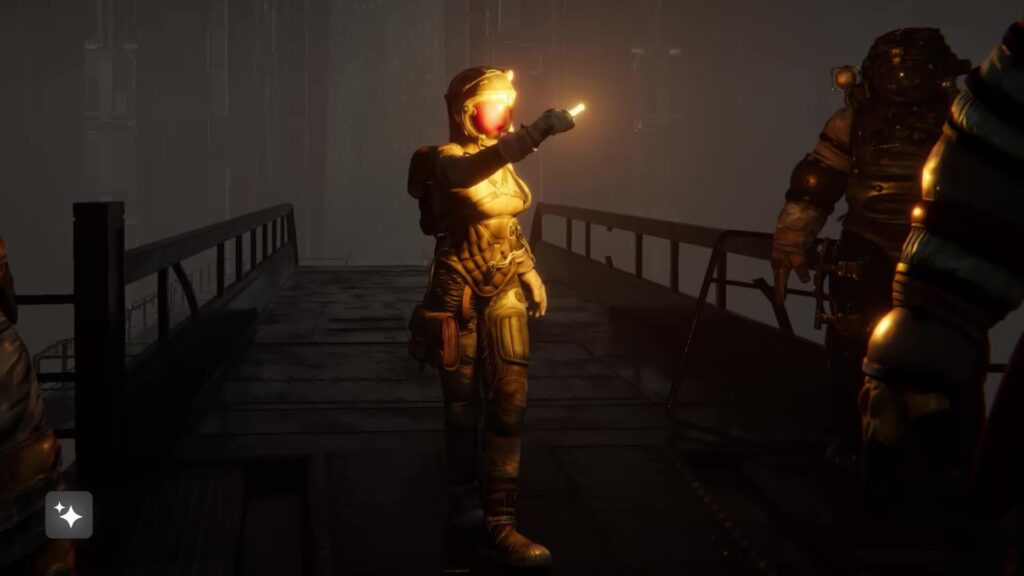
As Unity AI moves through its beta phase, the immediate future points toward a hybrid workflow where human creativity acts as a director rather than a laborer. While the trailer promises a future where “anyone can make a game,” the professional reality is more nuanced.
The likely outcome is an acceleration of the “smaller and faster” trend, where prototyping costs drop to near zero, forcing the industry to compete almost exclusively on originality and game feel rather than technical implementation. For now, the tool is live for testers, with a full rollout expected following the Game Developers Conference (GDC).
More News:
Hollow Knight: Silksong Sea of Sorrow DLC: Team Cherry Breaks Silence With May 2026 Tease
Quake 4’s Long Lost DLC ‘The Awakening’ Footage Leaked Online
“It Just Wasn’t in Nintendo’s DNA”: Reggie Fils-Aimé on Avoiding the Industry’s Layoff Crisis
