


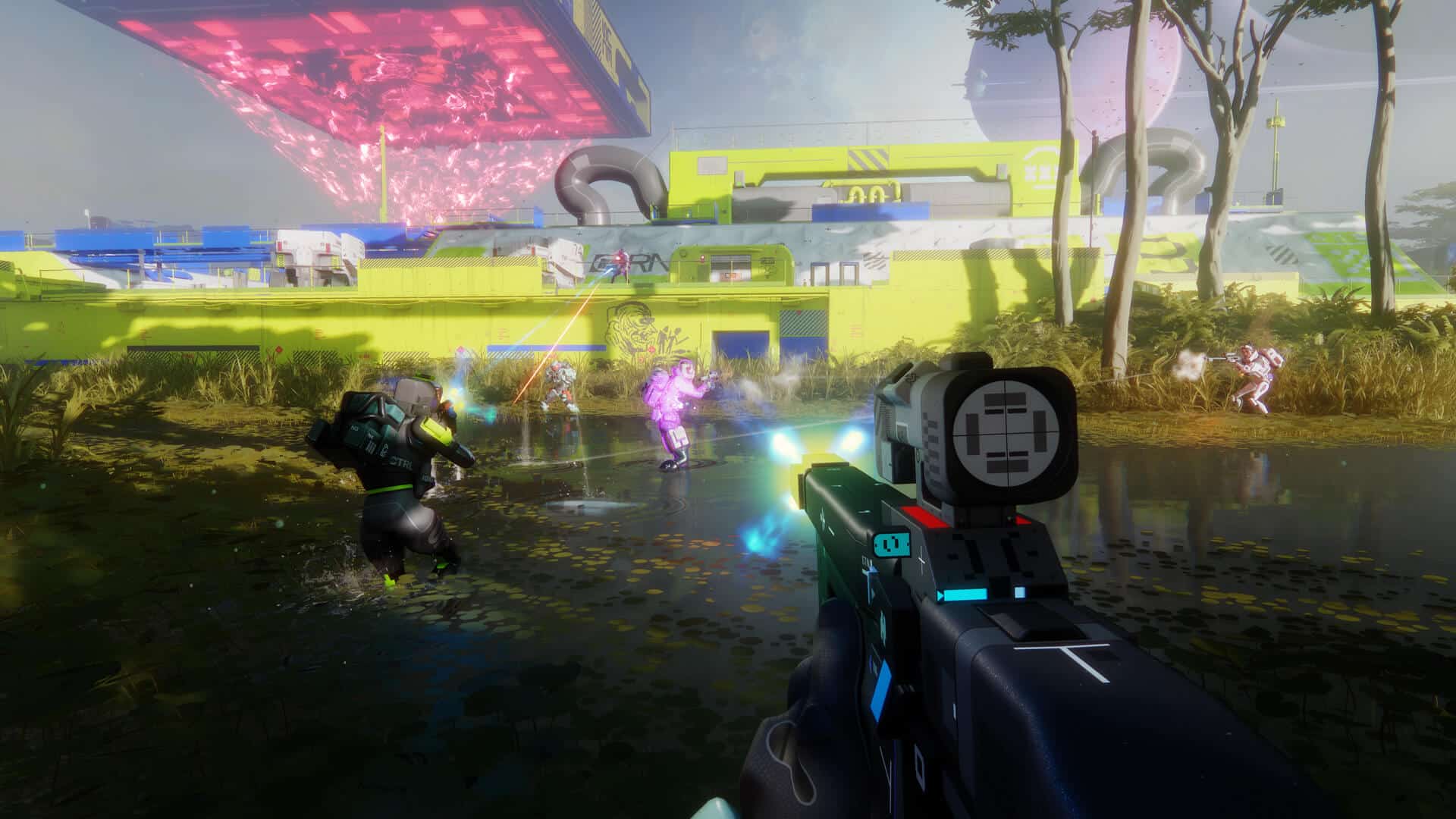
A quiet policy decision inside a major multiplayer game has ignited an unusually heated debate about sanctions, fairness, and the global reach of modern online services. The controversy centers on a Russian player who says he was permanently banned from Marathon after managing to access the game despite regional restrictions linked to international sanctions.
When the player appealed the ban, developer Bungie refused to reverse it—triggering backlash from parts of the gaming community who argue that geopolitical enforcement is bleeding into everyday entertainment.
The dispute highlights the increasingly complex intersection between international politics and online gaming infrastructure. Multiplayer titles today operate as global services governed not only by developers but also by legal compliance regimes, financial regulations, and anti-cheat systems that leave little room for exceptions.

The roots of the issue stretch back several years. Following the 2022 invasion of Ukraine, many Western companies—including major technology and entertainment firms—halted or restricted business operations in Russia and Belarus. Bungie, a U.S.-based developer best known for Destiny 2, moved to comply with those pressures by suspending certain sales and services in affected regions.
The company stated that its services cannot operate “where access is restricted by law,” a reference widely interpreted as compliance with U.S. sanctions programs that limit business transactions with sanctioned territories.
As Bungie prepared to launch Marathon, its upcoming PvPvE extraction shooter, the studio also introduced one of the strictest enforcement frameworks in the industry. In February 2026, Bungie publicly declared that anyone caught cheating in the game would be “permanently banned from playing Marathon forever, no second chances.”
The Russian player at the center of the controversy reportedly bypassed regional access barriers—likely through network routing methods such as VPN services—and successfully entered the game. However, the workaround appears to have triggered automated security systems. When Bungie reviewed the account activity, the player received a permanent ban and later had his appeal denied.
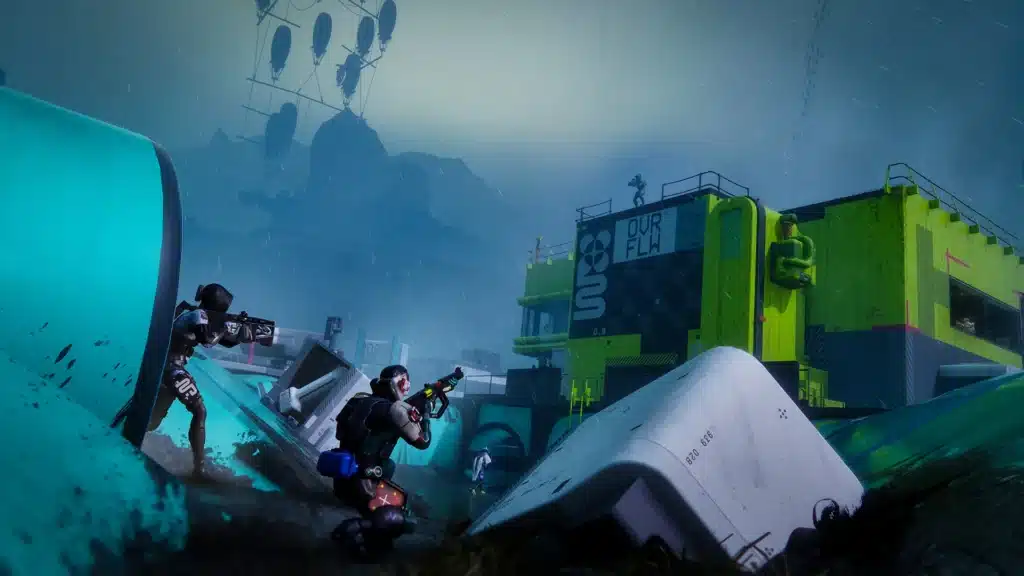
The developer has not publicly commented on the specific case, but the mechanics behind the decision are not difficult to infer. Modern online shooters rely heavily on automated detection systems designed to flag suspicious activity ranging from cheating software to unusual network patterns. Bungie’s infrastructure for Marathon uses dedicated servers that track gameplay actions in real time, ensuring that “each bullet” and player action is validated by the server to maintain competitive integrity.
From a technical standpoint, circumventing regional restrictions may appear similar to other forms of network manipulation—something anti-cheat systems are designed to detect. From a legal standpoint, allowing players in sanctioned regions to access paid services could expose the company to regulatory risk. That leaves developers with little incentive to make case-by-case exceptions, even when individual players claim they are not responsible for their country’s political decisions.
For many players, however, the optics are troubling. Critics argue that sanctions imposed on governments are increasingly affecting ordinary consumers whose only intention is to play online games. The controversy echoes earlier complaints from Russian and CIS players who reported access issues in Bungie titles and other multiplayer games after sanctions-related restrictions expanded.

The broader implication is that global live-service games are becoming entangled in geopolitical realities that did not exist when the industry first embraced worldwide online play. Companies must now balance regulatory compliance, anti-cheat enforcement, and community expectations across dozens of jurisdictions.
Looking forward, incidents like this may become more common. As online games evolve into persistent global platforms, developers will face mounting pressure to navigate political sanctions, regional internet infrastructure, and automated moderation systems. For players caught in the middle, the message is increasingly clear: in the era of geopolitics-driven digital services, even a simple attempt to log into a game can carry consequences far beyond the virtual battlefield.
More News:
XeniOS: Xbox 360 Games on Apple Devices for the First Time
Nintendo Takes on U.S. Government in Tariff Refund Lawsuit
The Bloodborne Remake Was Reportedly Pitched By Bluepoint, But Rejected By FromSoftware
