


Microsoft’s upcoming “Project Helix” console could represent the final critical opportunity for Xbox to remain a viable player in the dedicated hardware market, according to industry analyst Dr. Serkan Toto, CEO of consulting firm Kantan Games.
As reported by Gamespot, Toto warns that failure with this new system could lead to Microsoft permanently exiting the console hardware space — a dramatic shift for a brand that’s been a cornerstone of gaming for more than two decades.
Project Helix is being positioned not just as the next generation of Xbox consoles, but as a hybrid platform capable of running both traditional console titles and PC games, a first for Microsoft’s gaming division. Xbox Gaming CEO Asha Sharma confirmed on social media that the upcoming system will “lead in performance” and support Xbox and PC games alike, signaling a broad rethinking of what “Xbox” hardware means in a market increasingly dominated by multiplatform play.

At the heart of Toto’s concern is the performance of Xbox hardware in recent years. The current generation — the Xbox Series X and Series S — has lagged significantly behind Sony’s PlayStation 5 in sales, leaving Microsoft with limited leverage in the traditional console wars.
While sales figures have never been fully disclosed by Microsoft, estimates throughout the last console cycle pointed to a notable gap between Xbox and PlayStation installs.
Unlike prior generations where hardware exclusivity and box sales were primary drivers of success, Microsoft has spent recent years pivoting toward Game Pass subscriptions and the Xbox ecosystem across multiple devices. That strategy, while profitable in recurring revenue terms, may have diluted the distinct appeal of buying an Xbox console, industry observers say — making Project Helix’s success more essential than ever.
“This might be Microsoft’s last attempt to make their hardware business work. There is nobody in this industry who believes there will be another Xbox if this next machine fails.” – Serkan Toto
Toto’s remarks underscore the high stakes involved. If Project Helix doesn’t resonate with consumers — especially in comparison to rivals such as Sony’s upcoming PlayStation 6 and Valve’s Steam Machine PC-console hybrid — Microsoft could choose to retreat entirely from hardware production and focus instead on software, cloud gaming, and subscription services.
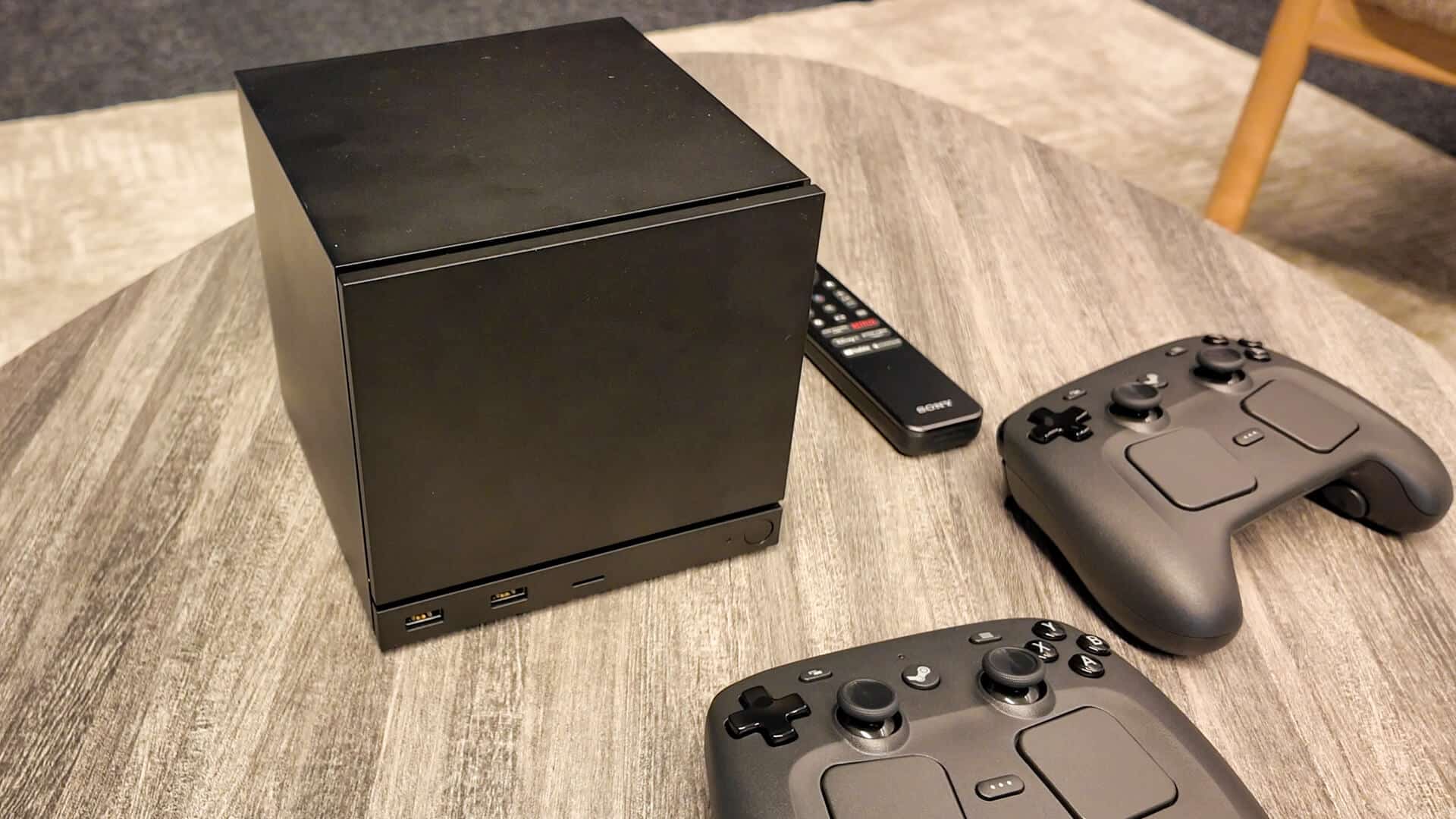
Another major factor is competition. Valve’s forthcoming Steam Machine is expected to blur the line between consoles and PCs even further, potentially offering a living room gaming platform that appeals to both traditional console players and PC enthusiasts. Toto says Microsoft must give gamers a compelling reason to choose Helix over alternatives like Steam Machine, especially as titles continue to launch across platforms.
Cost is another looming challenge. Analysts, including Toto, suggest Project Helix could carry a premium price — possibly around $900 or more at launch, reflecting hardware costs and performance ambitions that exceed those of past generations. Such a price point could make the system less accessible to mainstream buyers, adding additional pressure on Microsoft to justify its value proposition.
Microsoft plans to share more about Project Helix at the Game Developers Conference (GDC) in mid-March, where executives, including Xbox’s Jason Ronald, are expected to unveil further details on hardware specs, game support, and strategic intent. Industry watchers will be listening closely for insights that could determine whether Xbox has a future as a hardware manufacturer or if it will pivot fully to software and services.
For now, Microsoft’s console legacy — from the original Xbox in 2001 through multiple generations of hardware — hangs in the balance. Project Helix may not just be a new box on the shelf; it could define whether Xbox remains part of the living room for years to come.
More News:
Russian Player Banned From Marathon After Bypassing Sanctions, Bungie Rejects Appeal
