


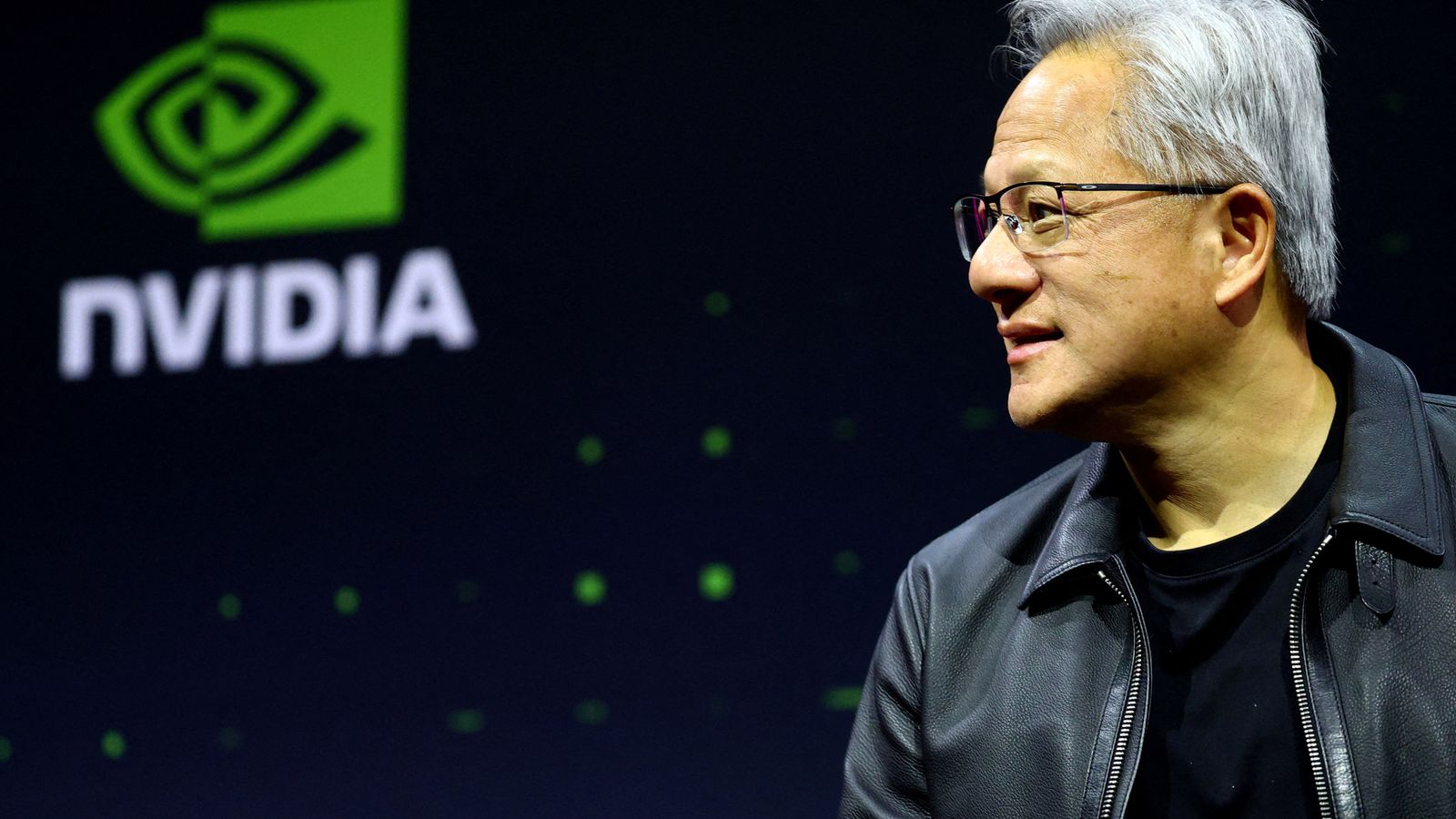
NVIDIA CEO Jensen Huang has directly dismissed backlash to the company’s latest graphics technology, saying critics of DLSS 5 are “completely wrong” in their understanding of how it works and what it means for gaming.
The remark comes as DLSS 5 faces widespread criticism following its reveal at GTC 2026. Unlike earlier versions, DLSS 5 introduces generative AI directly into the rendering pipeline, allowing the system not just to upscale images but to actively create visual detail in real time—an evolution that has sparked both excitement and concern across the gaming industry.
In a press Q&A with Tom’s Hardware, Huang defended the technology by arguing that critics misunderstand its core design. He stated that DLSS 5 “fuses controllability of geometry and textures… with generative AI,” while still allowing developers to “fine-tune” outputs to match their artistic vision. This point is central to NVIDIA’s position: the company insists that AI is not replacing artists but augmenting their capabilities.
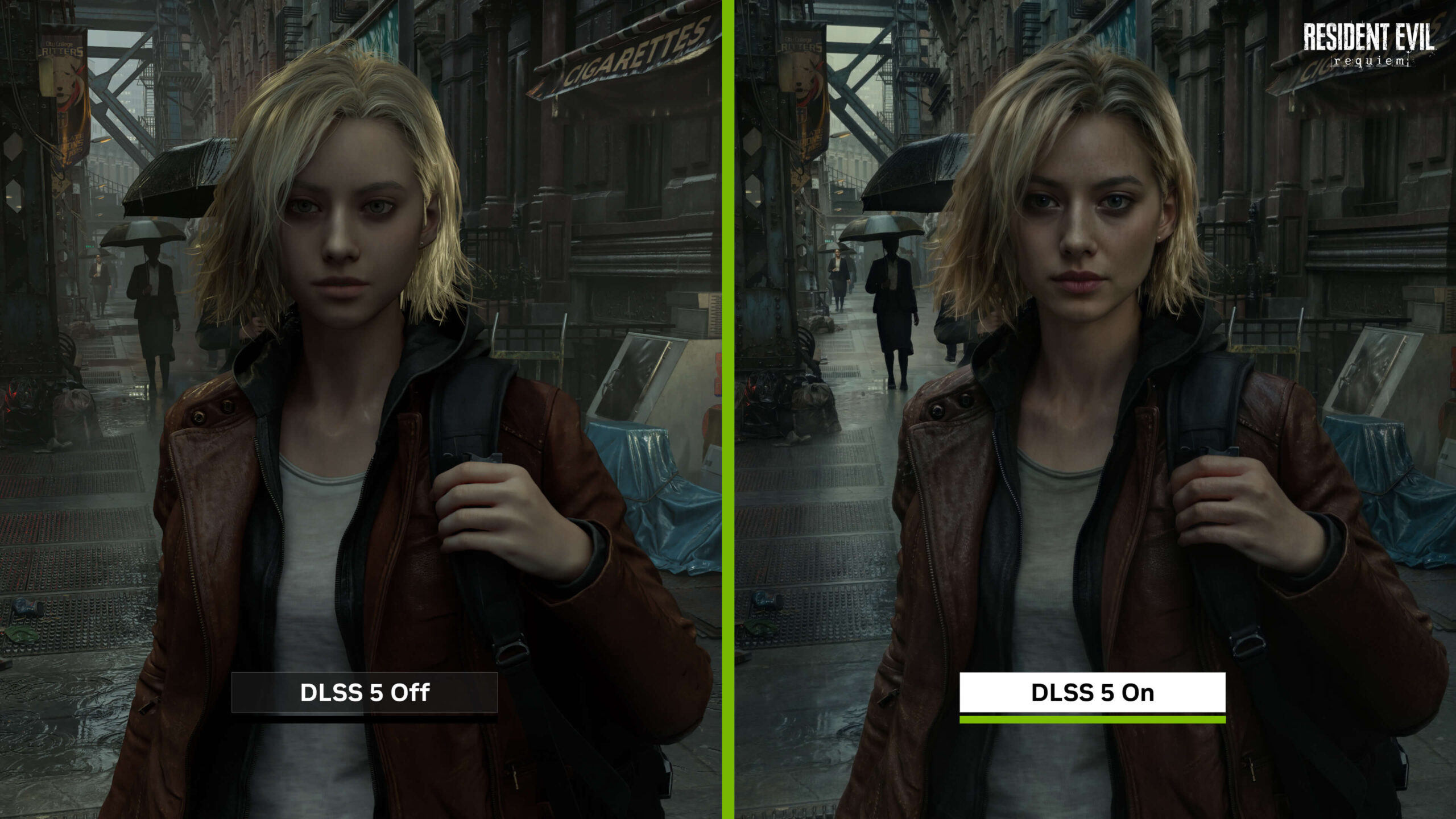
The backlash, however, reflects a deeper concern among players and developers. Early demonstrations showed noticeable changes to character faces and environments, leading some critics to describe the technology as a “Garbage AI filter” that overrides original art styles.
In some cases, characters appeared to have altered facial features or lighting that did not match the developer’s original design, raising fears that AI-generated visuals could undermine creative intent.
At the same time, industry reactions are far from uniform. Some developers have publicly supported the technology, emphasizing that DLSS 5 remains optional and under artistic control. Bethesda, for example, stated that any implementation would be “totally optional” and adjustable by developers, a move widely seen as an attempt to reassure concerned players.
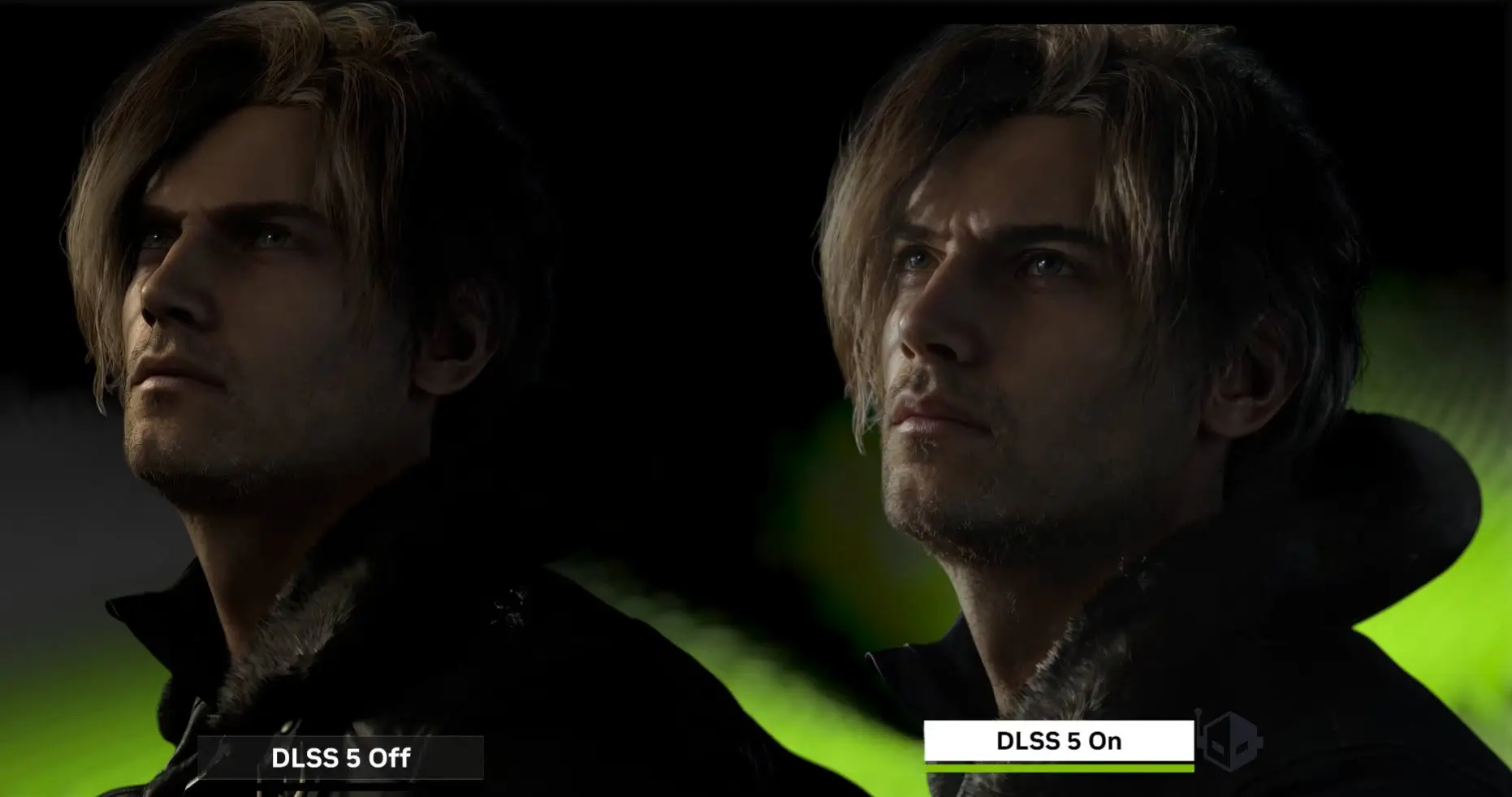
Technically, DLSS 5 represents a major shift. Traditional rendering relies on GPUs calculating every pixel, but DLSS 5 uses neural networks to predict and generate visual details such as lighting, textures, and materials within each frame. NVIDIA has framed this as a necessary evolution, with Huang previously describing AI-driven graphics as the future of “neural rendering.”
Early hands-on impressions from analysts suggest the technology is indeed transformative. Digital Foundry described it as one of the most “astonishing” advances in real-time graphics, with some demos approaching near-photorealistic quality.
However, these same demonstrations also highlighted inconsistencies, particularly in character rendering, reinforcing concerns about visual accuracy and artistic fidelity.
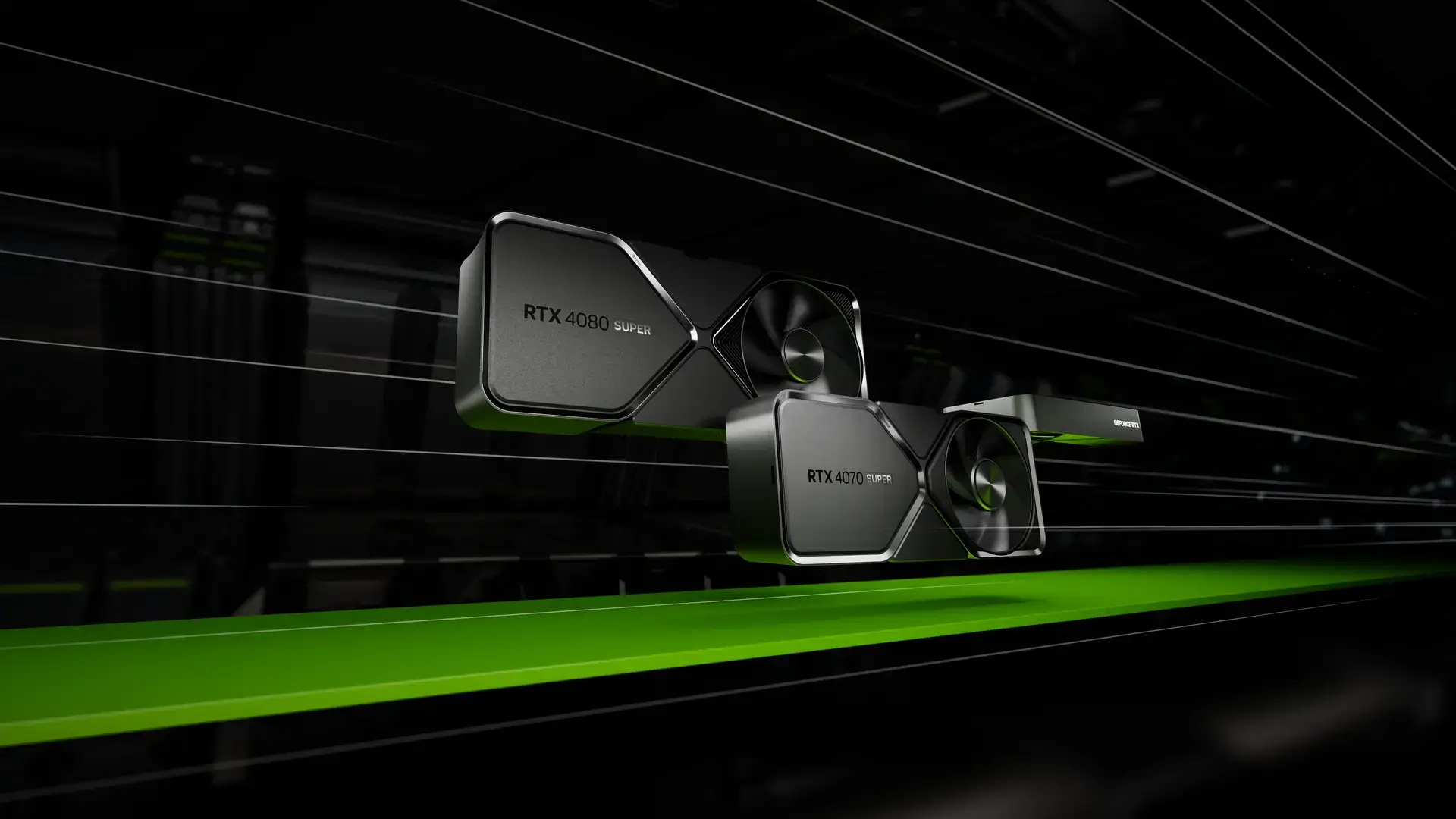
Another practical issue is hardware demand. Reports indicate that early DLSS 5 demos required extremely high-end setups—such as dual flagship GPUs—to run effectively, suggesting that widespread adoption may initially be limited to top-tier systems. This raises questions about accessibility and whether the technology will benefit mainstream players in the near term.
Despite the controversy, the strategic importance of DLSS 5 is clear. NVIDIA continues to position AI as the foundation of future graphics, and this release marks a shift from AI-assisted rendering to AI-driven generation. The company has even described DLSS 5 as a “GPT moment for graphics,” signaling its ambition to redefine how games are visually created and experienced.
Looking ahead, the debate over DLSS 5 is likely to intensify as the technology moves closer to its planned release in late 2026. The key question is whether NVIDIA can prove Huang’s claim—that critics are misunderstanding the technology—by delivering consistent visual improvements without compromising artistic control.
If successful, DLSS 5 could reshape the entire graphics pipeline. If not, it risks becoming one of the most divisive innovations in modern gaming.
More News:
Ada Wong RE9 DLC Rumor Suggests Return in Expansion
Viral GTA 6 “Gameplay Leak” Debunked as Creator Confesses to Hoax
Saudi Crown Prince Mohammed Bin Salman Has Acquired A 5% Stake In Capcom
