


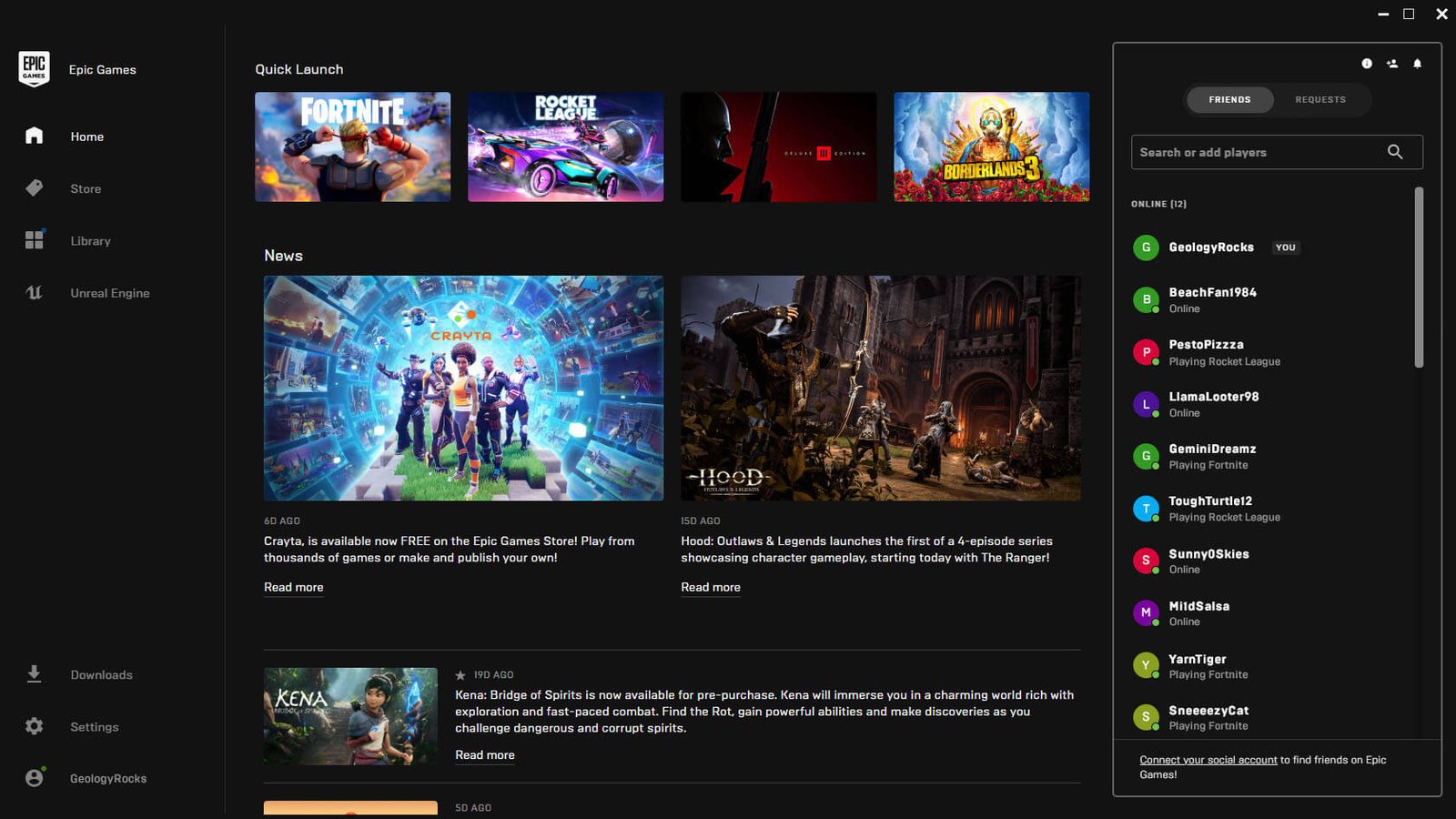
Epic Games has launched Epic Parties, a new cross-device voice chat system that keeps groups connected across Fortnite, the Epic Games Launcher and Epic’s mobile apps. The feature allows players to remain in the same voice party even when they are not actively inside Fortnite, while friends who launch the game can automatically join the same lobby. Epic confirmed the rollout on September 3 following Fortnite’s v42.10 update.
Epic Parties expands Fortnite’s existing party system beyond the game itself. A player can join voice chat through the Epic Games Launcher on PC or an Epic mobile app and continue speaking with friends who are currently playing Fortnite on another supported platform. The party remains active as members move between Fortnite, the launcher and mobile devices rather than requiring everyone to stay inside the game.
Epic also supports transferring an active voice conversation between devices. Someone chatting through their phone can move the conversation to their PC when they reach their computer, for example, without rebuilding the party from scratch. Fortnite’s updated support documentation also confirms that the Party Channel now connects members of the same Epic party whether they are in Fortnite, the Epic Games Launcher, the Epic Games Store mobile app or the Epic Games app.
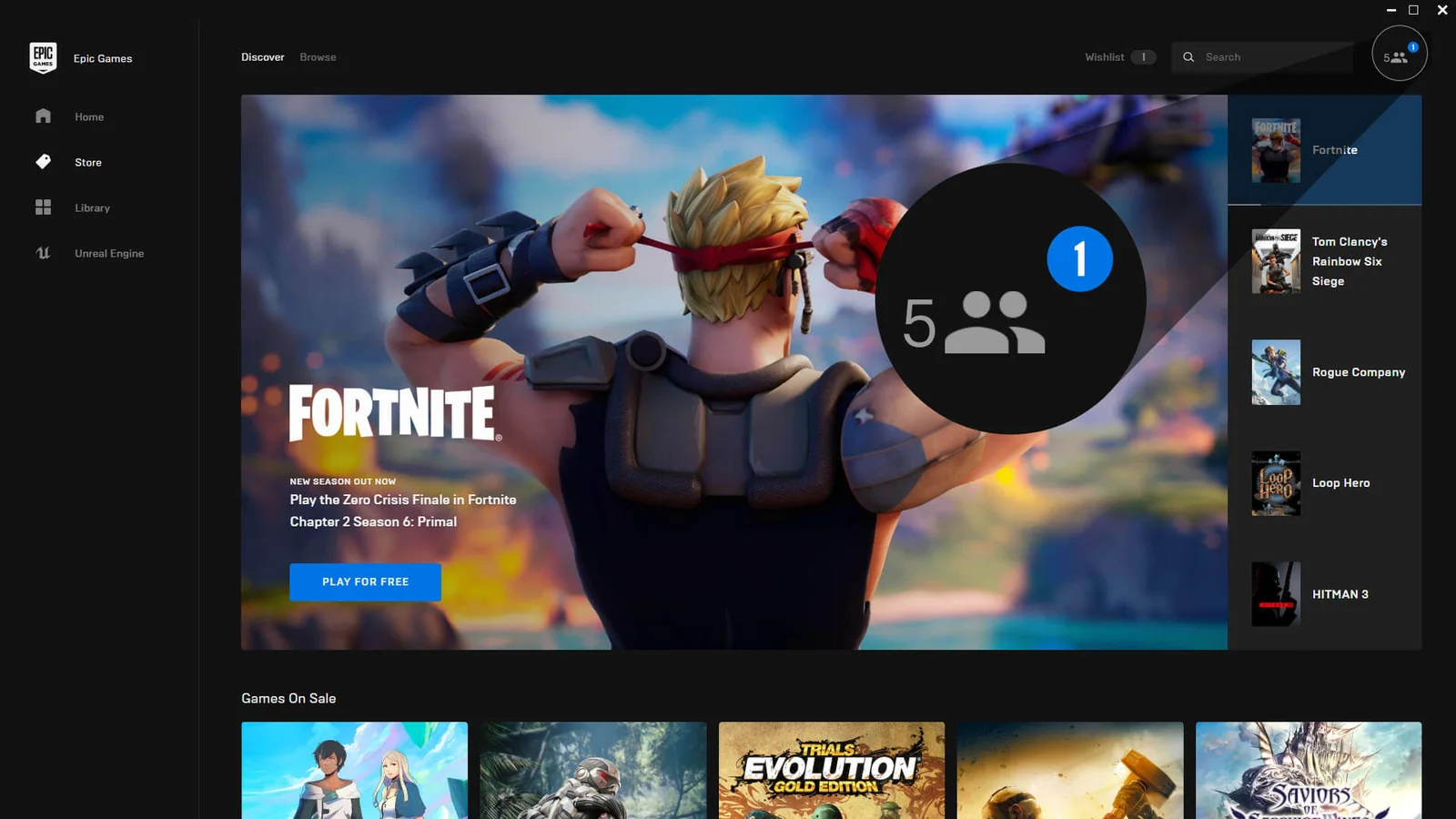
The system is designed to carry the party relationship into Fortnite as well. Friends already connected through Epic Parties can automatically enter the same Fortnite lobby when they log into the game, reducing the need to send another round of invitations after everyone has started playing. Players can therefore organize and talk before opening Fortnite and then transition directly into the game together.
The release confirms functionality that had appeared shortly beforehand through a datamine detailing Epic Parties and cross-device voice chat. That material described persistent voice conversations, mobile background chat, voice transfers between devices and automatic Fortnite lobby continuity. Epic’s launch now confirms the central functionality rather than leaving it as an unreleased feature discovered in game files.
Epic Parties also builds on the company’s broader effort to create a unified social layer across its ecosystem. Epic introduced synchronized text conversations across Fortnite, the Epic Games Store and its mobile applications before extending the concept to persistent voice communication. Direct messages and group text chats already synchronize between supported Epic services, while Epic Parties adds real-time voice to the same broader account-based experience.
One practical difference is that players no longer need to be playing the same game simply to remain in an Epic voice conversation. A user can stay in an Epic Party through the PC launcher while doing something outside Fortnite, while another member remains inside the game. That makes the feature closer to a platform-level party system than Fortnite’s traditional in-game Party Channel.
Existing communication restrictions still apply. Epic accounts use voice and text chat permissions that determine who a player can communicate with, and parental controls can further restrict those settings. Cabined Accounts cannot use voice or free text chat until the required parental consent process has been completed, so Epic Parties does not bypass the company’s existing safety controls.
The mobile component is particularly significant as Epic continues expanding its own smartphone ecosystem. Fortnite and the Epic Games Store are available on supported mobile devices, and Epic has been increasing the social functions accessible without launching a game. Epic’s continued expansion of Fortnite and the Epic Games Store on mobile platforms gives persistent parties another use beyond the PC launcher.
Epic Parties is available now across Fortnite, the Epic Games Launcher and supported Epic Games mobile applications. By allowing voice chat to persist across devices and automatically carrying connected friends into the same Fortnite lobby, Epic is turning what was previously an in-game party feature into a broader communication system spanning its gaming ecosystem.
