


Sega says it is taking a “very cautious” approach to artificial intelligence in game development and does not intend to hand creative work over to AI. Senior executive officer and deputy chief business officer Tsuyoshi Saito outlined the company’s position in an interview with Nikkei, explaining that Sega already uses AI in several areas but draws a distinction between support tasks and the creative decisions behind its games. The comments provide a clearer picture of how one of Japan’s largest publishers intends to use generative AI as adoption spreads across the industry.
Saito said Sega is using AI to improve efficiency in publishing and corporate departments and to assist with generating business ideas. Its approach becomes more conservative once the technology moves directly into game production, however. He said the company is being particularly careful about AI in the development process and will not entrust the creative elements of games to it.
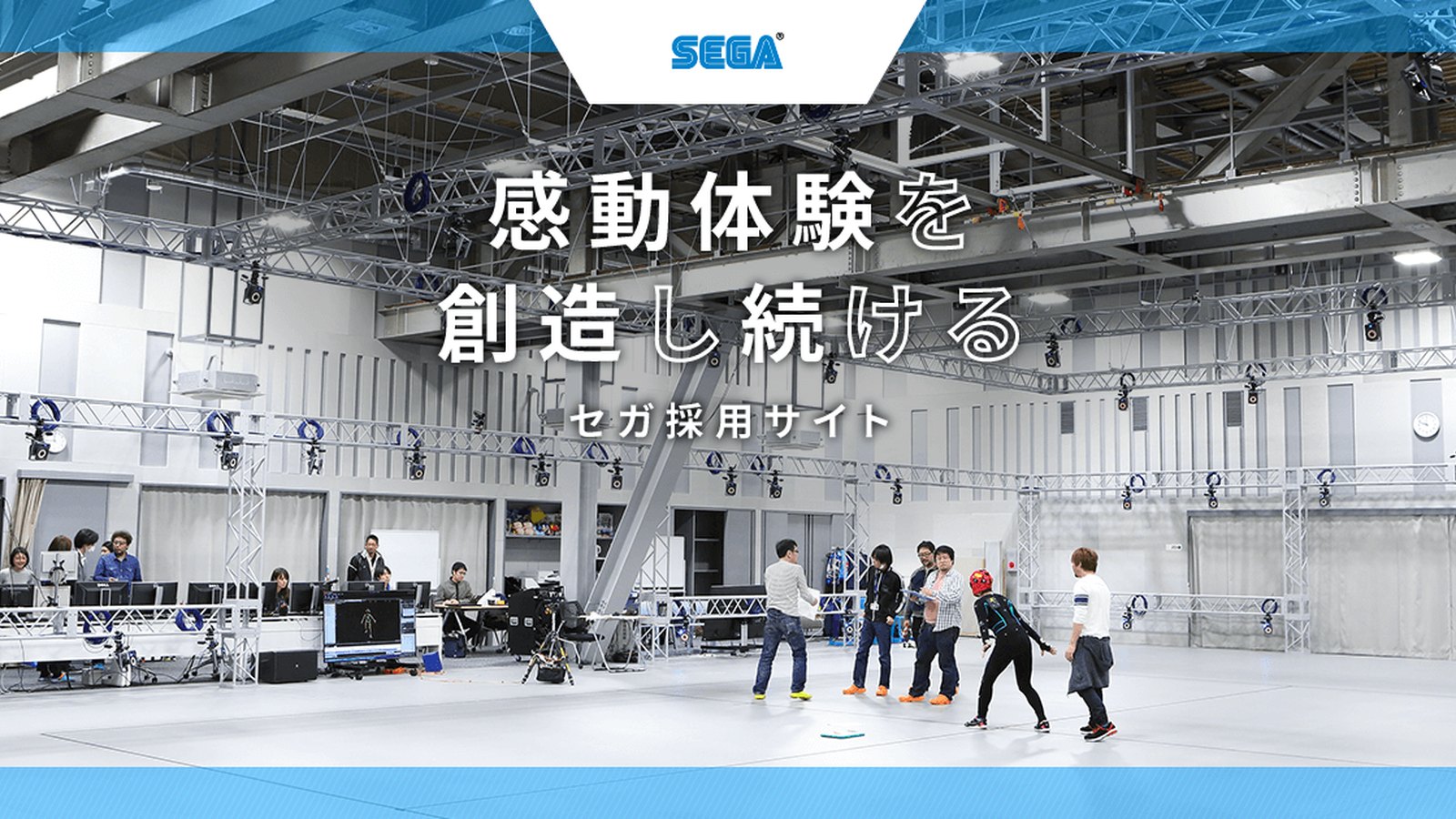
That position does not mean Sega has ruled AI out of development entirely. The company’s own recruitment material shows teams researching and deploying the technology in supporting roles, including generating large numbers of 3D character models where producing each one manually would require substantial development time. Other internal teams have experimented with AI-assisted player-feedback summaries, translation, numerical-data processing and preliminary compliance checks, while keeping human staff responsible for final judgments.
Sega has also researched more player-facing applications. One development division has discussed the possibility of AI-generated live commentary for multiplayer games, while stressing that technical, legal and regional concerns mean such features need to be approached cautiously. Another Sega development team describes AI research as part of its broader R&D work but specifically highlights legal and ethical concerns around deploying it in products seen by players.
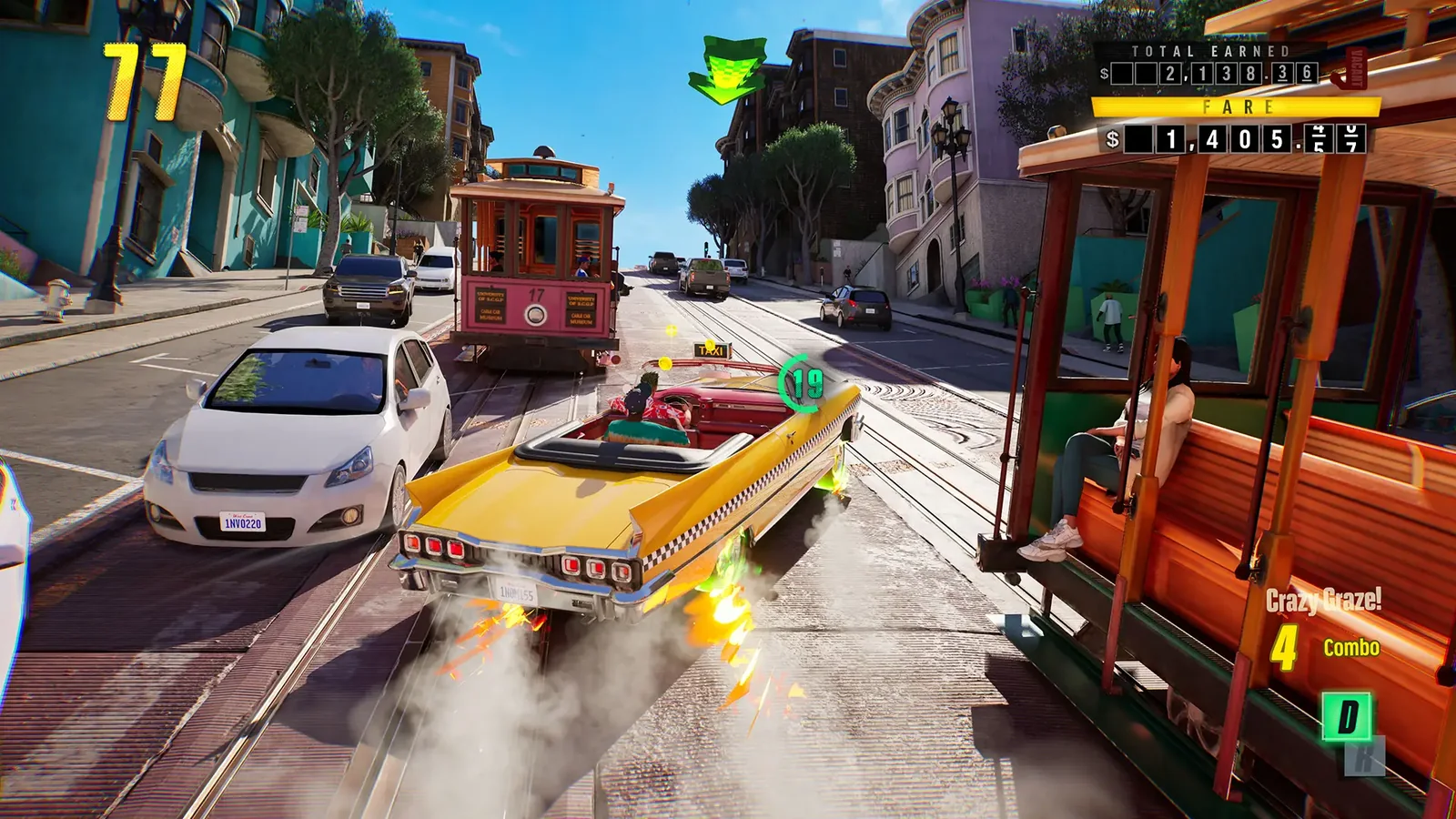
The distinction between assistance and creative authorship became particularly relevant earlier this year with Crazy Taxi: World Tour. Sega confirmed that generative AI had been used as a support tool during development, including for background assets, while saying those assets remained subject to developer review. The company also said AI was not used in reference to the game’s performers and framed the technology as a way to free developers to spend more time on creative work.
Saito’s latest comments therefore appear consistent with Sega’s broader stated policy rather than representing a complete rejection of generative AI. The publisher is willing to use it where it can accelerate repetitive, analytical or production-support tasks, but says decisions defining a game’s creative direction will remain with people. That puts Sega relatively close to the view expressed by Disgaea creator Sohei Niikawa, who sees AI as a productivity tool rather than a story writer.
Other Japanese publishers are exploring similar boundaries while taking different approaches to implementation. Capcom, for example, is developing AI-assisted systems for its RE Engine through the REX project, with applications including programming support, automated testing and development efficiency. Sega’s comments add another major publisher to an industry-wide discussion focused less on whether AI will be used at all and more on which parts of development companies are prepared to give it.
The subject remains especially sensitive because generative AI raises questions around training data, copyright, employment and the provenance of assets shipped in commercial games. Steam requires developers to disclose certain uses of generative AI, making implementation decisions increasingly visible to players rather than remaining purely internal production choices. Sega’s cautious public position suggests it is aware that efficiency gains have to be balanced against both creative standards and consumer concerns.
For now, Sega’s line is relatively clear: AI can assist developers and business teams, but it is not being positioned as a replacement for the people deciding what its games should be. The company continues researching the technology and has already found practical uses for it, so its involvement with AI is likely to expand. Saito’s comments indicate that Sega nevertheless intends to maintain a human boundary around the creative work that defines its games.
