


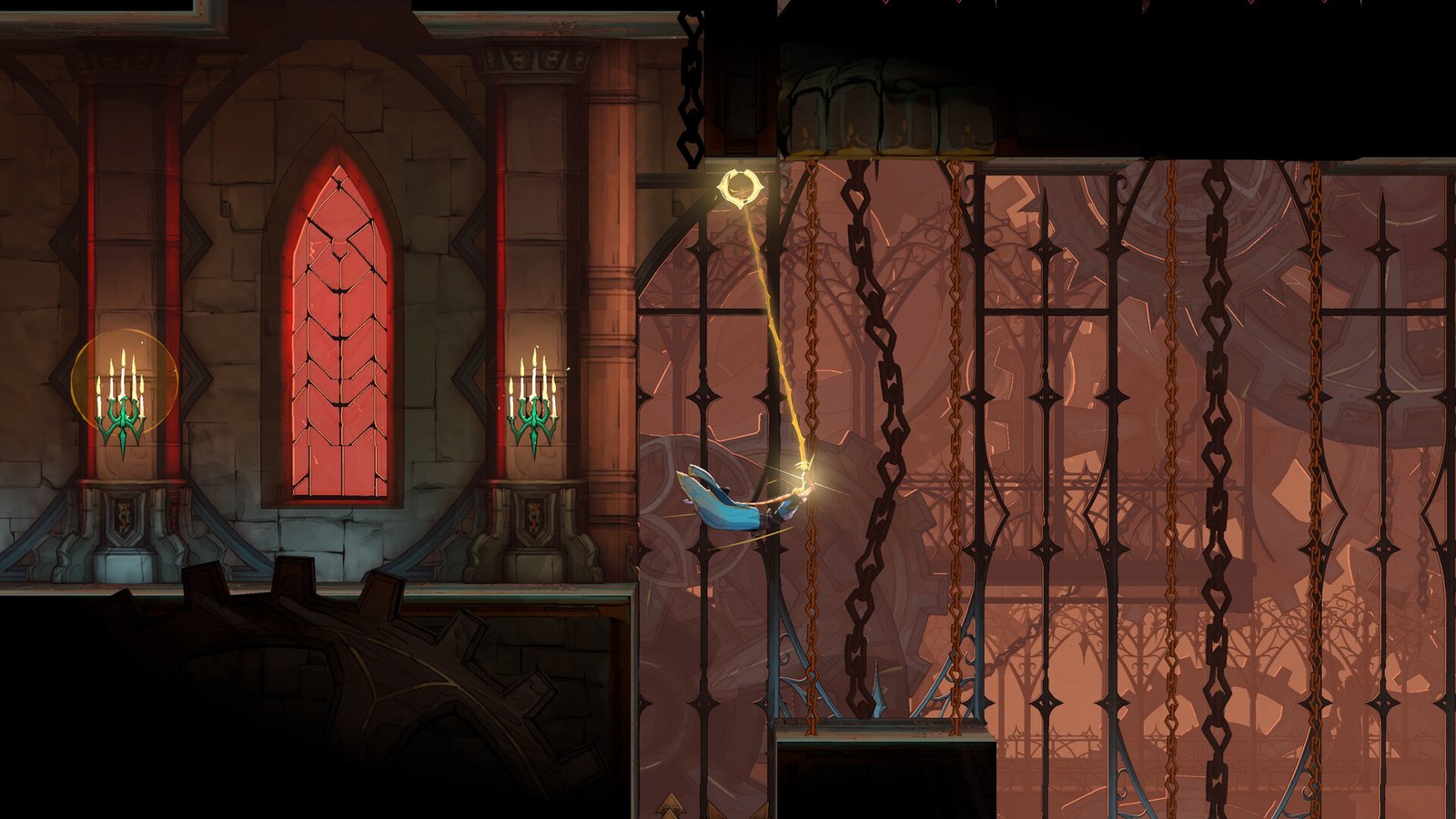
Castlevania: Belmont’s Curse has received its first published review ahead of its October 15 launch, with Famitsu awarding Konami’s new 2D action-exploration game a total score of 32/40. All four Famitsu reviewers gave the game an 8/10, producing an unusually consistent early verdict. The review highlights the game’s demanding combat, whip-based traversal, exploration and boss encounters while also noting that some movement mechanics may not appeal to everyone.
Famitsu’s reviewers describe Belmont’s Curse as a more traditional exploration-focused Castlevania rather than a game built around constant equipment drops or money farming. Traversal plays a major role, with Rose Belmont able to hook her whip onto objects and enemies to move through stages and close distance during combat. The reviewers reportedly found those mechanics rewarding overall, although one noted that whip-assisted swinging could feel somewhat sluggish.
Difficulty appears to be one of the game’s defining characteristics. Regular enemies reportedly take more punishment than players may expect, while bosses can feel particularly punishing until their weaknesses and appropriate strategies become clear. Famitsu compared the overall challenge to older Castlevania games, where learning enemy patterns and using the right tools can dramatically change an encounter.
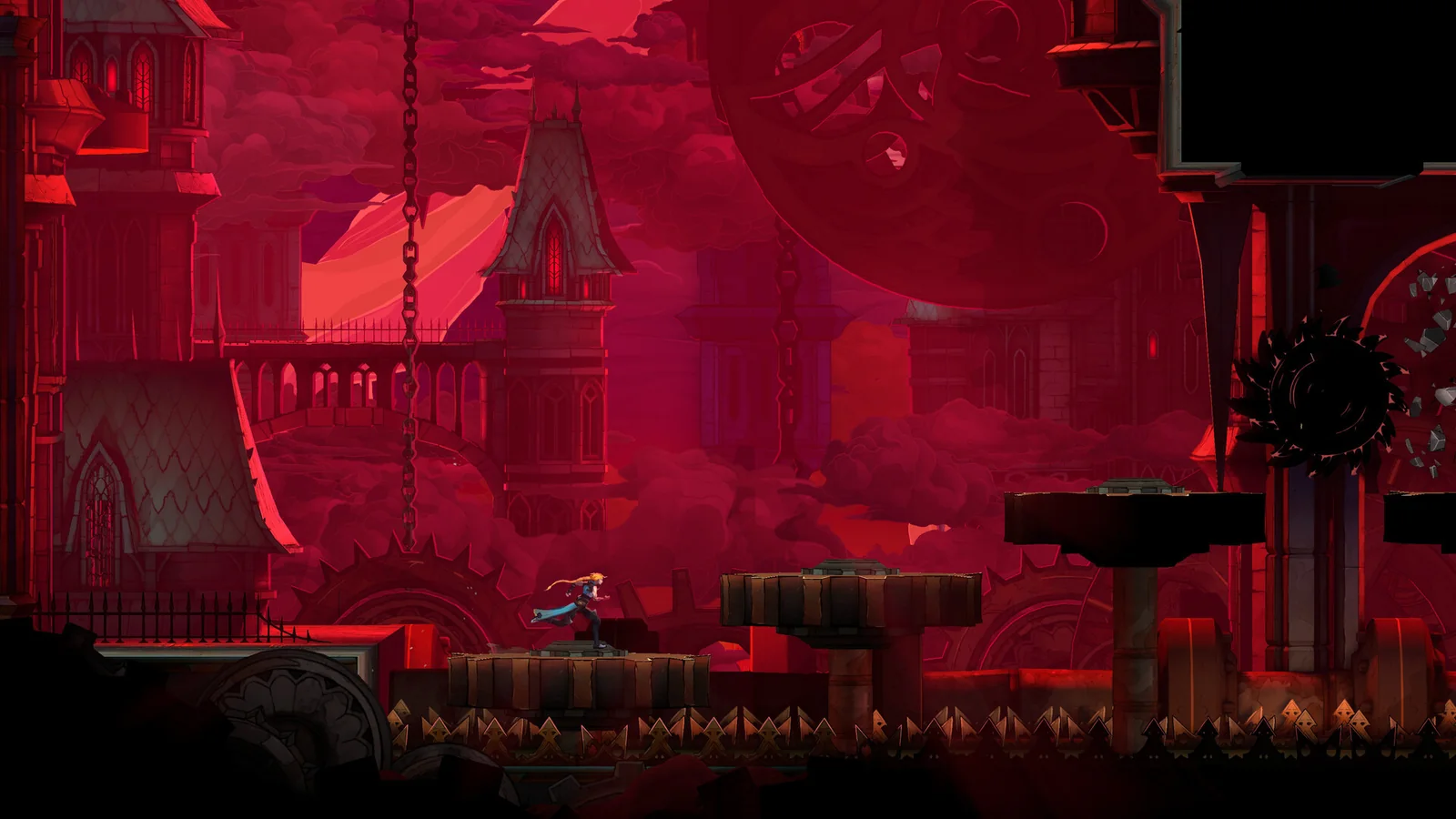
The review also points to systems designed to make that difficulty more manageable. Players can adjust elements such as incoming damage and potion availability, giving them some control over how demanding the experience becomes. Level progression and different weapon choices provide additional ways to prepare for difficult encounters rather than relying purely on mechanical execution.
Exploration expands through the Arcana system, which is tied directly to major boss encounters. Defeated bosses are sealed into tarot cards that grant Rose new abilities and special actions, opening access to previously unreachable areas. Famitsu’s reviewers highlighted this familiar progression structure as satisfying, particularly when combined with the game’s platforming challenges, environmental mechanisms and large interconnected spaces.
That system is also central to Konami’s official description of the game. Belmont’s Curse features bosses including Death, Medusa, Carmilla and Joan of Arc, with their powers becoming Arcana after defeat. Players can also combine weapons across seven categories with Relics that modify offensive and defensive abilities, allowing different approaches to exploration and combat.
The visual presentation received praise as well, particularly the detailed environments representing Paris and Dracula’s Castle. Famitsu also highlighted the game’s music and atmosphere, while suggesting that its overall visual style feels somewhat different from traditional Castlevania imagery. Whether that stylistic shift appeals to longtime fans may therefore come down to personal preference.
Narratively, Belmont’s Curse takes place 23 years after Castlevania III: Dracula’s Curse and follows Rose Belmont, the daughter of Trevor Belmont and Sypha Belnades. Konami describes the game as a story about Rose’s growth as she fights through monster-infested Paris and eventually Dracula’s Castle. The direct connection to Castlevania III also gives the new game a stronger link to one of the series’ classic storylines than a completely standalone entry would have had.
Players will not have to wait until launch to try it themselves. A playable Belmont’s Curse demo is already available, with progress carrying into the full game. The PS5 version is also reportedly a relatively small download, with a reported 7.14GB installation size ahead of release.
Castlevania: Belmont’s Curse launches October 15 for PS5, Xbox Series X|S, Xbox on PC, Steam and Nintendo Switch. Famitsu’s 32/40 result is only the first major review score to surface, so a broader critical consensus will not be clear until more reviews arrive closer to launch. Even so, the early impressions suggest Konami, Evil Empire and Motion Twin are leaning heavily into difficult combat, exploration and classic Castlevania progression rather than trying to radically reinvent the series.
