


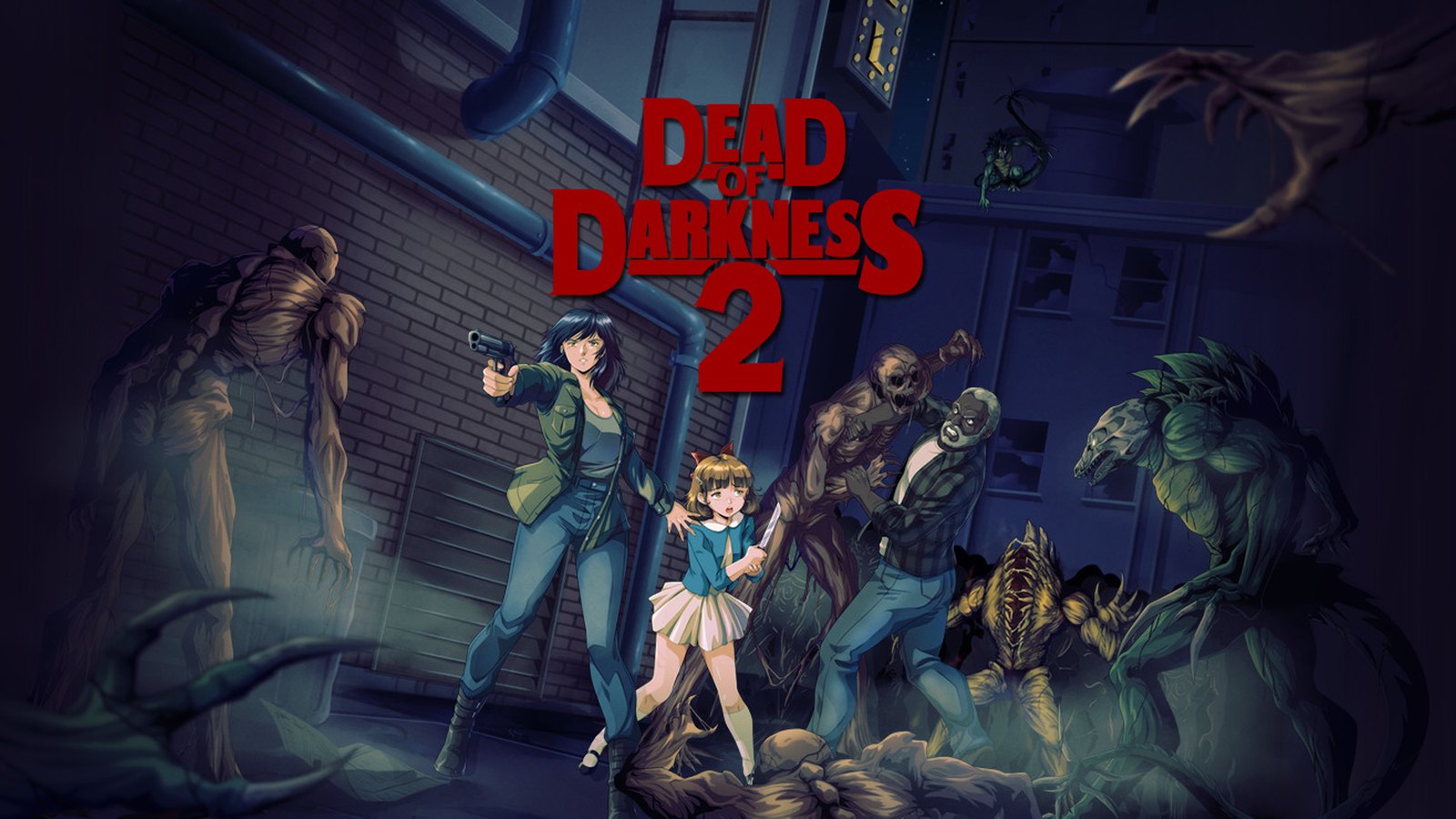
Retrofiction Games has announced Dead of Darkness 2, a direct sequel to its 2D survival horror game, for PlayStation 5, Xbox Series X|S, PlayStation 4, Xbox One, Nintendo Switch and PC. The console versions will be published by eastasiasoft, while the PC release is planned for both Steam and GOG. A release date has not yet been announced.
The sequel moves away from the original game’s perspective and adopts full 2D isometric gameplay with more detailed sprite work and additional animation frames. Retrofiction Games is still keeping the same survival horror foundation, with limited resources, puzzle-solving, exploration and an emphasis on story and environmental detail. The presentation continues to draw heavily from 1990s anime and classic horror games rather than moving toward a modern 3D format.
Dead of Darkness 2 introduces a new setting called Goldren Creek and a new protagonist, Jun Takehara. The story takes place in Pennsylvania in 1985, where Jun lives in a trailer deep in the Appalachians and is watched over by Felton, an older veteran who was a close friend of her late father. During a hunting trip, she encounters a wounded young girl in the woods, setting off the events that eventually pull her into the horrors surrounding Goldren Creek.
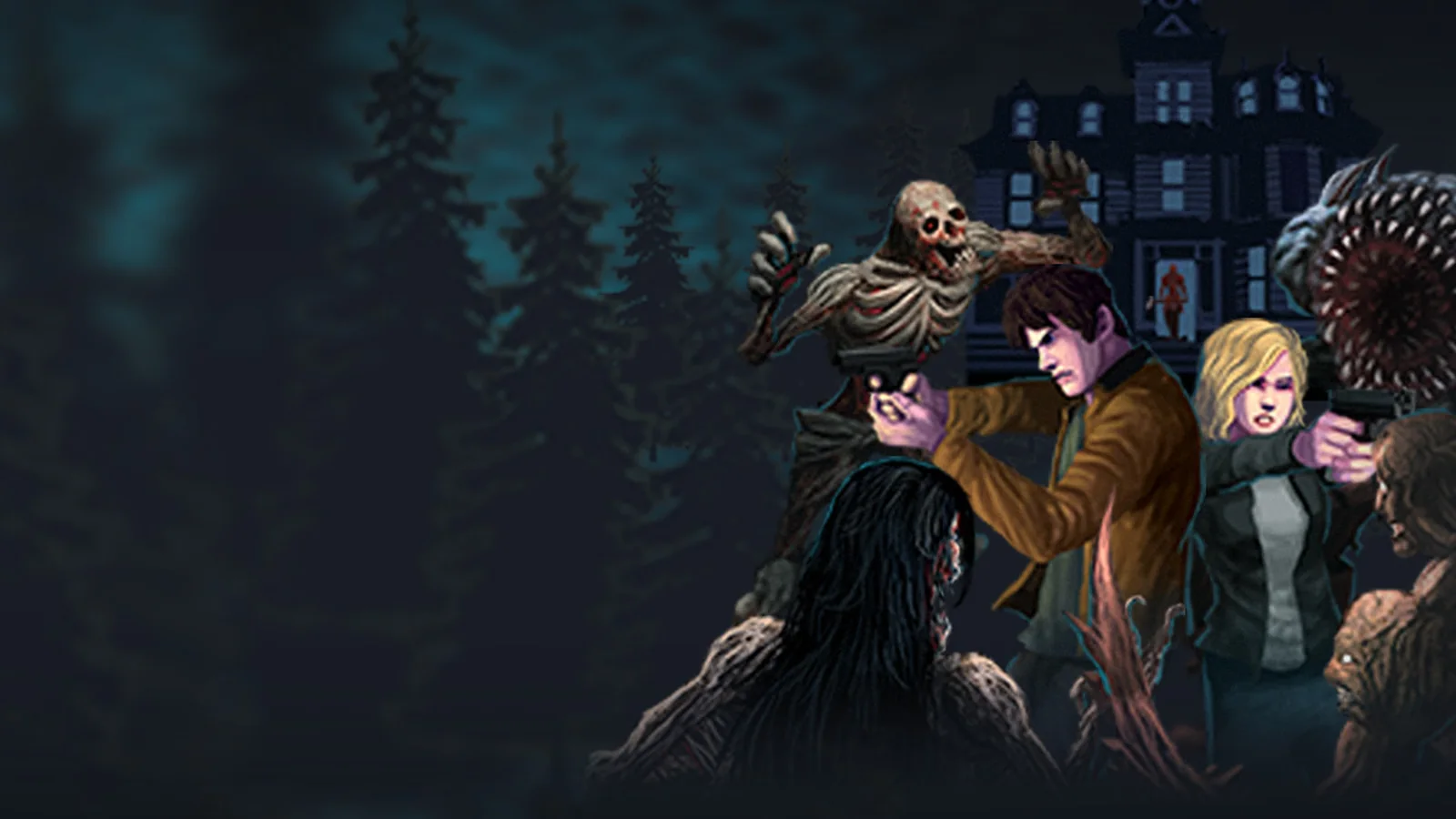
Retrofiction says the sequel will feature 28 characters whose individual stories connect to the larger mystery. Notes, environmental objects and explorable rooms will all contribute additional context, giving players multiple ways to piece together what is happening in the town. The developers are positioning the narrative as a continuation of the first game’s lore rather than a completely disconnected standalone story.
One of the larger mechanical additions is character switching. Certain sections will allow players to swap between as many as three characters, using their different locations and abilities to solve puzzles, manage resources and deal with enemies. A shared item box will also let players move equipment and supplies between characters rather than treating each inventory as completely isolated.
Resource management remains central to the sequel. Ammunition and healing items will be scarce, while medical supplies can be combined into stronger healing items and weapons can be upgraded using parts found during exploration. Inventory weight also matters, forcing players to balance carrying more equipment against staying mobile.
Combat has been expanded with a broader arsenal that includes knives, axes, submachine guns and flamethrowers. Each weapon has different characteristics such as damage, status effects, attack speed and equipment weight, which should make choosing a loadout more important than simply carrying the strongest available weapon. That system gives the sequel more room for experimentation while keeping the scarcity expected from traditional survival horror.
Exploration will also involve searching files, inspecting objects and following environmental clues to solve puzzles and uncover hidden routes. Retrofiction says some discoveries will open secrets or reveal alternative pathways through areas, reinforcing the investigative side of the game rather than making combat the sole focus. The Goldren Creek setting is therefore being built around both survival and uncovering the town’s larger mystery.
The original Dead of Darkness released as a sprite-based horror game centered on private investigator Miles Windham and the events surrounding Velvet Island. The sequel expands the scale substantially with a new location, larger cast and multiple playable characters while keeping the same retro visual identity. Players who want to revisit the first game can also find it on PC storefronts while waiting for the sequel.
Dead of Darkness 2 does not currently have a release window, but Retrofiction Games has confirmed that it is in development across current-generation and last-generation consoles as well as Switch and PC. With the move to isometric environments, expanded character systems and a larger story cast, the sequel appears intended as a considerably broader follow-up rather than a straightforward repeat of the first game’s structure.
