


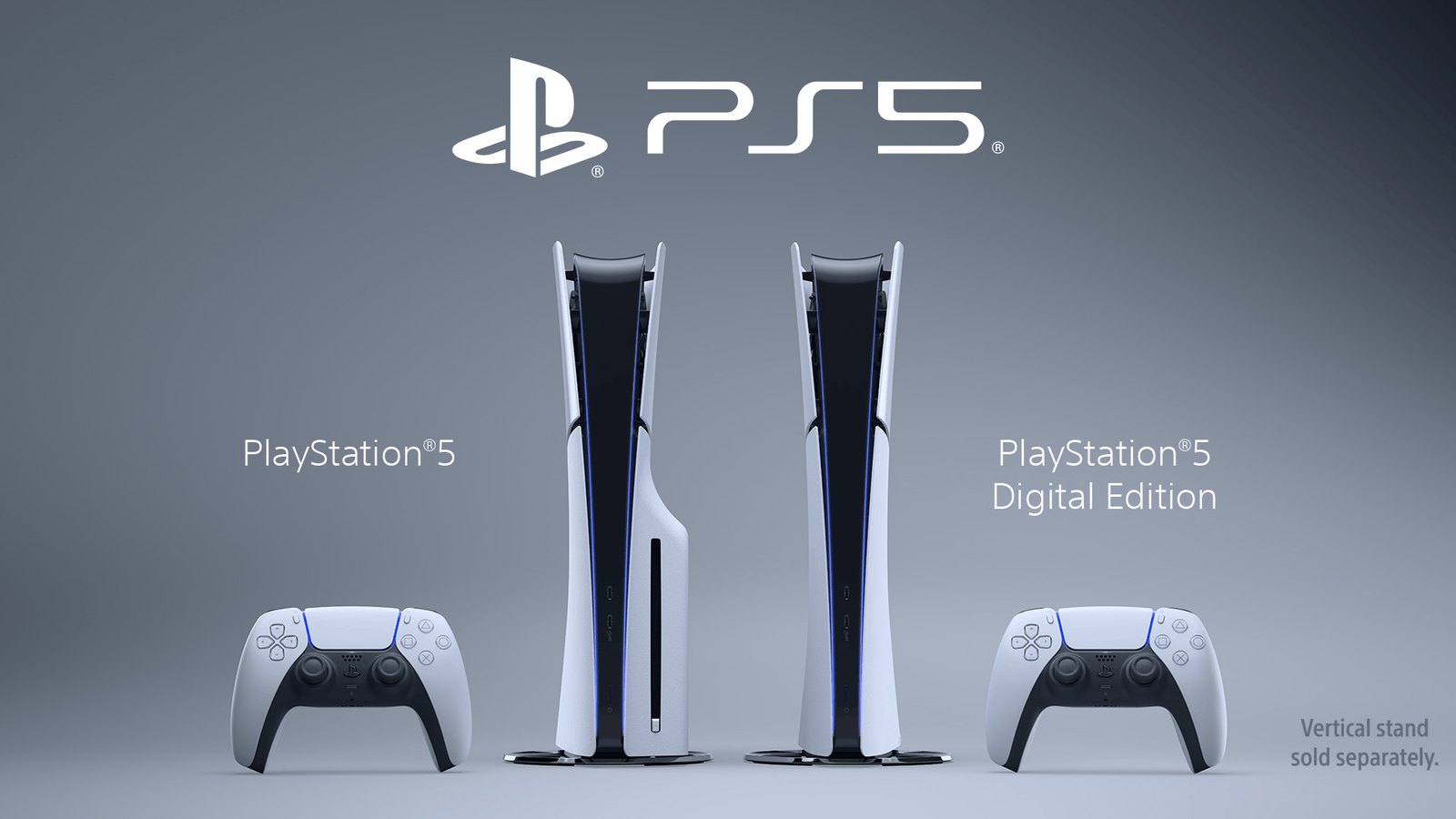
Sony’s new Quick Spectral Super Resolution (QSSR) upscaling technology for the standard PlayStation 5 could be more difficult to implement in older games than initially expected. Digital Foundry’s Richard Leadbetter has raised concerns about compatibility with earlier versions of Sony’s software development kit (SDK), suggesting that some studios may need to update their development environments before adding QSSR support. The potential limitation has not been officially confirmed by Sony, but it could affect how widely the technology reaches existing PS5 titles.
The concern emerged during Digital Foundry’s October 7 Q&A discussing QSSR and its implications for current-generation consoles. Leadbetter explained that the availability of the new upscaling library within Sony’s SDK framework could determine whether developers can easily introduce it into previously released games. He indicated that he had heard older titles might encounter difficulties, although the exact compatibility requirements remain unclear.
QSSR was introduced on October 1 as Sony’s new AI-powered upscaling solution for the base PS5. Developed through Project Amethyst, Sony’s graphics technology collaboration with AMD, it uses a streamlined neural network and an implementation optimized for the console’s existing hardware. The technology is intended to reconstruct game images with greater clarity and stability while operating within the performance limitations of the standard PS5.
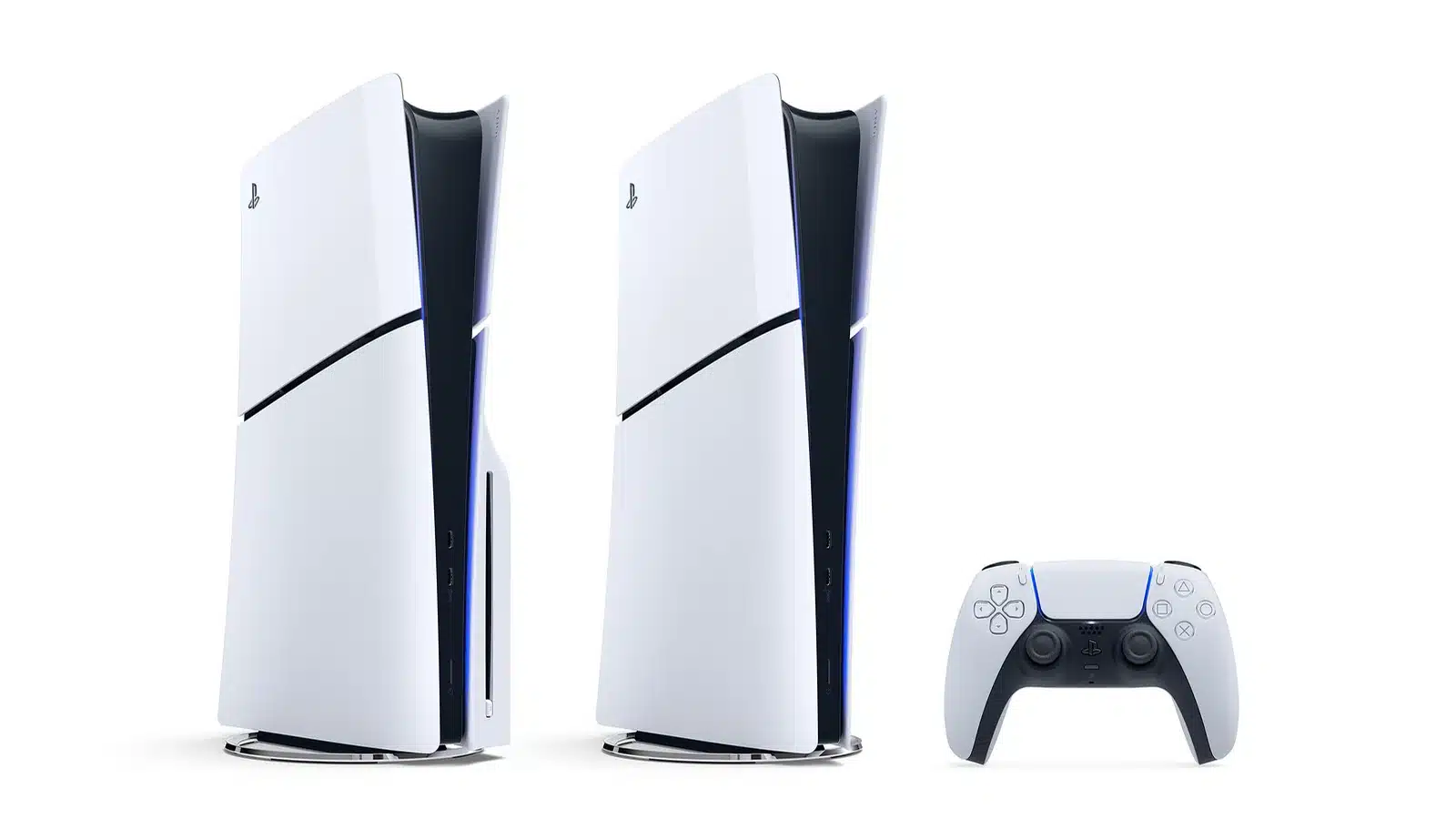
The new system builds on PlayStation Spectral Super Resolution (PSSR), which was originally introduced for the PS5 Pro. However, Sony designed QSSR to operate on the less powerful base console rather than simply transferring the Pro’s implementation unchanged. The company has already introduced QSSR support in Marvel's Wolverine and Ghost of Yōtei, with both titles receiving updates that add the technology as an optional graphics feature.
The potential complication involves the tools developers originally used to build their games. Console SDKs provide the libraries, interfaces, and development resources required to create software for a particular platform. Games developed using older SDK versions may not automatically have access to features introduced through newer development libraries, depending on how the platform holder implements compatibility.
According to Leadbetter, PSSR benefited from provisions that allowed developers to integrate the technology into games built using earlier SDK versions. This made it easier to introduce improved upscaling without requiring extensive changes to an existing development environment. QSSR may not have the same compatibility provisions, potentially creating additional work for studios interested in updating older titles.
If a newer SDK is required, developers could face more than simply replacing one upscaling technique with another. Moving an existing game to updated development tools may introduce compatibility problems that require engineering work, regression testing, and additional quality assurance. For games that remain under active development, those costs may be manageable, but studios maintaining older releases could have less incentive to undertake the process.
The technical discussion also raises questions about whether Sony can introduce QSSR through a system-level option. PSSR has benefited from centralized library support that enables certain improvements to be applied more broadly. Digital Foundry suggested that QSSR may lack an equivalent mechanism, meaning support would depend more heavily on individual game updates rather than a universal console setting.
That distinction matters because Sony previously indicated that adding QSSR to compatible games should be relatively straightforward. Daniel Craig, principal engineer in Sony Interactive Entertainment’s graphics research and development group, described the technology as a way to bring AI-guided image reconstruction to the base PS5 without the computational requirements of PSSR. The possible SDK limitation does not necessarily contradict that assessment, since integrating an upscaler into a compatible development environment is different from first migrating an older project to newer tools.
Digital Foundry also discussed several third-party games that could potentially benefit from improved image reconstruction, including Final Fantasy VII Rebirth, Alan Wake 2, Crimson Desert, 007 First Light, and Control Resonant. These were examples raised during the technical discussion rather than confirmed QSSR announcements. There is currently no evidence that any of those titles have been rejected for support because of SDK compatibility.
For players, the main uncertainty is whether QSSR will become a widespread upgrade across the existing PS5 library or remain concentrated among newer releases and games receiving substantial ongoing support. Sony has confirmed that the technology will be made broadly available to PlayStation developers, but it has not published a complete compatibility list or clarified its requirements for older SDK versions.
Until Sony provides further technical guidance, the reported compatibility issue remains a potential development obstacle rather than an established restriction. QSSR is already available in supported games, and its longer-term adoption will depend on both Sony’s implementation tools and developers’ willingness to update their existing titles.
