


Raspberry Pi has announced another price increase for its highest-memory products, raising the 16GB Raspberry Pi 5 from $305 to $385. The new pricing takes effect on November 2, 2026, as the company continues to face rising memory costs and component supply shortages.
The $80 increase represents a roughly 26% jump from the previous price, making the 16GB model considerably more expensive for enthusiasts building compact Linux computers, retro-gaming systems and other single-board computer projects.
In an official announcement published on November 2, Raspberry Pi CEO Eben Upton attributed the latest adjustment to limited supplies of high-density DRAM and continuing shortages of other components.
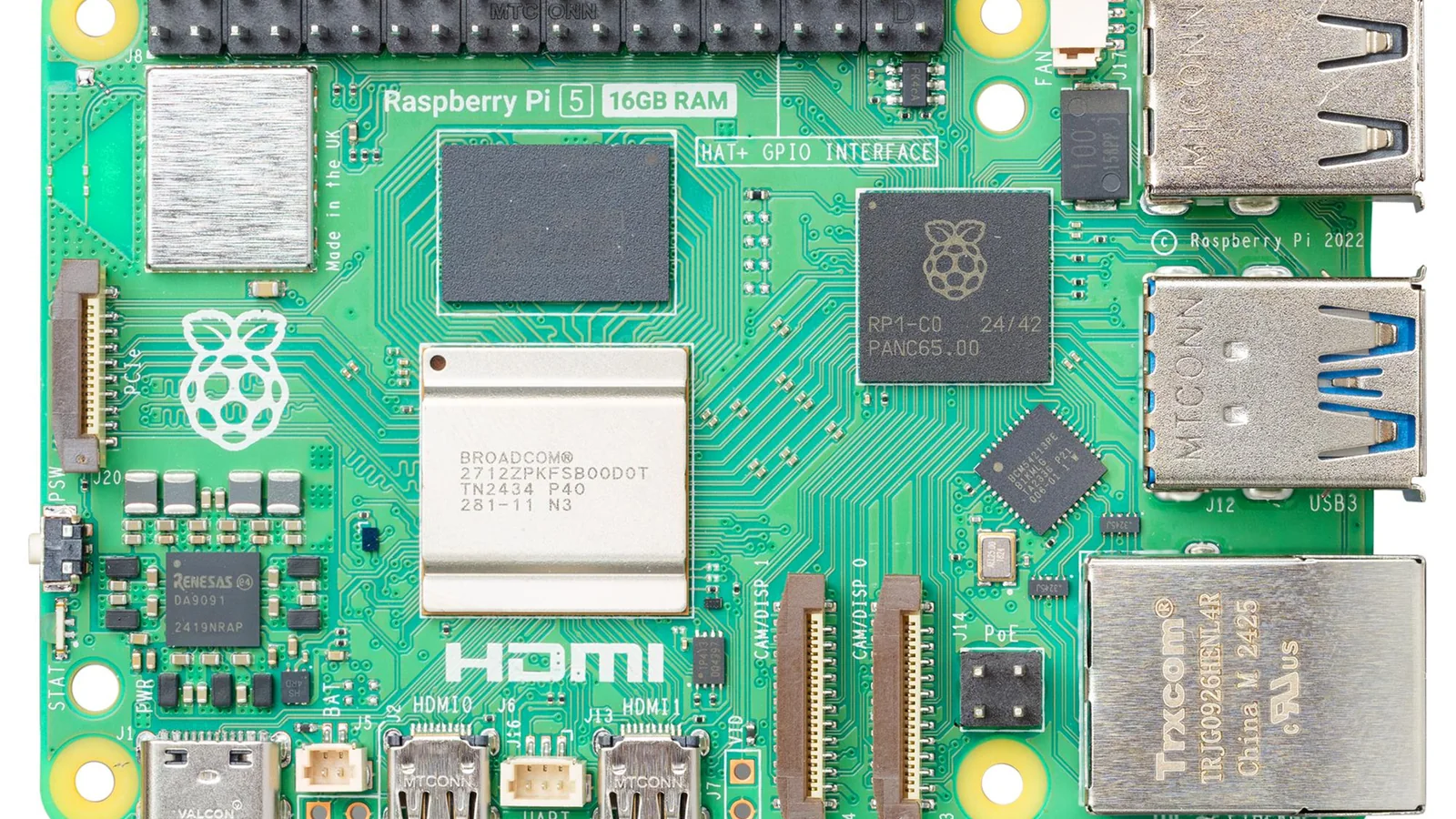
The company explained that it has already implemented selective price increases over the past two years to address rising memory costs. However, difficulties securing alternative sources of 16GB DRAM have forced another adjustment.
Alongside the Raspberry Pi 5 increase, all 16GB Raspberry Pi Compute Module 5 variants are becoming $40 more expensive. These modules are designed for embedded computing applications and custom hardware projects, with updated pricing reflected in the company’s official product documentation.
Not every Raspberry Pi product is affected by the latest announcement. The Raspberry Pi 500+, an all-in-one desktop computer built into a mechanical keyboard and equipped with 16GB of RAM, retains its existing price.
Lower-memory Raspberry Pi configurations are also unaffected by this particular announcement, although some models have already experienced earlier price increases.
The latest adjustment follows previous Raspberry Pi pricing changes in April and October 2026, highlighting continued pressure on consumer computing hardware from expensive memory components.
Similar supply-chain concerns extend beyond single-board computers. Rising memory costs have also contributed to reports of potential AMD Radeon graphics card price increases, while PCB supply shortages and rising manufacturing costs have raised concerns about broader PC hardware pricing.
For Raspberry Pi enthusiasts, the higher cost is particularly relevant when deciding how much memory a project actually requires. The 16GB configuration can accommodate more memory-intensive workloads, but smaller retro-gaming, emulation and lightweight Linux projects may not need that capacity.
The company is encouraging customers to consider lower-memory configurations, earlier Raspberry Pi models and software memory optimisations where practical.
For gaming-related uses, buyers should also consider software compatibility alongside hardware pricing. Raspberry Pi devices use Arm processors, and Valve's standard Steam for Linux client does not officially support Arm PCs, making these boards more suitable for selected emulation and Linux projects than conventional desktop Steam gaming.
Raspberry Pi has also warned customers about sellers exploiting the memory shortage by charging inflated prices or offering products that may not be genuine. It recommends purchasing through its network of approved resellers.
Despite the latest increases, the company maintains that the current memory market difficulties are temporary. Raspberry Pi says it intends to reverse the price increases when memory costs decline, although it has not provided a timeline for when that might happen.
