


House House, the Australian studio behind Big Walk and Untitled Goose Game, has confirmed using generative AI tools during the development of its cooperative adventure game. The disclosure comes amid a dispute involving the Independent Games Festival (IGF), where 19 jurors have announced they will not vote for games developed using generative AI in any capacity.
In a statement published on Big Walk’s official FAQ page, House House acknowledged using large language models (LLMs) to investigate technical problems and resolve bugs during the final stages of development. The studio estimates that significantly less than 0.1% of the game’s code was associated with this AI-assisted work and maintains that generative AI was not used elsewhere in production.
The statement follows a November 9 declaration from 19 IGF jurors opposing generative AI in submitted games, including its use for programming. Their position has raised questions about how independent game awards should evaluate projects that use AI for technical assistance rather than generating artwork, dialogue or other creative content.
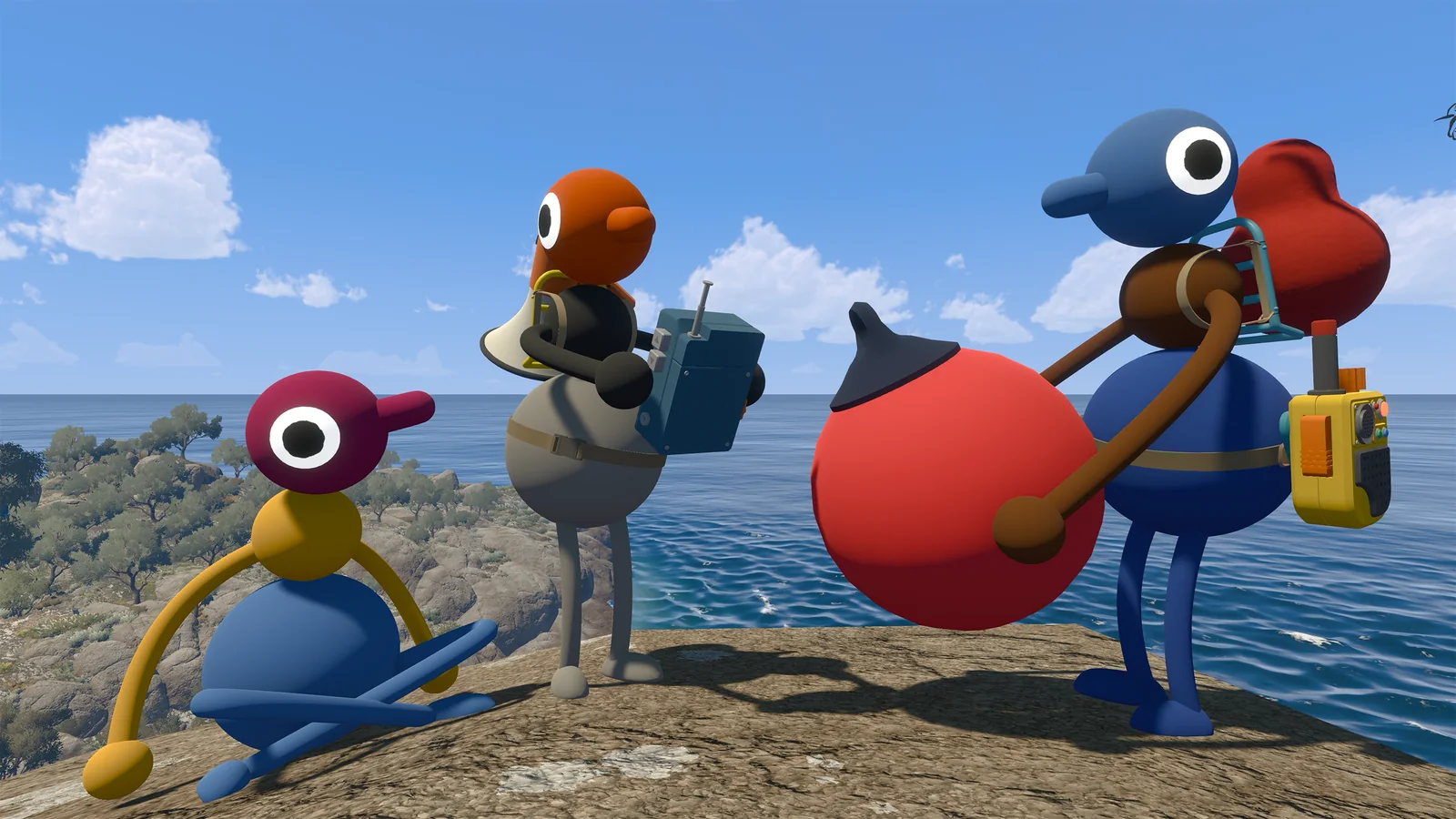
House House explained that its primary use of LLMs involved researching problems with third-party code. In certain cases, developers adapted snippets suggested by chatbots into the game’s existing codebase.
The studio provided a specific example involving Unity’s Universal Render Pipeline (URP). An issue with shadow rendering caused Big Walk to run approximately 50% slower for around 20 seconds during sunrise and sunset sequences.
According to House House, the development team investigated the problem extensively and consulted an engineer at Unity, who ultimately concluded that the requested solution was not possible through the existing implementation.
The team subsequently consulted an LLM chatbot, which suggested a potential workaround after several unsuccessful attempts. House House modified the proposed solution extensively before implementing a fix involving approximately 10 lines of code within Unity URP.
The studio described this as an example of limited AI-assisted debugging rather than widespread AI-generated programming.
House House also clarified why Big Walk did not carry a generative AI disclosure on its Steam store page. The developer said Steam does not request disclosure of code or chatbot usage, distinguishing these development activities from the types of AI-generated content covered by the platform’s disclosure requirements.
The studio confirmed that it had already prepared a version of its AI-use disclosure as part of its IGF submission. Its subsequent public explanation was published because the matter had attracted broader attention.
The controversy emerged after a group of 19 IGF jurors released a statement criticizing the increasing presence of generative AI in independent game development.
The jurors said they had observed a significant increase in submissions involving generative AI tools, prompting disagreements among those evaluating games for the upcoming 29th Independent Games Festival Awards.
Their statement argues that AI-generated programming should not be treated differently from AI-generated artwork, music or writing. The signatories believe programming constitutes creative work deserving the same consideration as other aspects of game development.
Consequently, the 19 jurors declared that they would decline to vote for any game using generative AI, regardless of how extensively the technology was involved.
The statement was approved for publication by IGF leadership but does not represent an official position adopted by the festival or all its jurors. It also does not announce a festival-wide prohibition on AI-assisted games.
Although Big Walk was not named in the jurors’ collective statement, discussion surrounding its disclosed AI usage became part of the wider debate over the awards.
House House acknowledged the concerns raised by opponents of generative AI while distancing itself from any endorsement of the technology.
The studio expressed concern that even voluntary disclosures of limited AI usage could contribute to normalizing the tools within game development. It apologized to those who felt Big Walk’s use of LLMs did not meet their standards.
House House also acknowledged that Big Walk had been developed without a formal internal AI usage policy, describing that omission as a failure. The developer committed to establishing a more comprehensive policy for future projects.
The dispute arrives as generative AI disclosures become increasingly common across PC gaming. A separate analysis found that nearly half of Steam games released in October 2026 disclosed generative AI use, illustrating the growing prevalence of the technology across the platform.
However, Big Walk’s situation highlights a distinction between disclosed AI-generated content and the use of chatbots to assist with technical development. House House maintains that its involvement was limited to troubleshooting and small modifications to code, while the opposing IGF jurors argue that even limited AI-assisted programming raises concerns.
As of November 10, no official IGF decision has been announced to disqualify Big Walk or introduce a blanket ban on generative AI. The confirmed development is the refusal of 19 individual jurors to vote for AI-assisted entries, alongside House House’s public acknowledgment of its limited LLM usage.
