


Katsuhiro Harada, the former Tekken series producer and current CEO of VS Studio, has criticized the additional development work required to support Xbox Series S alongside Xbox Series X. Speaking at the Console Game Developers Conference 2026 in Seoul on November 9, Harada joked that he wished Microsoft had never released hardware like the Series S, arguing that its lower performance creates unnecessary optimization challenges.
His comments came during a developer panel moderated by former PlayStation executive Shuhei Yoshida. The discussion included CD Projekt Red associate game director Paweł Sasko, Shift Up CTO DongKi Lee and several other developers. Korean gaming publication Inven Global documented the conversation in its November 9 coverage.
Harada acknowledged that the Xbox Series S has less memory than the Series X but argued that the bigger problem is how closely the two consoles resemble each other despite their performance differences.
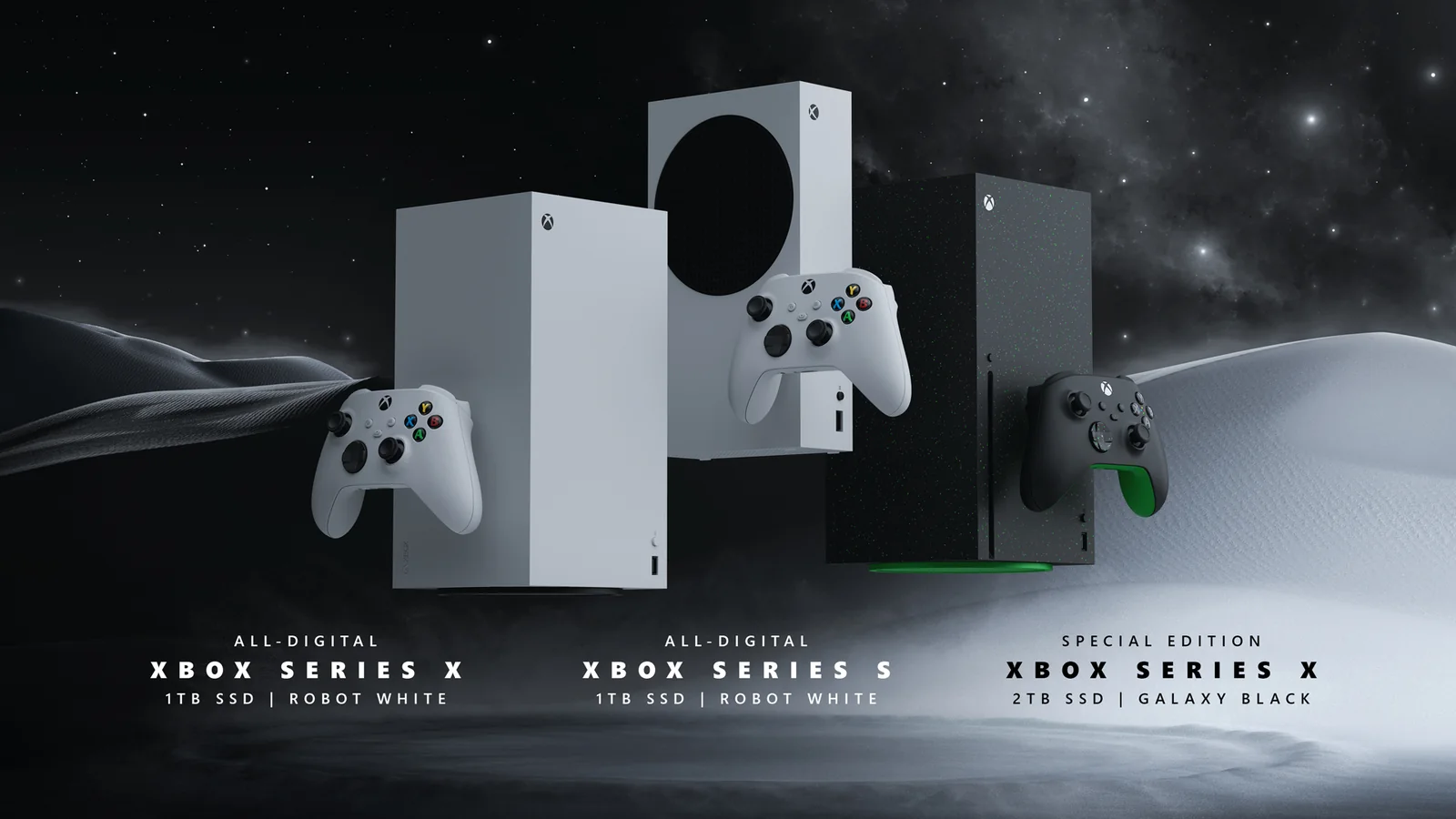
According to Harada, developers approaching a Nintendo Switch 2 port can treat it as a separate platform with different hardware expectations. Supporting Xbox Series S, however, can feel like returning to a game already optimized for more powerful hardware and performing another round of adjustments to accommodate its weaker counterpart.
He compared the situation to doing additional work for a slightly weaker child, using humor to describe the frustration of adapting games for two closely related consoles with different capabilities.
Harada also argued that developers cannot simply prioritize Xbox Series X because Xbox Series S represents a substantial part of the console audience. He claimed that Series S owners outnumber Series X owners in markets such as the United States, although he did not provide supporting sales figures during the discussion.
The situation becomes particularly frustrating, he explained, when players question why the Series S version has lower-resolution textures or reduced graphical quality. Those complaints are often directed at developers rather than Microsoft, even when the differences result from hardware limitations.
The performance gap between the consoles has practical consequences for game optimization. Xbox Series S targets less demanding rendering configurations than Series X, requiring developers to adjust graphical settings and resource usage while preserving the intended gameplay experience.
The differences are visible in games offering distinct resolution and frame-rate targets across the two consoles. For example, Metro Redux performance footage on Xbox Series X and Series S illustrates how developers can configure the same game for different hardware capabilities.
CD Projekt Red’s Paweł Sasko acknowledged Harada’s concerns but offered a more balanced perspective on the benefits of supporting less powerful hardware.
Sasko explained that hardware limitations force development teams to optimize their code more carefully. Although this requires additional effort, the resulting improvements can also benefit PlayStation 5, high-end gaming PCs and handheld devices such as Steam Deck and ROG Ally.
He highlighted CD Projekt Red’s work on Cyberpunk 2077 for Nintendo Switch 2 as an example. According to Sasko, a team of approximately 80 to 100 developers spent more than a year preparing the port, and optimization improvements from that process were subsequently applied to other platforms.
Sasko also described how designing games with scalability in mind can make multiplatform development easier. Adjusting elements such as crowd density and vehicle traffic allows developers to reduce processing demands on weaker systems without fundamentally changing the game.
These considerations extend beyond graphics settings. Developers must account for memory availability, rendering workloads and the performance costs of gameplay systems when supporting hardware with different capabilities.
New rendering technologies can provide additional options for managing those differences. AMD’s FSR 4.1.2 support for Xbox Series X and Series S developers is one example of technology intended to help improve image quality and rendering efficiency, although upscaling does not eliminate every hardware limitation.
Despite the challenges, Sasko emphasized that Xbox Series S offers an important advantage: affordability. Its lower price makes console gaming accessible to people who cannot justify purchasing more expensive hardware, potentially allowing developers to reach a larger audience.
Harada responded by joking that Sasko had defended the console so convincingly that a Microsoft representative attending the panel appeared reassured. He then expressed concern, again humorously, that Microsoft might introduce a similarly lower-powered console called “Helix S” in its next hardware generation.
Microsoft has confirmed that Project Helix is the codename for its next-generation Xbox hardware. The company announced in March 2026 that the platform is being developed in partnership with AMD, will support Xbox console and PC games, and is expected to reach developers through early hardware shipments beginning in 2027.
Microsoft has also discussed Project Helix as a family of devices, but it has not announced a product named Helix S or confirmed a direct successor to Xbox Series S.
The exchange between Harada and Sasko highlights the competing priorities facing multiplatform developers: delivering the best possible performance on powerful hardware while ensuring games remain accessible and technically reliable on more affordable systems.
