


KDE Plasma 6.9 will introduce on-demand XWayland initialization, allowing the Linux desktop environment to start its X11 compatibility layer only when an application actually requires it. The change eliminates an unnecessary background process during Wayland sessions that use exclusively native applications, while preserving support for older X11 software and games.
KDE contributor Nate Graham confirmed the completed implementation in the November 14, 2026 edition of This Week in Plasma. The development work was carried out by Vlad Zahorodnii, David Edmundson, and David Redondo, who migrated several system services away from legacy X11 code paths to make genuine on-demand initialization possible.
Previously, KDE Plasma started XWayland during Wayland desktop sessions even when no applications were using the compatibility layer. This meant the process remained active regardless of whether the user needed to run traditional X11 software.
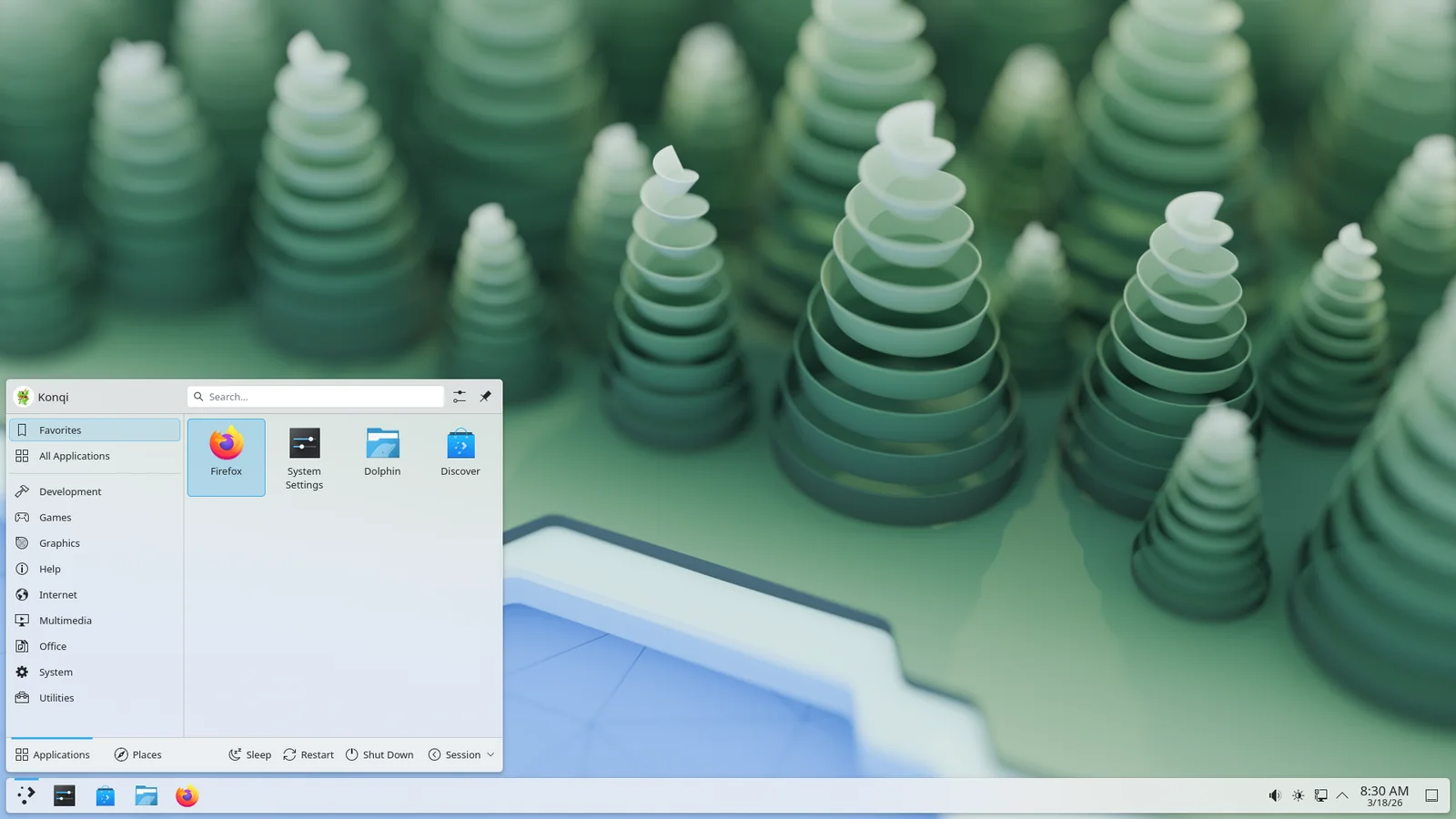
With Plasma 6.9, XWayland will instead initialize when required, avoiding the need to keep it running throughout sessions that rely entirely on native Wayland applications. The implementation changes how the compatibility layer starts rather than removing X11 application support.
XWayland remains important for Linux gaming because it allows applications built around the older X11 display system to operate within modern Wayland desktop sessions. Some Linux games and applications running through compatibility technologies such as Proton still depend on X11 interfaces.
For users running Steam and other gaming software on KDE Plasma, the change means XWayland can remain available for applications that need it without necessarily running when those applications are absent.
The update is primarily a desktop resource-efficiency improvement rather than a direct gaming performance optimization. Avoiding an unnecessary compatibility process can reduce background activity, but KDE has not published benchmarks demonstrating measurable improvements to game frame rates, frame times, or system memory consumption from this implementation.
The distinction matters because XWayland itself is not being replaced with a faster graphics translation system. Games that require XWayland will continue to use the compatibility layer when launched, so the change should not be interpreted as a confirmed FPS improvement for existing Linux games.
The development also reflects KDE’s continuing work on its Wayland desktop environment. The recently released Fedora Linux 45 update with KDE Plasma 6.8 provides an earlier reference point for the desktop’s ongoing development, while Plasma 6.9 will introduce the new XWayland initialization behavior.
Compatibility remains a significant consideration across Linux gaming software. Recent Discord improvements for Wayland and Steam Deck streaming illustrate how applications are continuing to adapt to Linux display technologies while supporting existing gaming workflows.
Beyond XWayland, KDE’s November 14 development update confirmed several additional improvements targeting Plasma 6.9. The System Settings Task Switching and Date & Time pages have been migrated to QML, with the latter receiving a simplified layout. The desktop will also allow users to forget saved networks directly from the Networks widget.
Performance-related development includes faster startup for the Spectacle screenshot utility, improvements to the Add Widgets sidebar, and changes that prevent unnecessary regeneration of taskbar window thumbnails.
KDE also detailed fixes targeting existing Plasma releases, including a visual corruption issue affecting certain Intel CPU and NVIDIA GPU configurations in Plasma 6.8.3. Another fix planned for Plasma 6.8.4 improves KWin’s handling of invalid HDR data sent by games such as Elden Ring.
The on-demand XWayland implementation is confirmed for Plasma 6.9, although KDE’s announcement does not establish a specific release date for the update. Its practical benefit will depend on whether a user’s desktop session requires X11 applications, with the clearest reduction in unnecessary background activity occurring when those applications are not running.
