


Debian has a new Gaming Hardware Team dedicated to testing the Linux distribution on gaming handhelds, emulation devices and home consoles. The initiative aims to identify hardware compatibility problems, document issues and explore potential fixes that could make Debian more practical for gaming-focused devices.
Debian maintainer Aryan Karamtoth announced the team in a November 12, 2026 mailing list post, outlining plans to expand Debian’s presence in the Linux gaming hardware ecosystem. The initiative will initially concentrate on compatibility testing rather than developing a new gaming operating system or maintaining game packages.
Karamtoth explained that Linux gaming has advanced considerably in recent years, particularly following the introduction of Valve’s Steam Deck and improvements in Windows game compatibility through technologies such as Proton. However, he observed that gaming-focused Linux distributions tend to receive more attention than Debian itself.
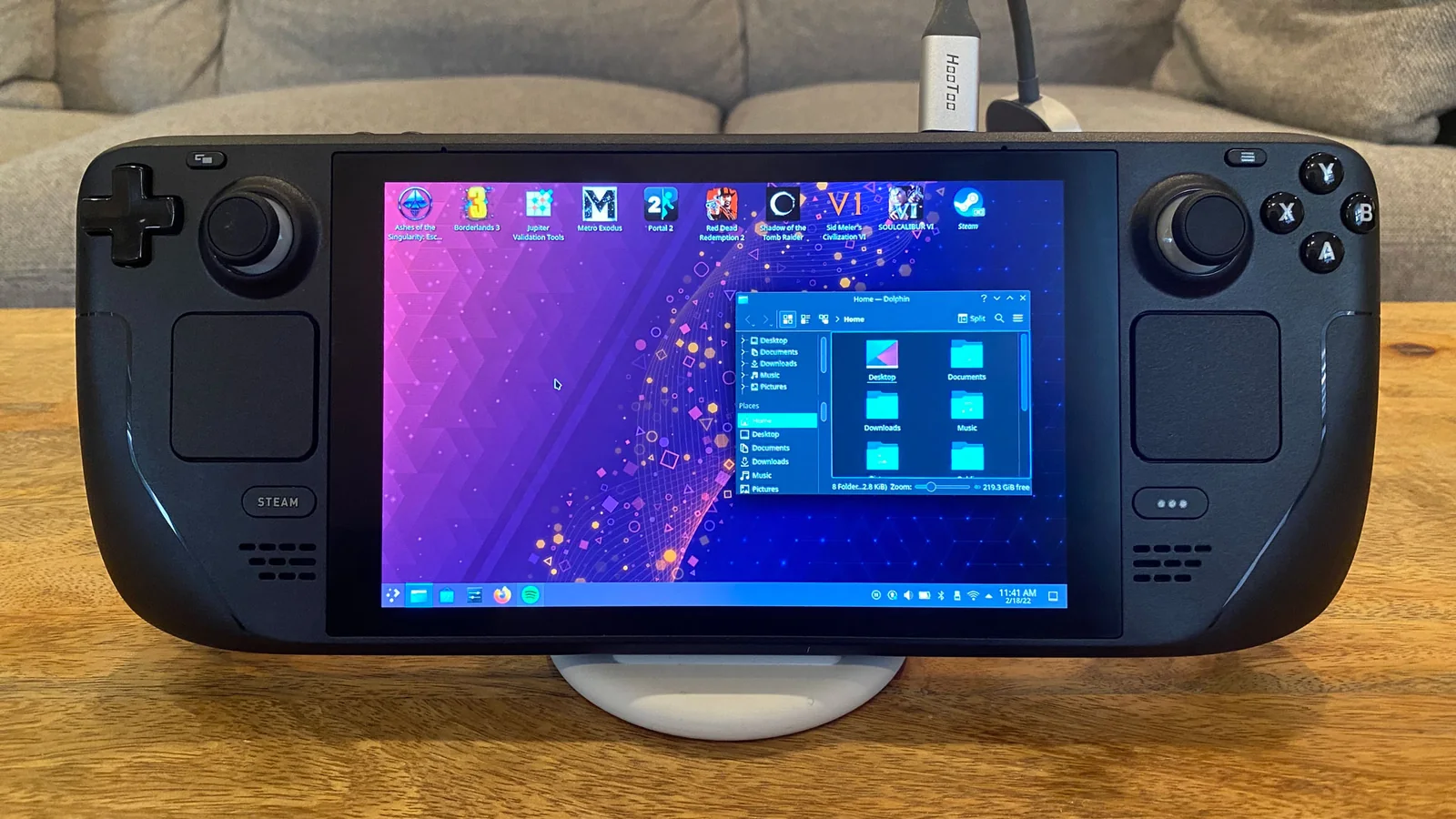
Distributions such as Bazzite, Nobara and CachyOS have established themselves as options for Linux gaming enthusiasts. The new Debian team is intended to investigate how Debian could become a more viable alternative for similar hardware.
The team’s primary responsibility will be to test Debian across different categories of gaming devices and record compatibility problems. These findings could help identify hardware that works correctly, devices requiring additional configuration and issues that may need software changes.
A secondary objective involves investigating patches and fixes for hardware-specific problems discovered during testing. Karamtoth also identified a broader technical challenge: providing Debian’s stable operating system experience on newer gaming hardware that may require more recent drivers, kernels or other components.
However, solutions to that challenge have not yet been announced. The team has not published a compatibility improvement schedule or committed to supporting particular devices by specific dates.
Karamtoth also raised the possibility of eventually creating a Debian Pure Blend specifically for gaming hardware. Such a configuration could provide a foundation for manufacturers and DIY enthusiasts building handheld gaming systems or other gaming devices with Debian and custom software preinstalled.
That proposal remains a longer-term possibility rather than an active development commitment. Karamtoth explicitly stated that creating a gaming-focused Debian Pure Blend is not currently one of the team’s primary objectives.
The Gaming Hardware Team will operate separately from Debian’s existing Gaming Team. Its initial responsibilities will not include general game package maintenance or packaging work unless those activities become necessary for hardware-specific tasks.
The distinction allows the new initiative to concentrate on gaming hardware compatibility rather than the broader software packaging responsibilities already handled within Debian.
For Linux gaming enthusiasts, the initiative arrives as work on the wider Linux platform continues. Developments such as AMD's proposed Linux CPU scheduling improvements illustrate how underlying operating system changes can affect the capabilities of modern PC hardware. Debian’s new initiative focuses specifically on understanding and addressing hardware support across gaming devices.
Participation is open to anyone interested in testing Debian on gaming hardware, including contributors who are not existing Debian project members.
Karamtoth has established the #debian-gaming-hw IRC channel for coordination and created a dedicated page on the Debian Wiki. He also plans to request a Matrix connection for the channel.
For now, the immediate goal is to gather hardware testing results, document compatibility limitations and investigate potential solutions. Whether that work eventually produces a dedicated gaming-oriented Debian configuration will depend on future development.
