


Activision has published a patent application describing an AI system that could train non-player characters (NPCs) to react like real gamers by learning from player voice conversations. The proposed technology would connect spoken reactions to specific gameplay events, allowing computer-controlled characters to produce similar responses during multiplayer matches.
The application, titled “Methods and Systems for Applying Machine Learning to Generate Gameplay Audio,” was published by the US Patent and Trademark Office on November 12, 2026, under publication number US20260355629A1. It builds on technology described in earlier Activision filings rather than introducing an entirely new concept.
The system is designed to capture player audio and associate it with events occurring during gameplay. For example, when a player eliminates an opponent, achieves a significant victory, or experiences another notable event, their spoken reaction could be matched with the corresponding gameplay data.
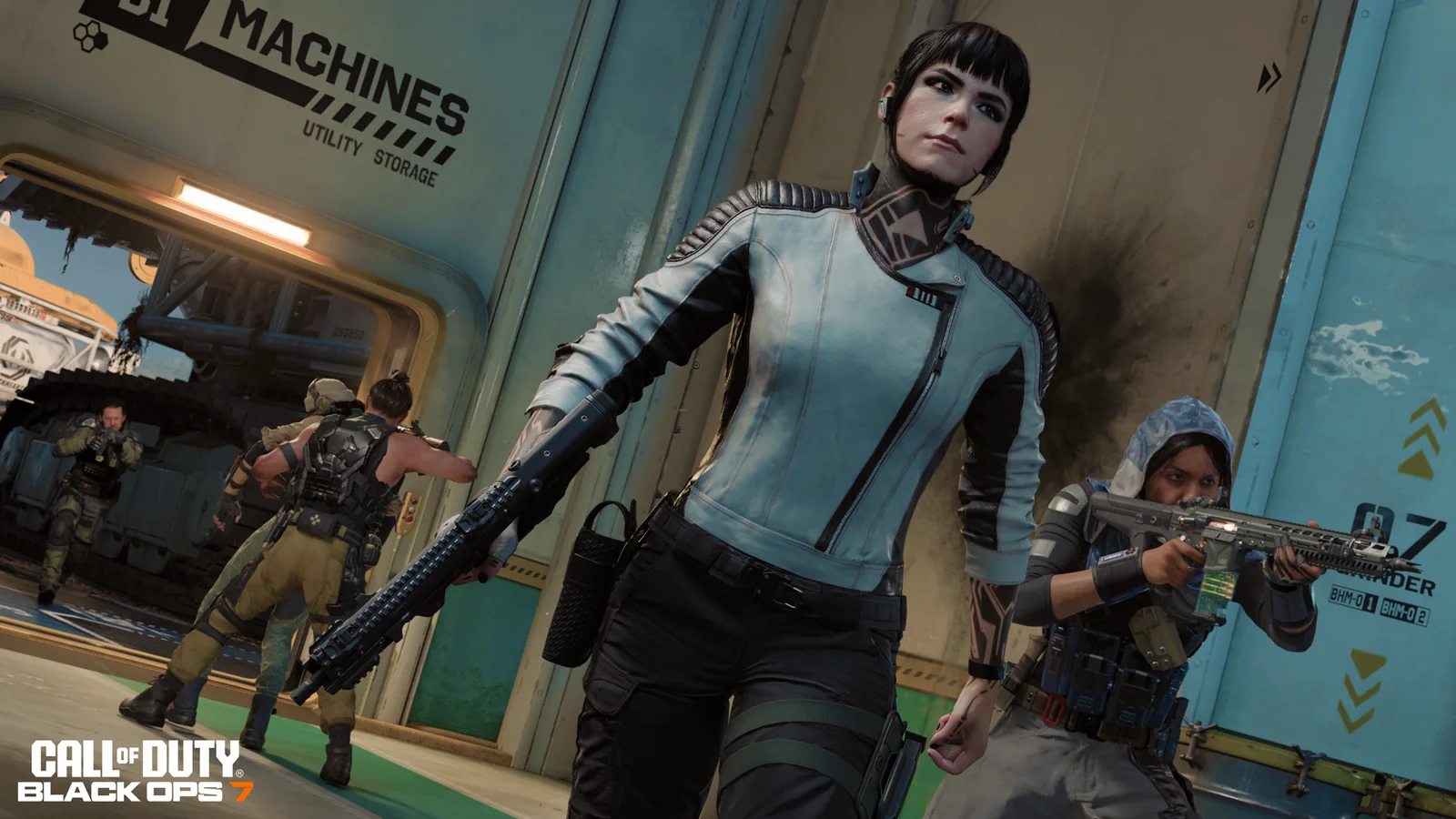
These recordings and event associations would then be used to train a neural network capable of generating appropriate audio responses for NPCs encountering similar situations.
One notable aspect of the patent is its approach to collecting voice communications. The documentation describes obtaining audio from applications operating independently of the game itself.
Examples include Discord, TeamSpeak, and Ventrilo, meaning the proposed system is not necessarily limited to a game’s built-in voice chat.
This raises questions about player privacy and how voice communications from external applications would be accessed, processed, and used for machine learning. However, the patent does not establish that Activision is currently recording private Discord conversations for this purpose.
The proposed technology also extends beyond enemy characters. Activision describes NPCs operating in cooperative or adversarial relationships with human players, potentially allowing both AI teammates and opponents to respond more naturally to events.
Additional features outlined in the patent include filtering generated audio and adapting responses based on player profiles. Language preferences could influence which responses are selected, while player feedback could help refine the system.
Although the technology could be relevant to multiplayer shooters such as Call of Duty, Activision has not announced plans to introduce it into any specific game.
The underlying invention has a longer history than the November publication. A related application was published in July 2024, and a patent covering the same general technology was granted in August 2026. The latest publication therefore represents a further development in Activision’s existing patent portfolio.
For now, the filing documents a proposed method for producing more human-like NPC dialogue, not a confirmed feature coming to Call of Duty or another Activision title.
