


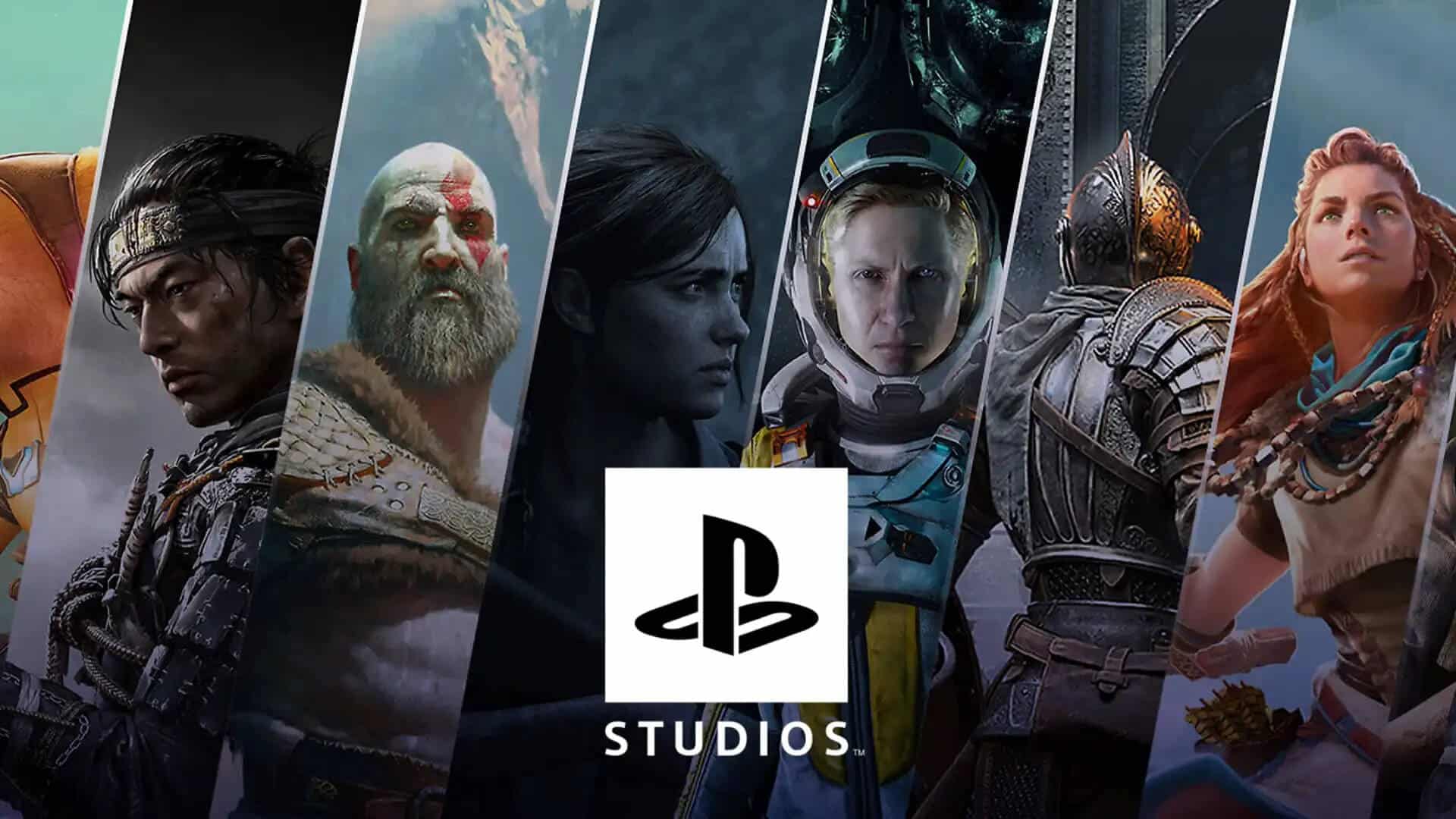
A new wave of debate is rippling through the gaming industry after reports that Sony may significantly scale back the release of its flagship PlayStation titles on PC. Surprisingly, a large portion of the PlayStation community appears to support the move—raising deeper questions about exclusivity, platform identity, and the evolving economics of the console market.
The shift in sentiment follows a series of reports indicating that Sony may return to a more traditional strategy: keeping its biggest single-player titles locked to the PlayStation ecosystem rather than bringing them to PC storefronts such as Steam.
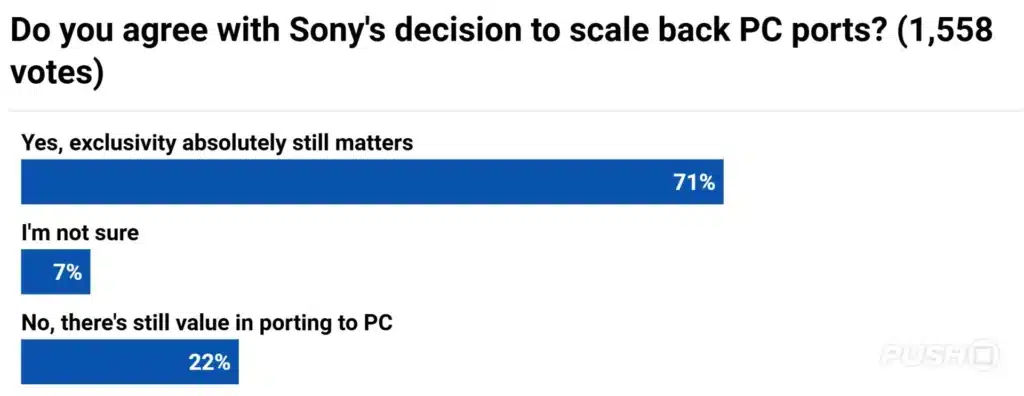
A recent fan poll conducted by the PlayStation-focused outlet Push Square suggests this approach is popular among core users. In the survey, about 71–72% of respondents said Sony was right to reduce PC ports, while roughly 21–22% opposed the move, with the remainder undecided.
For many longtime console players, exclusivity remains central to the PlayStation brand—an asset they believe has been diluted in recent years.
The origins of this debate stretch back to 2020, when Sony began experimenting with releasing some of its biggest titles on PC. The strategy started with Horizon Zero Dawn and eventually expanded to include major franchises like God of War, Marvel’s Spider-Man, Ghost of Tsushima, and The Last of Us Part I. The idea was simple: extend the lifespan of PlayStation games and generate additional revenue by tapping into the massive PC gaming market.
At first glance, the approach looked like a success. PC ports allowed Sony to monetize older titles years after their console debut while introducing new audiences to PlayStation franchises. The company even acquired the studio Nixxes Software in 2021 specifically to improve its PC porting pipeline. Yet internally, the strategy appears to have faced growing skepticism.
Industry reports now suggest that Sony executives became concerned about two major issues: the commercial performance of PC ports and the potential erosion of PlayStation’s value proposition as a hardware platform.
Several recent ports reportedly underperformed expectations, especially compared with the billions generated through Sony’s console ecosystem. In fact, PC releases have been estimated to account for around 1.5% of Sony’s total revenue, a surprisingly small contribution relative to the company’s broader gaming business.
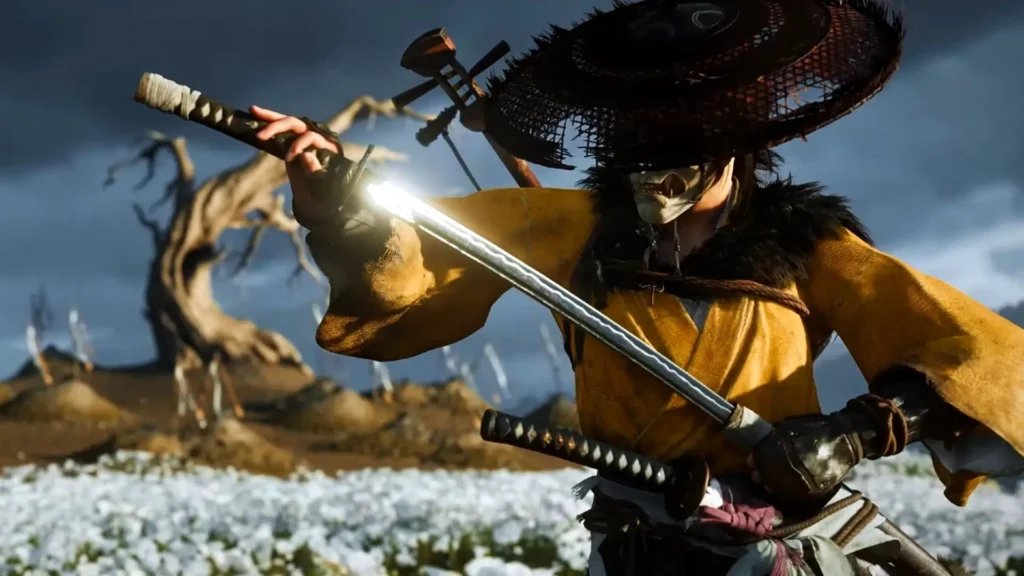
According to industry reporting citing sources familiar with the company’s plans, Sony has already scrapped PC versions of certain upcoming single-player titles, including the anticipated action game Ghost of Yōtei and Housemarque’s Saros. Meanwhile, multiplayer and live-service titles—such as Bungie’s upcoming Marathon—will likely remain multiplatform releases.
The distinction highlights Sony’s evolving strategy. Narrative-driven blockbuster games have historically been the main driver behind PlayStation hardware sales. Keeping those experiences exclusive helps justify the purchase of a PlayStation console—something many fans see as essential to the platform’s identity.
That perspective explains why the survey results are so striking. Among dedicated PlayStation users, exclusivity is not seen as restrictive but as a defining feature that differentiates Sony from competitors. In contrast, Microsoft has increasingly embraced a multiplatform approach, releasing its first-party titles across console, PC, and even rival platforms.
Still, the situation remains fluid. Analysts emphasize that the gaming industry is undergoing rapid structural change, from the rise of subscription services to rumors that future consoles may resemble PC-like ecosystems with multiple storefronts. In such an environment, platform strategy can shift quickly.
For the moment, however, Sony seems intent on reinforcing what made the PlayStation brand powerful in the first place: must-play games that exist primarily inside its own ecosystem. Whether that strategy strengthens the console’s long-term position—or simply leaves PC players behind—will become clearer as the next generation of blockbuster titles arrives.
More News:
Russian Player Banned From Marathon After Bypassing Sanctions, Bungie Rejects Appeal
