


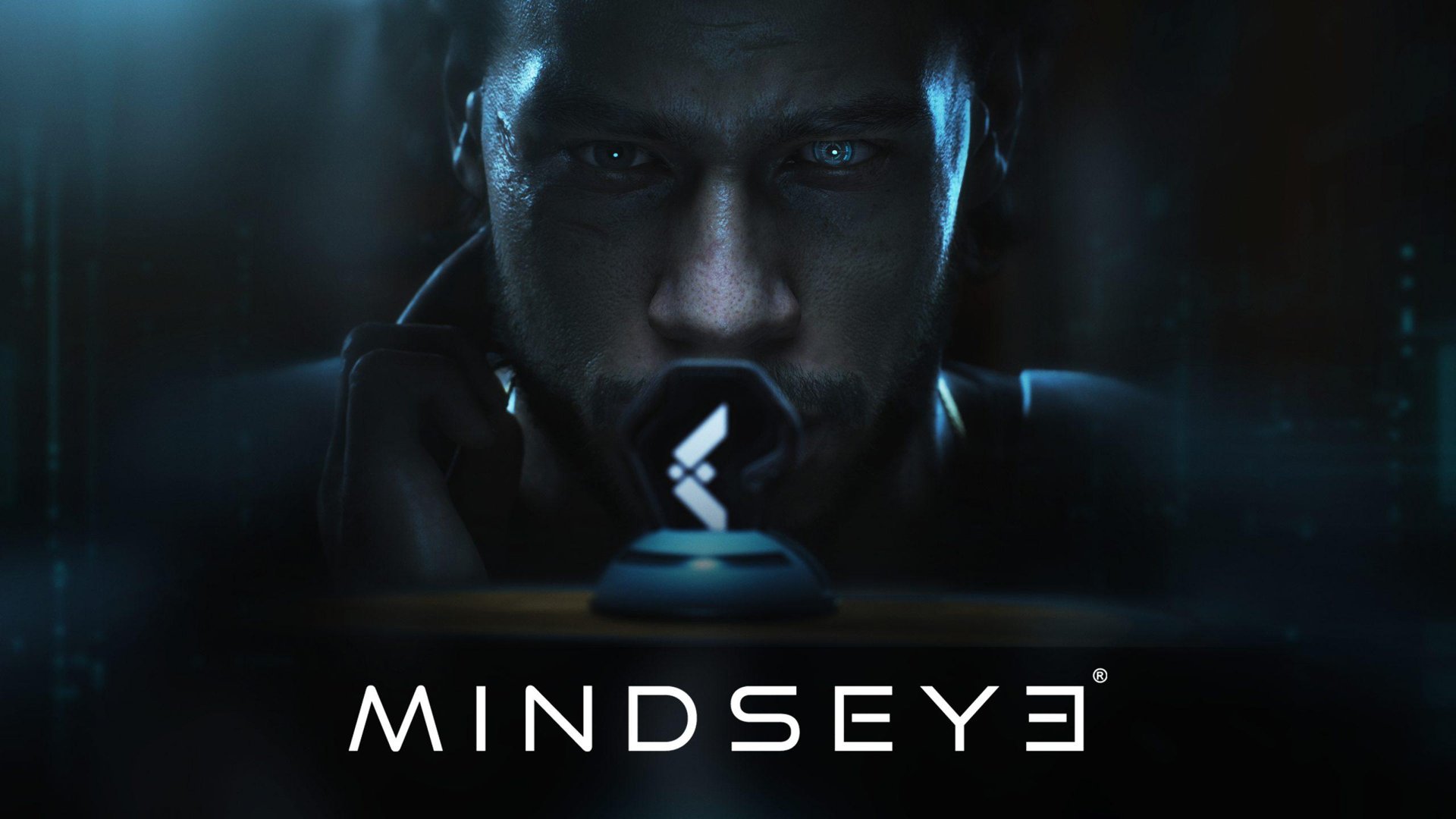
A group of unionized employees at Build a Rocket Boy (BARB), the studio behind the action game MindsEye, have initiated legal proceedings against the company. The workers allege that management installed “invasive” surveillance software on their devices without proper consent, violating UK data protection laws. This marks the second major legal confrontation between staff and leadership in under a year.
As reported by Gamesindustry.biz , the legal action, filed through the IWGB Game Workers Union, targets the studio’s use of Teramind, a monitoring tool capable of tracking keystrokes, capturing screens, and recording microphone audio.
According to a collective grievance signed by 40 staff members, the software was installed without prior disclosure. Following that grievance, management removed Teramind in March 2026. However, the union claims that BARB has since refused to disclose what data was collected, how it was stored, or the legal basis for its use.

Chris Wilson, a lead cinematic animator at the studio and union member stated:
“Build A Rocket Boy’s toxic culture of secrecy and micromanaging is one of the worst I’ve seen in a 20-year career in the gaming industry. While they have conceded to our headline demand of removing Teramind from our devices, many questions still remain about their actions.”
MindsEye launched on June 10, 2025, to critical disaster. The PC version holds a Metacritic score of 39, while the PS5 version sits at just 28, making it the lowest-rated “AAA-scale” release of the year. Shortly after launch, BARB entered a restructuring phase. By July 2025, approximately 300 employees, roughly half the workforce, were put at risk of redundancy.
In October 2025, the IWGB filed separate legal claims against BARB regarding the alleged mishandling of that redundancy process. Those ongoing claims include allegations of “unlawful blacklisting” and failure to conduct fair collective consultations.
CEO Mark Gerhard has publicly blamed the game’s failure on “organized espionage and corporate sabotage”, a claim that the union and former publisher IO Interactive have dismissed. The new surveillance lawsuit adds a second legal front.
The central question is whether Teramind’s capabilities crossed from legitimate security monitoring into unlawful surveillance.
Under the UK GDPR and Data Protection Act 2018, employers may monitor workers only if the monitoring is “proportionate,” transparent, and justified by a legitimate business interest. Secretly installing software that records audio and keystrokes in employees’ private homes is unlikely to meet that threshold.

In a leaked internal meeting cited in the legal filing, CEO Mark Gerhard and founder Leslie Benzies confirmed the software had been installed without workers’ prior knowledge. The IWGB argues that this practice “exceeds the legitimate remit of monitoring workers’ productivity.”
Legal experts note that failing to notify employees breaches Article 13 of the UK GDPR, which requires employers to provide transparent information about data processing.
First, according to the IWGB’s formal legal submission dated April 14, 2026, Teramind was active on at least 35 employee devices for approximately 10 weeks between January and March 2026. The union has submitted forensic logs to the Information Commissioner’s Office (ICO) suggesting that screen capture functions were enabled during that time.
Second, in a statement to Game Developer on April 18, 2026, an ICO spokesperson confirmed: “We have received a complaint regarding surveillance practices at Build a Rocket Boy and are making initial inquiries. Employers must ensure any monitoring is lawful, fair, and transparent.” The ICO can levy fines of up to £17.5 million or 4% of global turnover for serious GDPR violations.
The union is escalating through two channels: the ICO for data protection violations and the Advisory, Conciliation and Arbitration Service (ACAS) for potential unfair dismissal claims. A preliminary ACAS hearing is scheduled for May 12, 2026. If the ICO finds grounds for enforcement, BARB could face significant financial penalties alongside reputational damage that may deter future publishing partners.
For the wider games industry, this case tests how far studios can monitor remote workers. A ruling against BARB would likely force employers across the sector to rewrite their monitoring policies. As one union representative put it: “What happens in this studio will set a precedent for every other developer watching closely.”
More News:
A24 Announces Cast and Release Date for Elden Ring Adaptation
Silent Hill 2 Remake Developer Confirms Seven Horror Titles in Development
Uncharted 5 Reportedly in Development Before COVID-19 Disruption
