


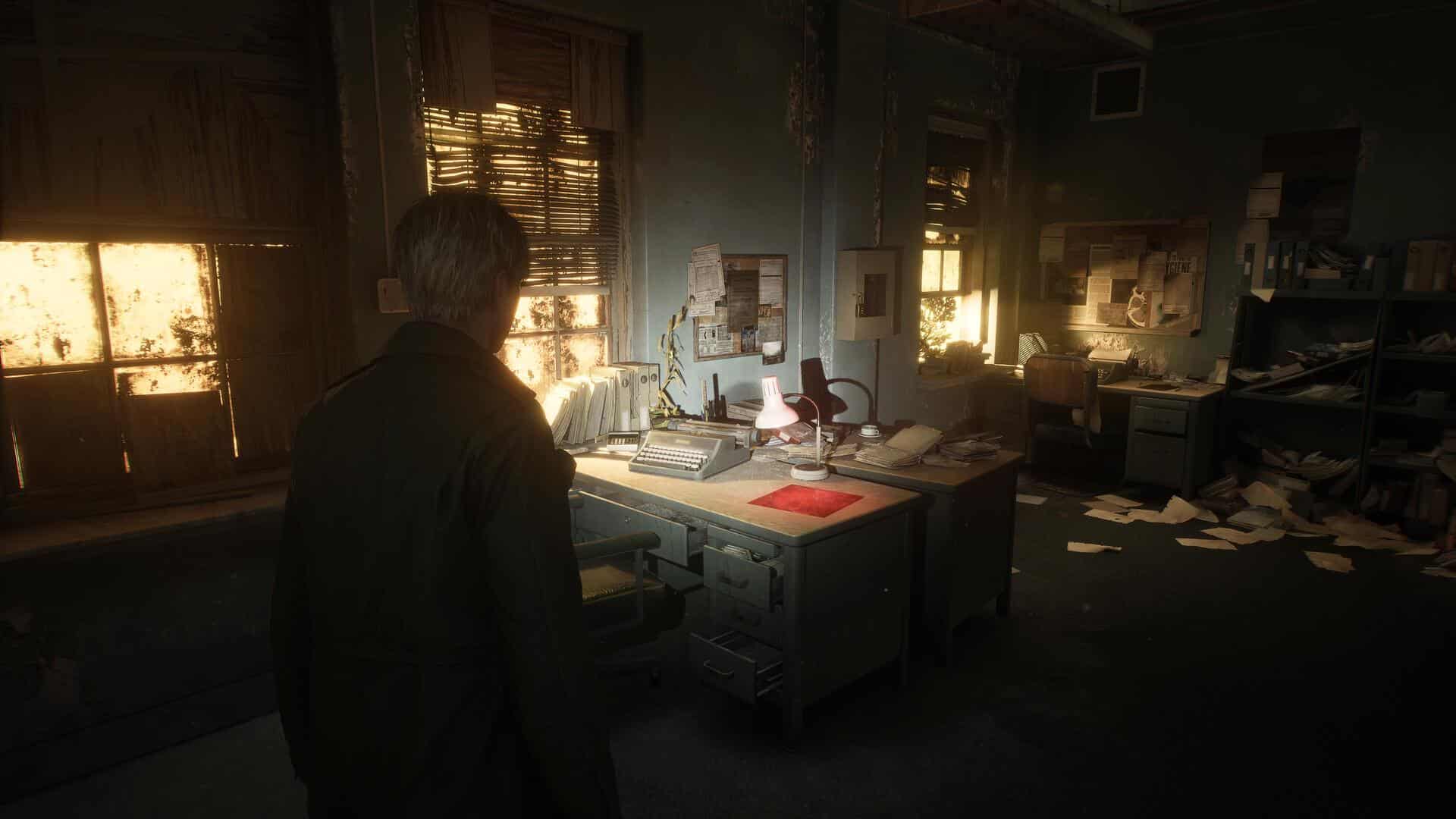
Bloober Team has reached a major inflection point in its evolution, with CEO Piotr Babieno confirming the studio is actively working on seven video game projects across its internal teams, subsidiaries, and external partners.
The announcement underscores a deliberate shift toward a multi-project development model, positioning the Polish studio to scale output while maintaining its focus on the horror genre.
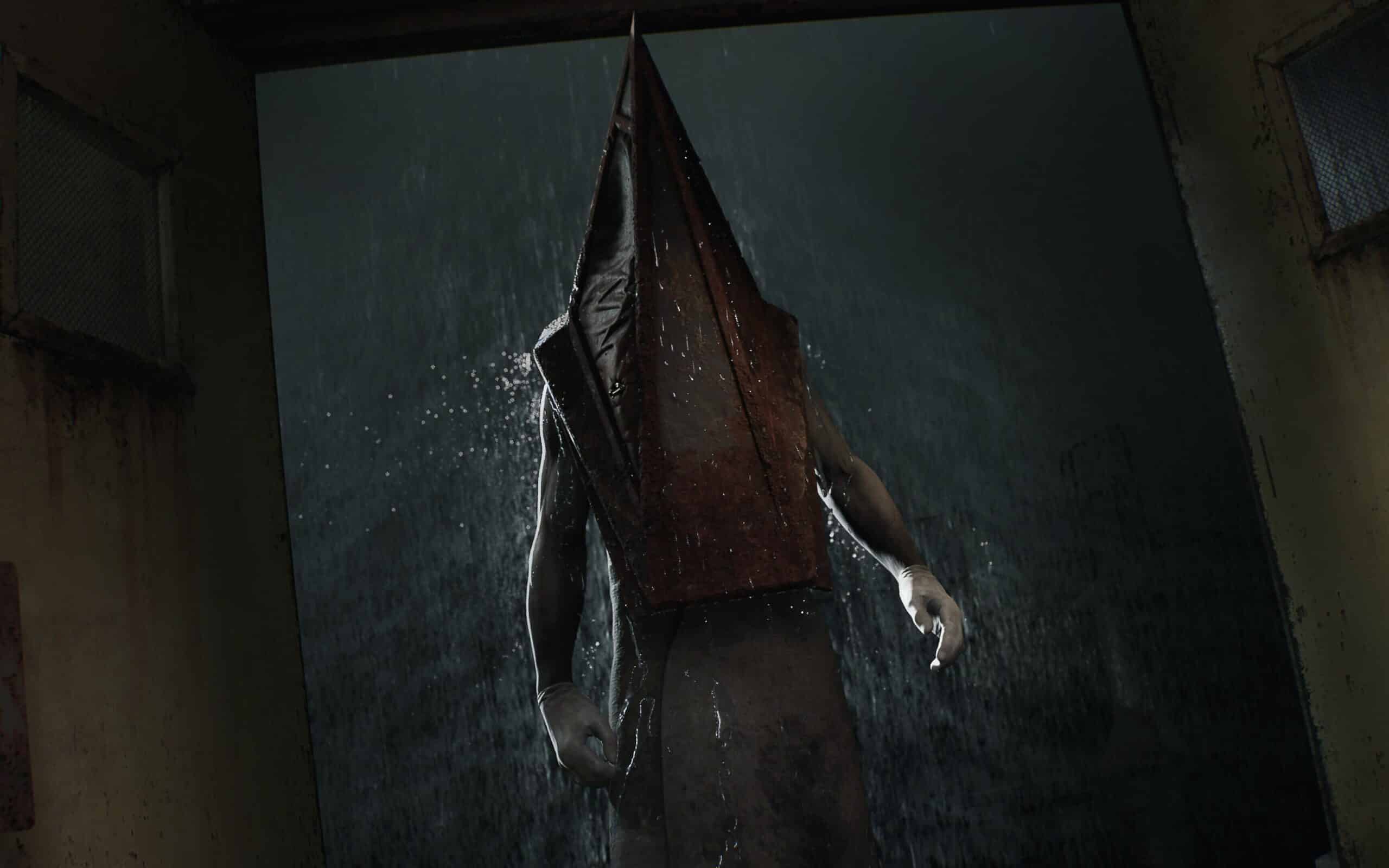
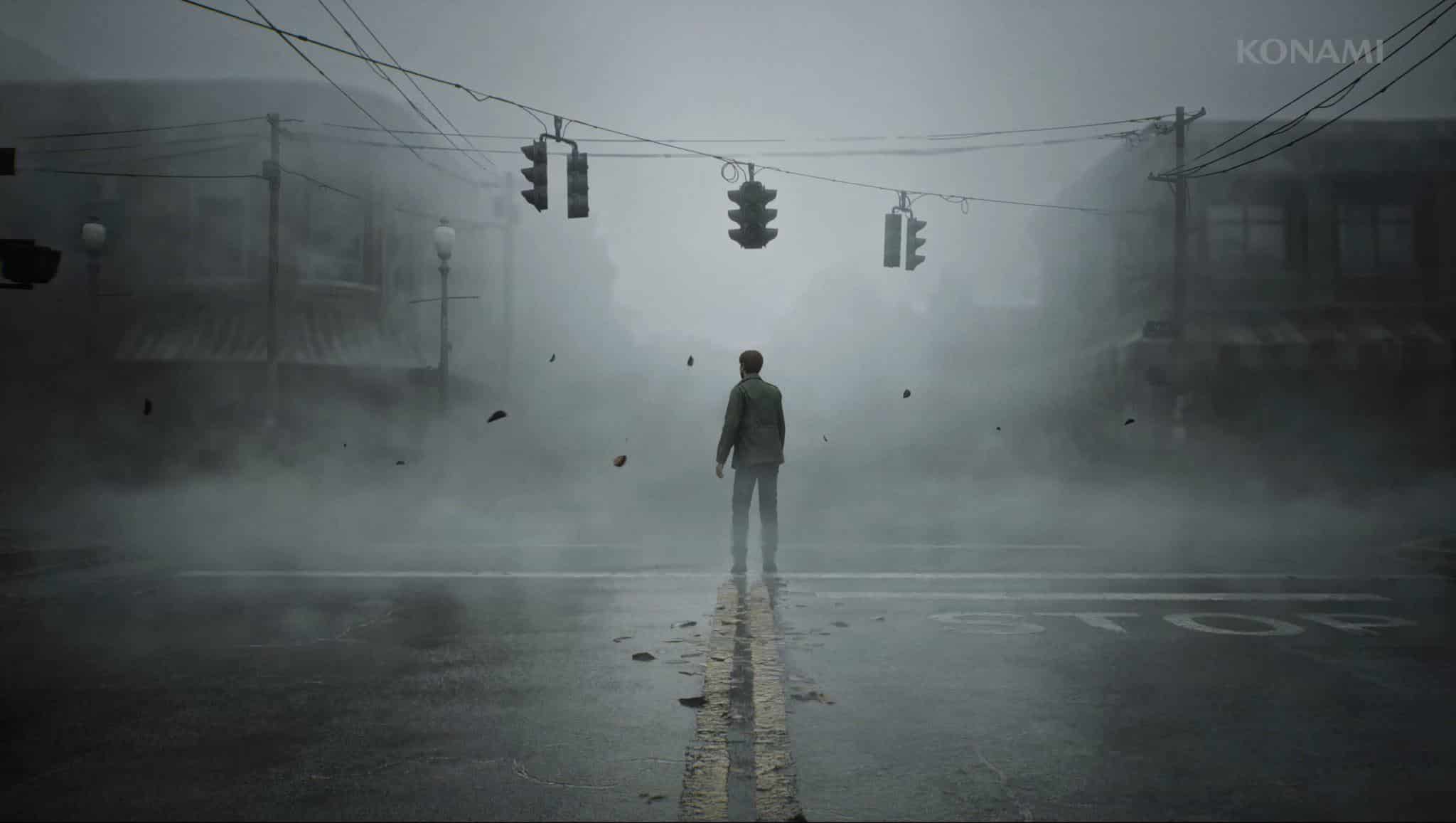
Founded in 2008, Bloober Team has built its identity through narrative-driven horror experiences such as The Medium and the successful Silent Hill 2 Remake. With around 250 employees and a growing network of subsidiaries—including its publishing arm Broken Mirror Games—the company has steadily expanded its operational capacity.
At the center of this strategy are two major internal productions. One is Cronos: The New Dawn, a sci-fi survival horror title that launched in September 2025 across PC, PlayStation 5, Xbox Series X|S, and Nintendo Switch 2, marking the studio’s most ambitious original IP to date.
The second is a remake of the original Silent Hill, which Babieno confirmed has officially entered full production following the success of the 2024 remake. While the project has yet to receive a full public showcase, it is no longer speculative and represents one of the studio’s key long-term releases.
The remaining five projects illustrate Bloober’s diversified pipeline. Among them is Project M, a Nintendo-focused horror title expected to release in 2026 under the Broken Mirror Games label. Another major project is I Hate This Place—previously known as “Project R”—a survival horror adaptation of the Skybound/Image Comics series, scheduled for release on January 29, 2026 after a short delay.
Additional projects include Project F, slated for 2026, and Project H, an ambitious internal title currently in earlier stages of development. The company is also involved in ongoing franchise work such as the Layers of Fear series, though reports suggest these entries are being handled with external partners rather than core internal teams.
This layered structure reflects a calculated business strategy. By separating flagship internal productions from co-developed and published titles, Bloober Team is distributing both creative and financial risk. The model allows the studio to maintain a steady release cadence while preserving focus on its highest-value projects. It also aligns with broader industry trends, where rising development costs have pushed studios to diversify pipelines and rely more heavily on partnerships.
However, scaling to seven active projects introduces operational challenges. Coordinating multiple teams, external studios, and publishing timelines increases the risk of delays and uneven quality—issues that have affected other studios attempting similar expansions.
Bloober’s leadership has emphasized a controlled approach, with Babieno previously noting the importance of limiting core productions to maintain quality while allowing other projects to progress through partnerships.
The significance of this expansion lies in Bloober Team’s ambition to establish itself as a leading force in horror gaming. With a mix of original IP, licensed adaptations, and platform-specific titles, the studio is building a portfolio designed for both creative influence and commercial stability.
If executed effectively, this seven-project pipeline could secure Bloober Team a long-term position at the forefront of the genre. But the coming years—particularly as more of these projects are revealed or released—will determine whether this ambitious structure delivers consistent success or stretches the studio’s resources too thin.
More News:
Uncharted 5 Reportedly in Development Before COVID-19 Disruption
Devil May Cry 5: ‘Devil Hunter Edition’ Listed For Switch 2
Treyarch Teases Return of Iconic Black Ops 2 ‘Plaza’ Map in Black Ops 7 Season 3
