



Ubisoft has halted game development at Red Storm Entertainment and laid off 105 developers, marking one of the most symbolic restructurings in the company’s history as it attempts to stabilize its finances and refocus its development strategy.
The North Carolina–based studio, founded in 1996 and long associated with the Tom Clancy brand and the Ghost Recon series, will not be shut down entirely. Instead, Ubisoft is converting Red Storm into a technical support hub, with remaining staff expected to focus on infrastructure and engine support, including work on the company’s proprietary Snowdrop engine.
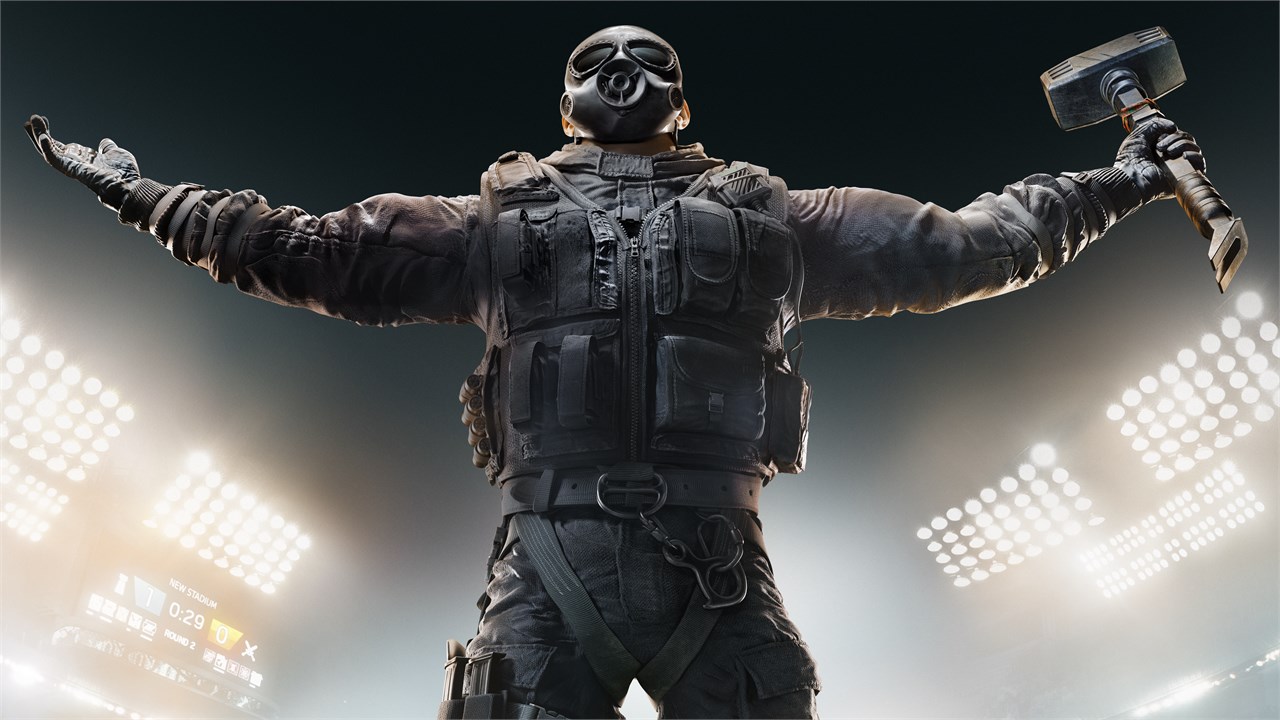
This decision arrives amid a sweeping corporate overhaul inside Ubisoft, which has been undergoing what executives describe as a “portfolio and organizational reset.” The publisher confirmed earlier this year that it has cancelled six games—including the long-troubled Prince of Persia: The Sands of Time remake—as part of a broader effort to concentrate resources on fewer, higher-impact projects.
At the center of this restructuring is a major shift in how Ubisoft organizes development.
The company has created semi-autonomous divisions known as Creative Houses, with the most prominent being Vantage Studios, a Tencent-backed entity responsible for Ubisoft’s largest franchises, including Assassin’s Creed, Far Cry, and Rainbow Six. Tencent invested €1.16 billion in the unit, valuing it at roughly €3.8 billion and giving Ubisoft a critical infusion of cash while allowing the Guillemot family to retain control.
This structural change helps explain why legacy studios such as Red Storm are being reassigned rather than expanded. Ubisoft’s leadership has made clear that future investment will be concentrated in centralized production pipelines supporting its biggest revenue drivers, leaving smaller or specialized teams to provide technical or live-service support.
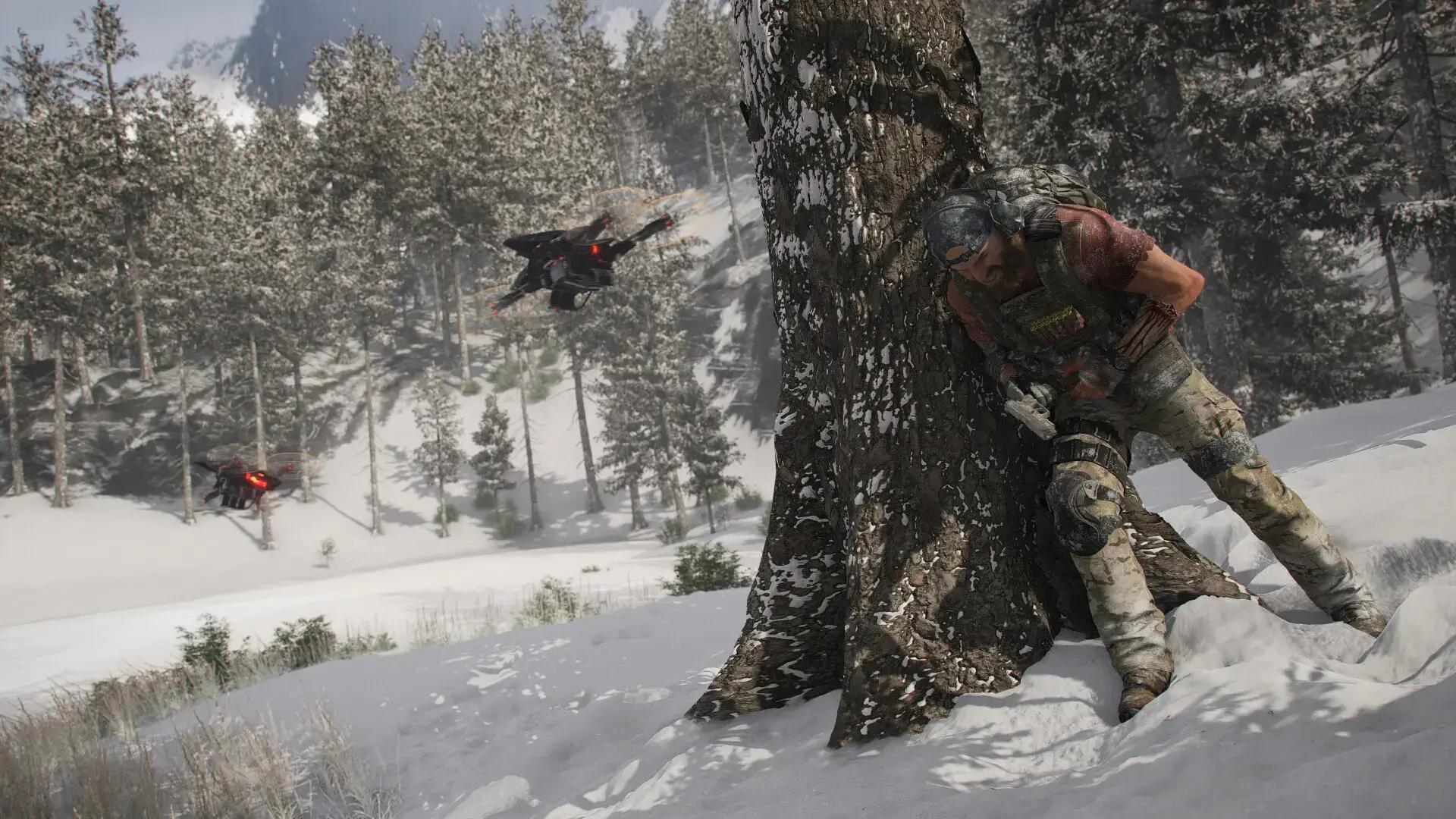
The financial pressures driving these decisions are substantial. Ubisoft has projected an operating loss of approximately €1 billion for the current fiscal year, reflecting restructuring charges, cancelled projects, and underperforming releases. The scale of the loss underscores how dramatically the company is reshaping its business after several years of delayed launches, rising development costs, and inconsistent sales.
For Red Storm, the shift marks the end of an era. The studio played a foundational role in early tactical shooters such as the original Rainbow Six and later contributed to major Ubisoft titles across the Ghost Recon, The Division, and VR projects.
While the company has not ruled out future involvement in development, its new mandate focuses primarily on technical and backend support rather than leading game production.
Industry analysts view the move as part of a broader trend across major publishers, who are increasingly consolidating creative control into fewer flagship teams while outsourcing or repurposing smaller studios. Ubisoft’s adoption of the Creative Houses model mirrors similar structural experiments at rivals attempting to manage ballooning AAA budgets and live-service demands.
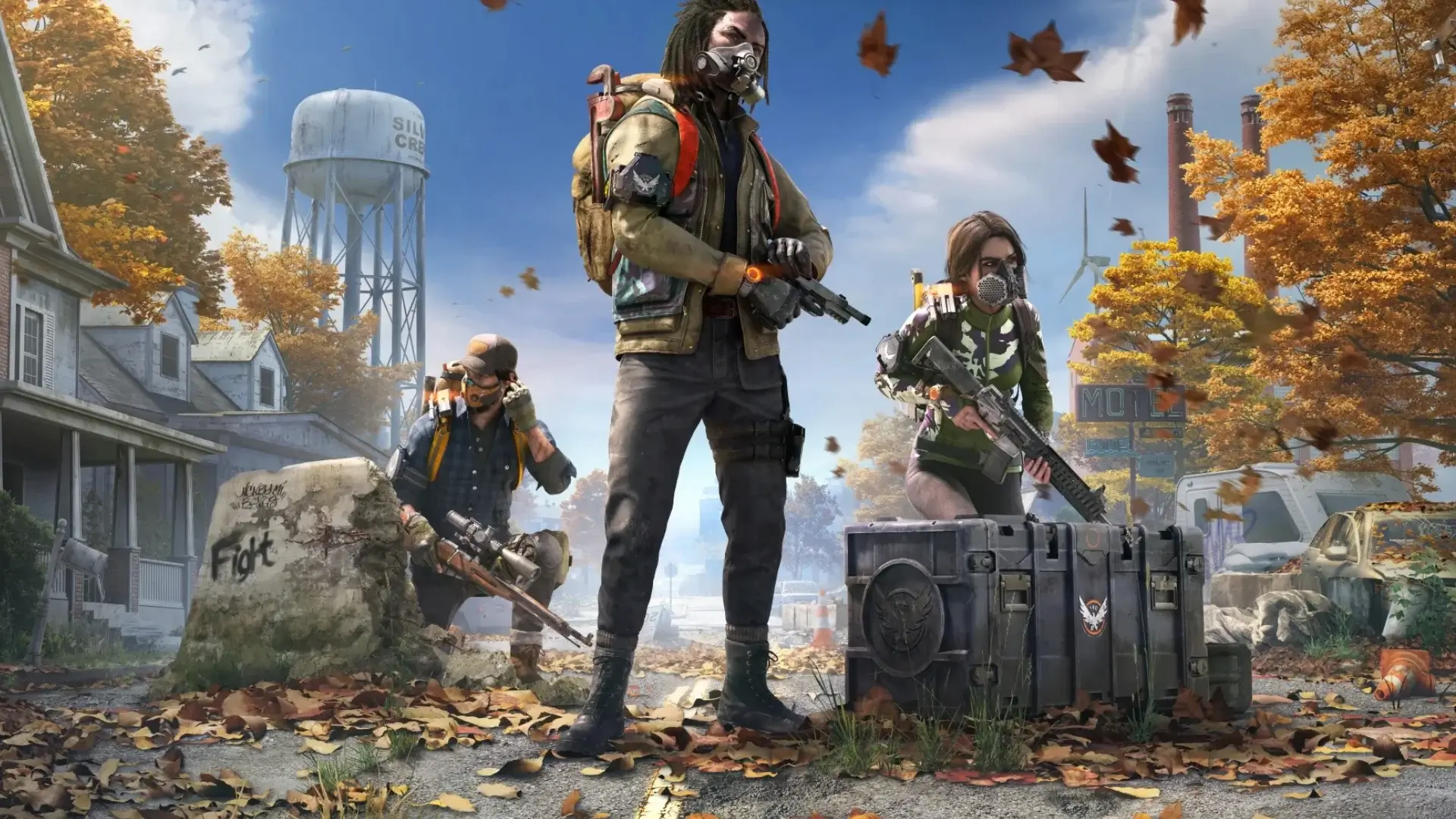
The Tencent partnership adds another layer of complexity. By placing its most valuable intellectual property into a dedicated subsidiary backed by external capital, Ubisoft has effectively ring-fenced its core revenue streams while allowing the rest of the organization to absorb restructuring and cost-cutting measures.
This approach provides short-term financial stability but has raised questions about long-term creative diversity and the future role of legacy studios within the company.
For employees, the changes reflect a broader contraction across the gaming industry, which expanded rapidly during the pandemic only to face slowing growth and higher interest rates in the years that followed.
Ubisoft alone has now cancelled multiple projects, reorganized its internal structure, and reduced headcount across several regions as it attempts to align costs with more conservative revenue expectations.
Looking ahead, Ubisoft’s success will depend on whether this centralized model delivers the blockbuster releases and live-service longevity it is designed to support.
If Vantage Studios can consistently produce high-performing entries in flagship franchises, the company may regain financial stability. If not, the dismantling of experienced development teams like Red Storm could be viewed in hindsight as a costly loss of institutional knowledge during one of the most turbulent periods in Ubisoft’s history.
More News:
ARC Raiders Devs Prioritize Player Exploration Over Just Shooting
Trump Administration and Iran War Contribute to 33% Decline at GDC 2026
Hardspace: Shipbreaker’s Developer Is Working On A New Sci-Fi Action Game In Unreal Engine 5
