


In a significant strategic reversal, Xbox CEO Asha Sharma has confirmed that the company is formally reevaluating its stance on game exclusivity, signaling a potential return to console-exclusive titles as a cornerstone of its hardware business.
In an internal memo sent to staff on Thursday, Sharma and Chief Content Officer Matt Booty outlined a new “master plan” for the brand. Within this document, the executive team made a pivotal admission:
“We will reevaluate our approach to exclusivity, windowing, and AI, and share more as we learn and decide.”
This statement marks the first major policy review under Sharma’s leadership, directly challenging the previous administration’s aggressive multiplatform strategy.
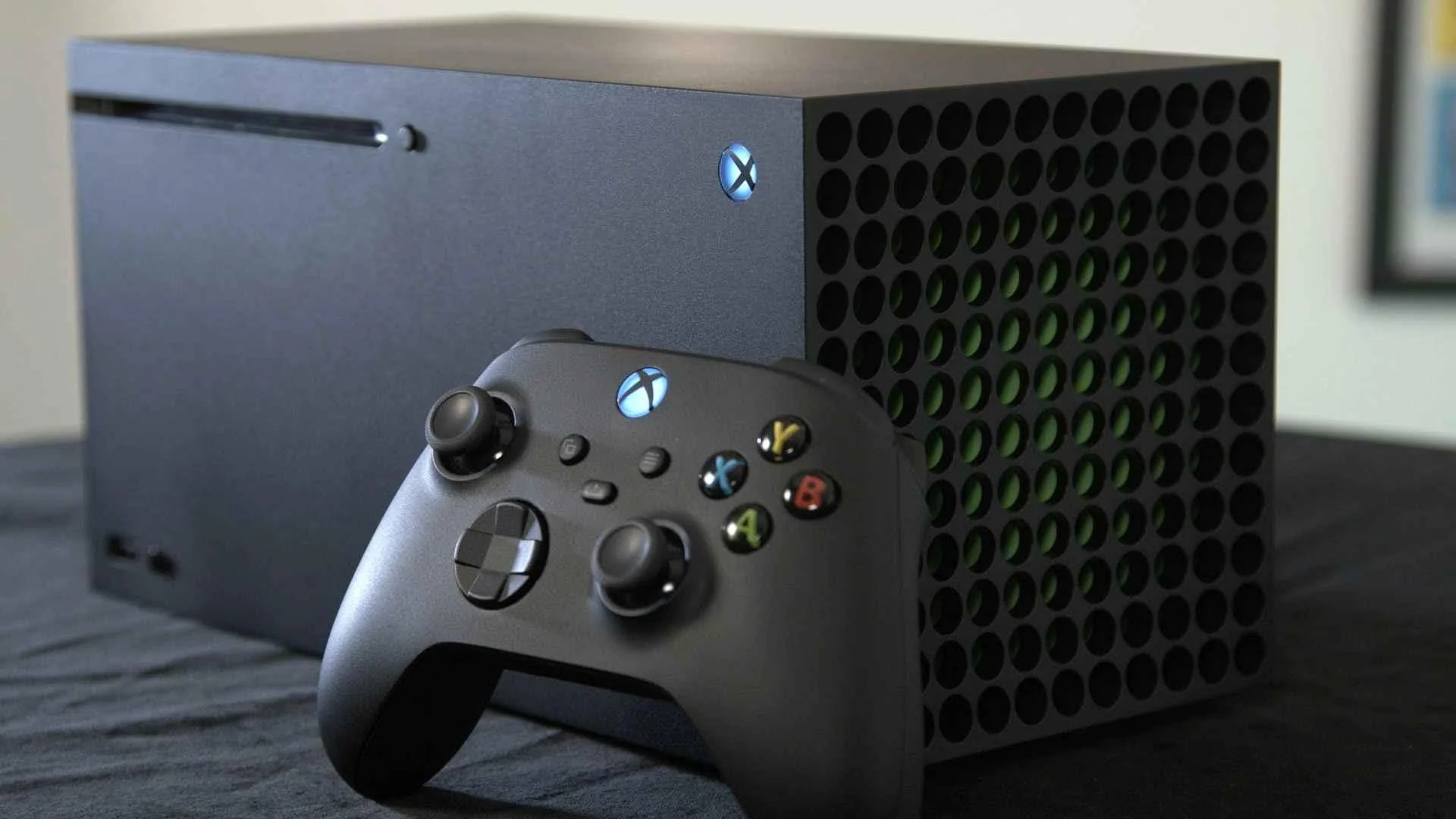
The announcement follows a turbulent period for Microsoft’s gaming division. Just two years ago, under former chief Phil Spencer, the mantra was that exclusive games were “going to be less of a factor” in the industry, leading to flagship franchises like Halo, Gears of War, and the upcoming Forza Horizon 6 being slated for PlayStation 5 releases .
However, this strategy appears to have backfired regarding hardware sales. Microsoft’s Q2 2026 earnings report revealed a staggering 32% year-over-year drop in Xbox hardware revenue, alongside a 9% dip in overall gaming revenue .
Sharma’s memo candidly admits that “players are frustrated,” citing that console feature drops have slowed and that pricing has become difficult for consumers to sustain . By bringing exclusivity back to the table, analysts suggest Xbox is trying to justify the existence of its next-generation hardware, codenamed “Project Helix,” rather than becoming a pure-play publisher competing with Sony on the PS5 .
The new leadership is abandoning the previous “ecosystem-first” approach, where Xbox was viewed as any screen (TV, PC, or phone), in favor of a hardware-centric revival. The memo confirms a rebranding shift away from “Microsoft Gaming” back to “Xbox,” emphasizing that while cross-platform releases generated short-term software revenue, they diluted the brand’s hardware identity .
As Sharma noted, the model that “got us here won’t be the one that takes us forward,” admitting that Xbox is currently a “challenger” rather than a market leader .
To rebuild trust, Sharma has pivoted the company’s “north star” metric from Game Pass subscriptions to daily active players . This shift suggests that while Game Pass remains vital—despite a recent 50% price spike that Sharma admitted was “too expensive”—the priority is now on engagement and exclusive content libraries rather than pure accessibility .
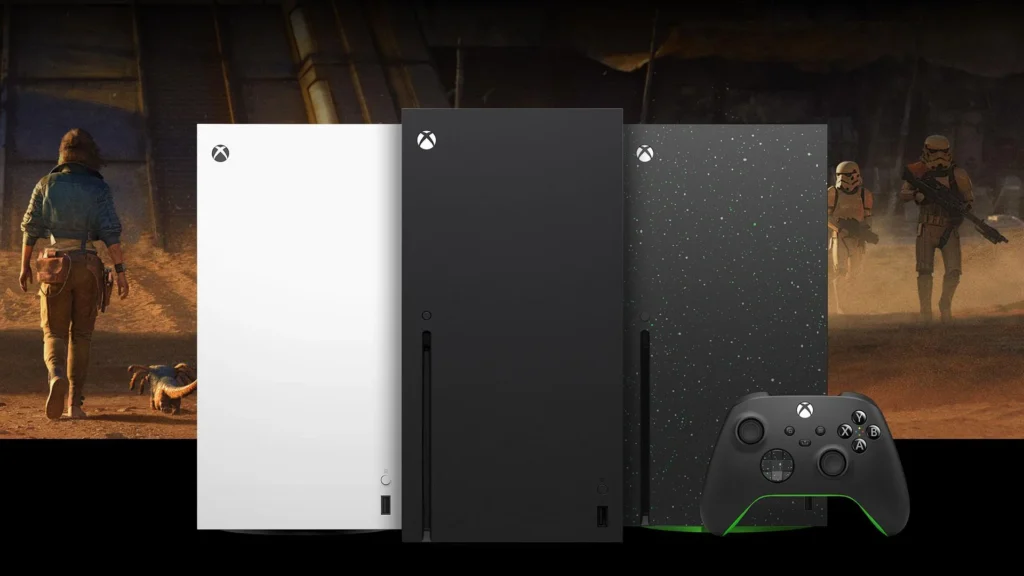
Moving forward, the industry expects a fractured release strategy. While major titles like Fable (due Autumn 2026) and Forza Horizon 6 (May 2026) are currently confirmed for PS5, future installments or unannounced IPs may return to a strict console exclusivity model to drive hardware sales .
For now, the review is ongoing, and no immediate policy has been changed. However, this public contemplation by Xbox leadership signals a definitive end to the “play anywhere” era, prioritizing the survival of the physical console over short-term software revenue. The final decision will likely determine the fate of the next-generation console war against Sony.
More News:
Ben 10 Collaboration Confirmed for Fortnite Launching April 24, 2026
MindsEye Studio Employees Sue Management Over Installing Secret Monitoring Software on Staff Devices
