


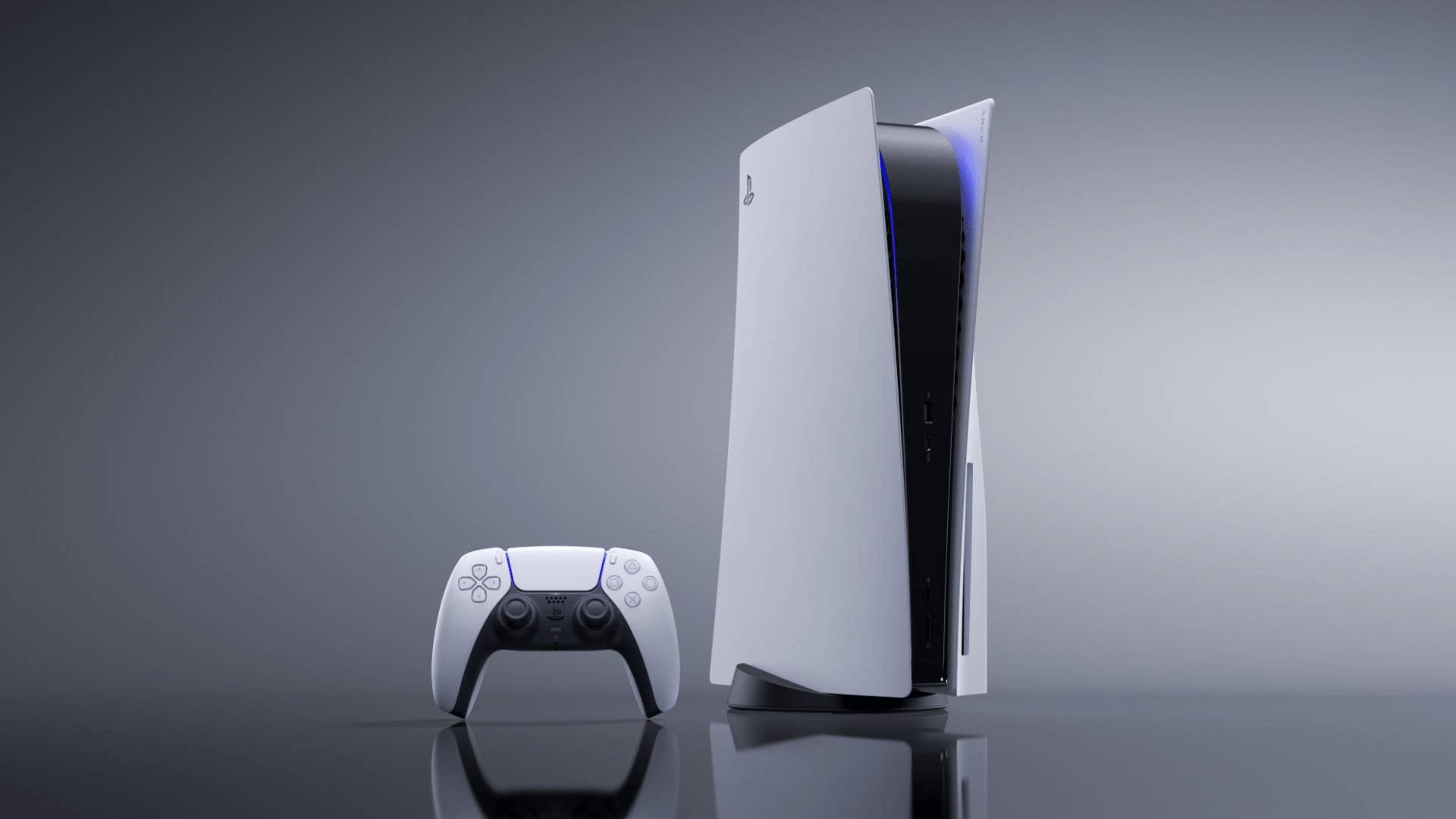
In a significant breakthrough for console modding, security researcher Andy Nguyen has publicly released a method to install Linux on the PlayStation 5, effectively transforming Sony’s flagship console into a functional gaming PC capable of running Steam titles.
The exploit, which was demonstrated running Grand Theft Auto V with ray tracing at 60 frames per second, leverages a patched hypervisor vulnerability to bypass the console’s native operating system restrictions.
The project, dubbed “ps5-linux,” allows the console to boot a full Ubuntu environment using Linux kernel. Once the environment is active, users can access the console’s full processing power—including its 8-core, 16-thread CPU and 2.23 GHz GPU—to play PC games and run emulators.
Nguyen released the toolchain and setup instructions on GitHub this week, moving the project from a theoretical proof-of-concept to a usable, albeit complex, reality for tech enthusiasts.
Despite the technical achievement, the modification remains strictly for hobbyists due to strict hardware requirements. The exploit currently works only on disc-based “Phat” PS5 models running specific older firmware versions, specifically 3.xx or 4.xx. Units updated to the latest 5.xx firmware are incompatible.
Furthermore, the operation is a “soft mod.” Unlike a permanent jailbreak, the Linux environment does not persist after a reboot; users must re-run the exploit every time they power on the console to access the PC functionality.
The performance capabilities, however, highlight the untapped potential of Sony’s hardware. When running Linux, the PS5 can support up to 4K resolution output, though the refresh rate is currently capped at 60Hz, with the possibility of 120Hz support in future updates. The mod also includes advanced features usually reserved for PC builds, such as custom VRAM allocation and granular fan speed control.

This development underscores a recurring tension in the gaming industry: the battle between closed ecosystems and open hardware. From a purely technical standpoint, the PS5 is an x86-based PC.
Nguyen’s work visually proves that once Sony’s software restrictions are removed, the $500 console can perform tasks typically reserved for gaming desktops, such as running the Windows version of Spider-Man at 1440p and 60 fps.
However, the consequences for standard users are severe. Jailbreaking the console violates Sony’s Software License Agreement and carries the risk of a permanent console ban from the PlayStation Network, effectively bricking the device for online gaming. Users are also warned that while the Linux install does not overwrite the native system, future official Sony updates could patch the vulnerability or cause compatibility issues.
Looking forward, Nguyen has indicated that while 120Hz support may be added, the development team will not prioritize support for newer firmware versions. For now, the PS4-era jailbreak scene serves as a precedent: while this Linux port will likely lead to emulation and homebrew on the PS5, it represents a niche corner for technically inclined owners of older consoles rather than a mainstream shift for current hardware.
More News:
Forza Horizon 6 Reveals Multiplayer Modes, Adds Spec Racing and Touge Showdown
No Selectable Hidden Blade in Assassin’s Creed Black Flag Resynced, Ubisoft Confirms
Battlefield 6 Adds Pre-Order Microtransactions Ahead of Season 3
