



In an extraordinary reversal, Fortnite developer Epic Games has conceded that disqualifying professional players for using drop calculators was an error. However, in a decision that has ignited a firestorm within the esports community, the company stated it is too late to reinstate the competitors into the current tournament.
On April 25, just hours before the start of the Fortnite Championship Series (FNCS) Major 1 Finals, several high-profile duos—including former World Cup champion Bugha—were disqualified. Epic alleged the use of unauthorized software, specifically “real-time drop calculators” that analyze Battle Bus routes to find optimal landing spots.
Following an immediate backlash from players and fans who argued the rules were ambiguous, Epic released a statement walking back the decision.
“We’ve realized there is legit confusion on whether Fortnite competitive rules allow for use of drop calculators,” the official Fortnite Competitive account stated. Epic admitted the confusion stems from outdated rulebook phrasing and confirmed that the disqualifications were a “mistake,” agreeing to expunge the violations from the players’ records.
Despite admitting fault, the competitive integrity of the tournament has suffered a significant blow. While Epic removed the bans from the players’ histories, it refused to restart the Finals or reinstate the competitors.
“Due to the tournament timing, the lobbies are now full for this event and it’s too late for them to continue,” Epic explained. This means that Bugha, Tragic, Kreaz, and others will miss the entirety of FNCS Major 1, including the upcoming $1 Million LAN Summit in Dusseldorf at the end of May.
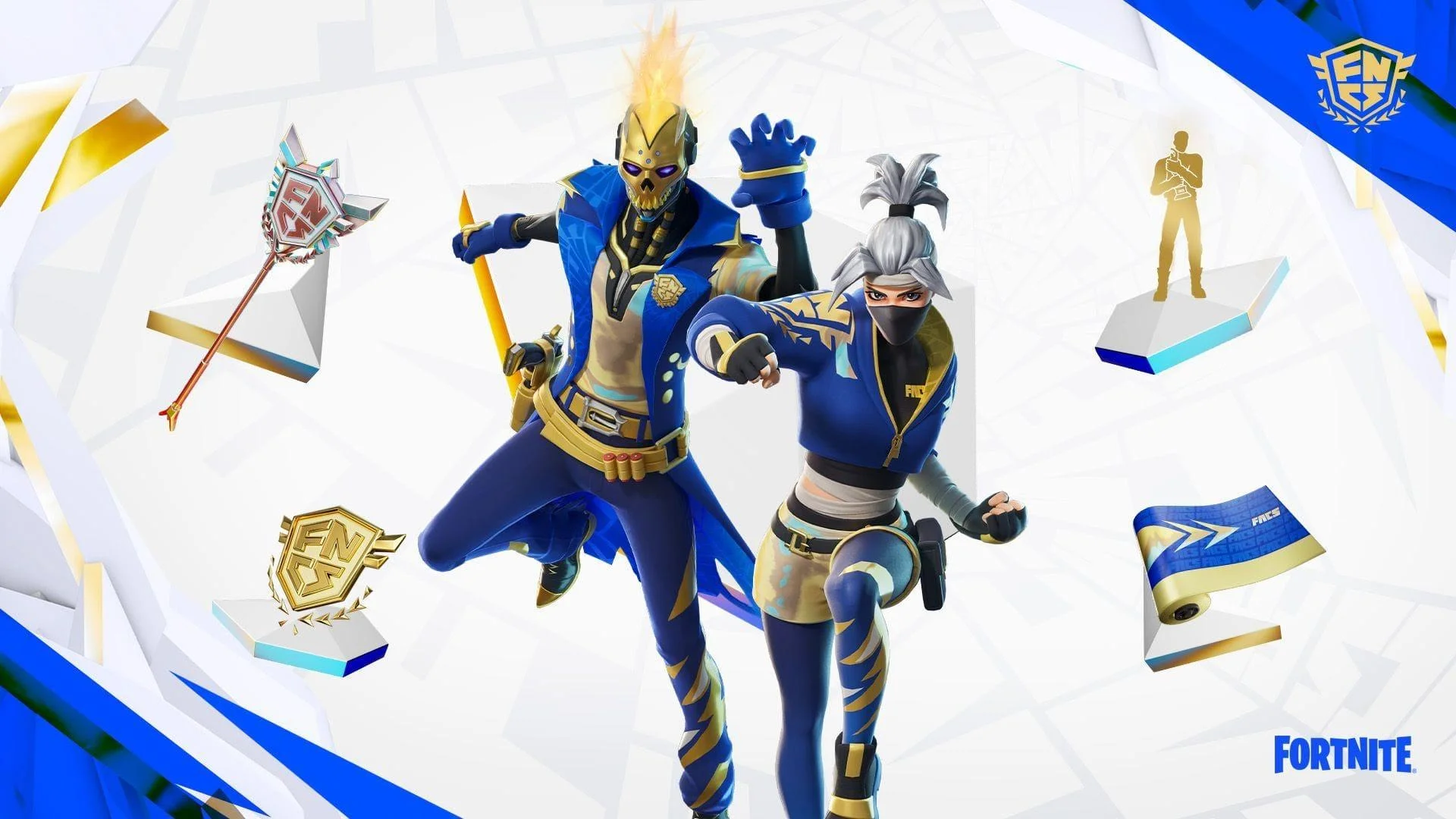
The ruling has sparked the “#RestartGrands” movement on social media, with community members calling Epic’s handling of the situation “the worst statement” in the game’s history . The controversy stems from a technological gray area: while static web-based drop calculators have long been permitted, the banned tools evolved to read the game’s live state via memory or overlays, which Epic now argues crosses the line into cheating.
Moving forward, Epic is closing the loophole. The company announced it will update the official rules to explicitly ban any tool with access to the real-time state of the game, including those using screen capture, network traffic, or memory reading.
This tough stance on external tools contrasts sharply with the company’s aggressive history against cheaters, which includes suing players to force public apologies and financial penalties for sharing accounts.
For the disqualified pros, the consequences are irreversible. Beyond losing the opportunity to compete for the current prize pool, their absence from the Major 1 Finals robs them of crucial qualification points for the year’s global championship. As the lobbies remain locked and the tournament progresses without its biggest stars, the incident serves as a painful lesson in the perils of vague rule enforcement in high-stakes esports.
More News:
Michael B. Jordan and Christopher McQuarrie to Adapt Battlefield Film
Xbox CEO Confirms Reevaluation of Game Exclusivity Strategy
Ben 10 Collaboration Confirmed for Fortnite Launching April 24, 2026
