



Xbox Cloud Gaming reportedly becomes unprofitable when an individual subscriber uses the service for more than around 15 hours per month, according to Windows Central executive editor Jez Corden. Corden says he was recently told by figures at Microsoft that the economics are being affected by the company’s growing demand for computing resources for artificial intelligence. Microsoft has not publicly confirmed that 15 hours represents a profitability threshold, so the claim should be treated as a sourced report rather than an official explanation.
The report arrives only days after Microsoft announced major changes to Xbox Cloud Gaming. Beginning in November 2026, Xbox Game Pass will introduce monthly cloud gaming limits, with Ultimate subscribers receiving 15 hours, Premium members receiving 10 hours and Essential members limited to five hours. Players who exhaust their included allowance will be able to purchase additional cloud playtime through the Xbox Store.
Microsoft’s official explanation for the restrictions is broader than Corden’s report. The company has said the cost of operating cloud gaming is increasing as usage grows and that introducing limits will help it manage the service sustainably. Xbox estimates that around 4% of Game Pass subscribers will be affected by the new caps, suggesting most members currently use cloud streaming for fewer hours than their plan will provide.
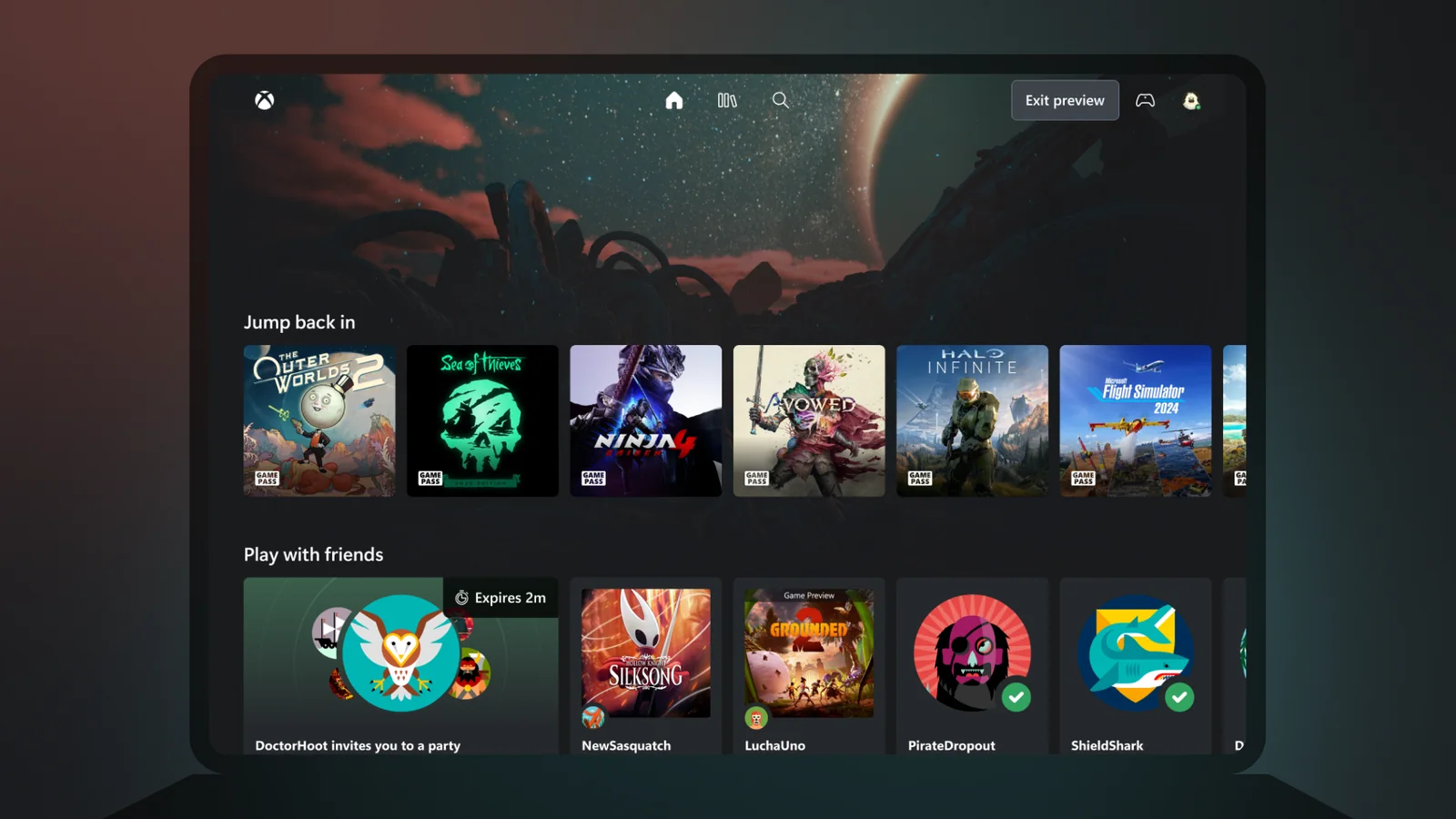
Corden’s reporting offers a possible explanation for why Microsoft settled on 15 hours for its highest Game Pass tier. He wrote that Microsoft sources told him Xbox Cloud Gaming is “effectively losing money” once usage extends beyond that point, specifically citing AI’s demand for computing capacity. That does not necessarily mean each additional hour produces a straightforward accounting loss, as Microsoft has not released the underlying costs, allocation model or margins behind the service.
The connection to AI matters because cloud infrastructure can serve competing workloads. Microsoft is investing heavily in Azure infrastructure and AI services, where high-end computing capacity, memory and data-center space have become strategically important resources. Corden reports that Xbox Cloud Gaming infrastructure can also be used for some AI workloads during off-peak periods, although the Xbox servers are not purpose-built AI systems.
Running game streaming infrastructure carries its own substantial costs. Cloud gaming requires servers to render games remotely and continuously stream video back to players, while hardware needs electricity, cooling, maintenance and eventual replacement. Longer individual play sessions therefore consume more server time than a subscription model built primarily around downloading games to local hardware.
That makes the November limits particularly significant for players who use cloud streaming as their primary way to access Xbox games. An Ultimate member using all 15 included hours would average roughly 30 minutes of cloud gaming per day over a 30-day month. Longer games could easily require several months of included allowances unless players buy additional hours, though Microsoft has not yet announced how much those extra-hour packages will cost.
The shift comes while Microsoft is simultaneously expanding where Xbox Cloud Gaming is available. The company has been pushing the service beyond consoles and PCs to televisions and other devices, including a recent rollout to select TCL smart TVs. That makes the introduction of strict usage limits notable, as cloud gaming has historically been presented as a way to access Xbox games without purchasing dedicated console hardware.
Microsoft’s official announcement also opens cloud access beyond traditional Game Pass subscriptions by allowing additional cloud playtime to be purchased separately. The company has not yet detailed pricing for those hours or exactly how the economics will differ between subscribers and users paying directly for streaming time. Those details will be important in determining whether cloud gaming is shifting toward a more usage-based business model.
Corden’s claim should therefore not be read as Microsoft formally admitting that Xbox Cloud Gaming loses money after precisely 15 hours. What is confirmed is that Microsoft will cap Ultimate subscribers at 15 included hours beginning in November and has acknowledged rising operational costs. The suggestion that AI compute demand makes usage beyond that point economically unattractive comes specifically from Windows Central’s reporting based on unnamed Microsoft figures.
If accurate, the report provides important context for one of Xbox Cloud Gaming’s biggest policy changes since launch. It would suggest the new limits are not simply designed to moderate unusually heavy users, but also reflect broader competition inside Microsoft for expensive data-center capacity as AI investment continues to grow.
