


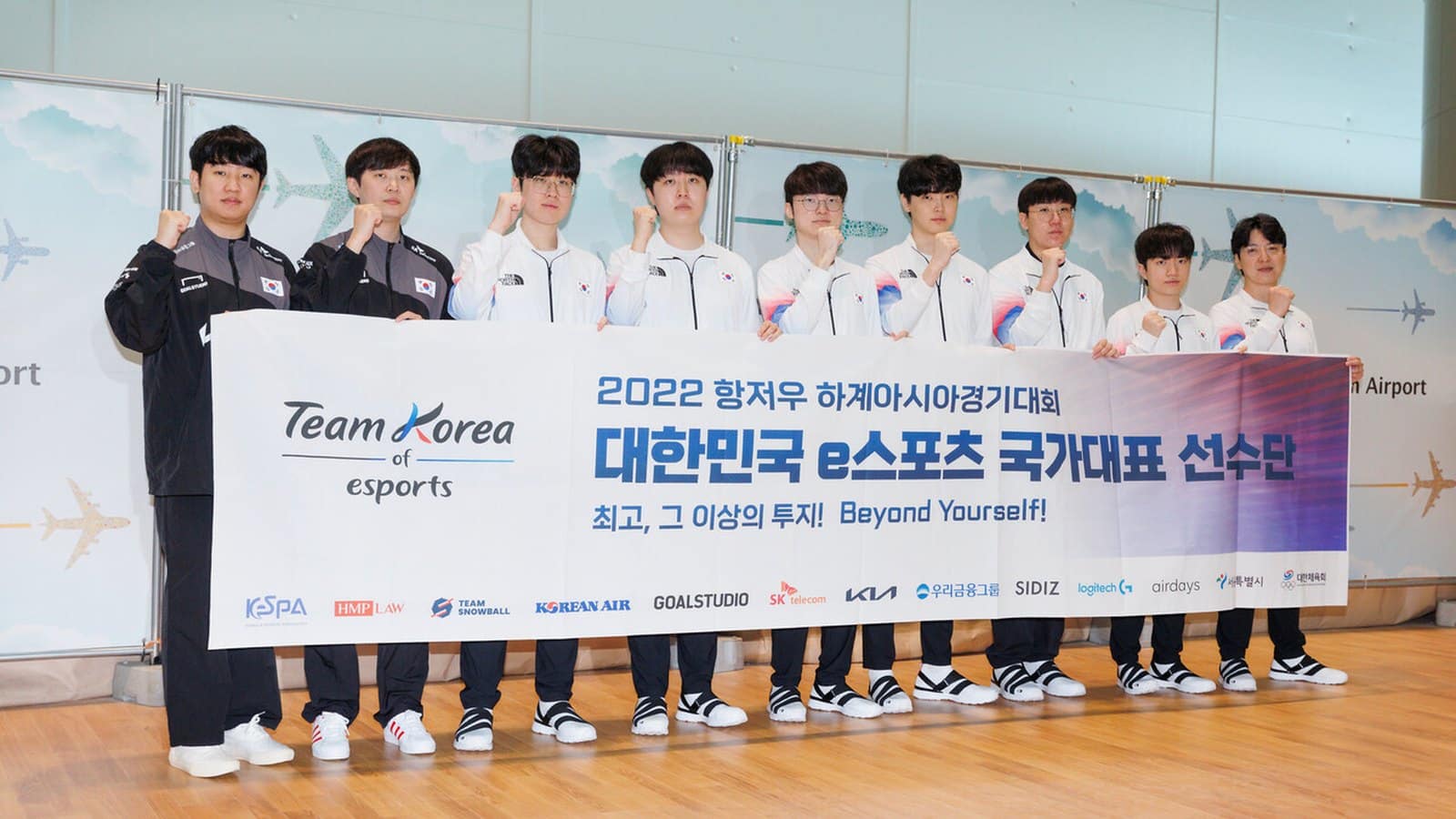
Representing a national team can place professional esports players under significantly different psychological pressure than ordinary competition, according to new University of Stirling research. The study examined ten South Korean professionals who competed at the 2022 Asian Games in Hangzhou, where esports became an official medal sport for the first time. While players described national representation as a major career honour, some also reported emotional difficulties that continued after the competition ended.
The research was conducted by Dr Hee Jung Hong and Dr Sungkyung Kim and published in the International Journal of Sport Policy and Politics under the title Institutionalising Esports: Professional Players and National Representation at the 2022 Asian Games. Researchers carried out almost 10 hours of in-depth interviews with the ten players, examining their experiences across qualification, preparation, competition and their return to normal professional life. The work used those interviews to identify recurring themes rather than attempting to measure pressure through a large statistical survey.
One of the clearest findings was that playing for South Korea changed how participants viewed the stakes of competition. Professional esports players are accustomed to high-pressure tournaments, large audiences and expectations from teams and fans, but representing a country introduced an additional level of responsibility. Participants described both pride and pressure arising from being recognised as national athletes rather than simply competitors representing a commercial esports organisation.
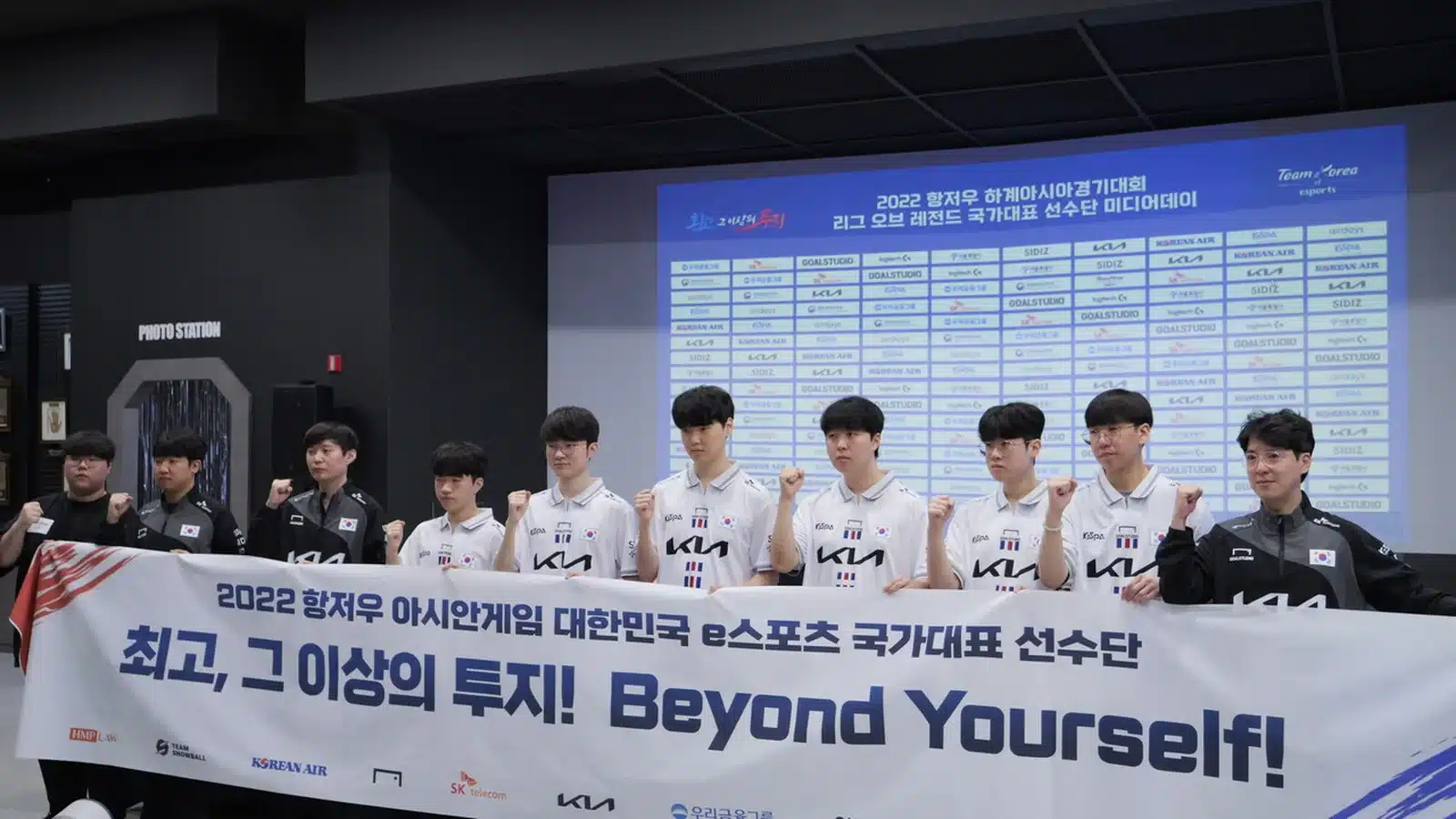
The Asian Games environment also differed substantially from players’ usual professional routines. Participants had to adapt to systems more commonly associated with traditional international sport, including anti-doping rules, residential training camps, greater public scrutiny and more extensive athlete support services. Many players responded positively to the psychological support, healthcare and performance analysis available during their preparation and competition.
However, the researchers found that the need for support did not necessarily end with the tournament. Some participants described continued emotional distress after returning from the Games, leading the study to highlight post-event wellbeing as an area requiring more attention. The authors argue that esports organisations and national governing bodies should consider longer-term psychological support rather than concentrating resources only on preparation and competition.
South Korea’s Korea Esports Association, or KeSPA, assisted with participant recruitment and was also highlighted positively by several players. The study points to its combination of psychological care, physical healthcare and performance services as a potential model for other national esports programmes. Researchers nevertheless argue that stronger governance and more consistent athlete-centred support will be increasingly important as esports becomes integrated into conventional sporting structures.
The findings arrive shortly before esports returns to the Asian Games in Aichi-Nagoya, Japan. The overall 2026 Asian Games run from September 19 to October 4, while esports competition is scheduled from September 23 through October 2 at Aichi Sky Expo. Eleven medal events are planned, covering titles including League of Legends, PUBG Mobile, Pokémon Unite, Honor of Kings, Gran Turismo 7, eFootball, Naraka: Bladepoint and several fighting games.
That represents a considerable expansion from Hangzhou, where esports debuted as a full medal sport with seven events and 475 competitors from 30 nations. The larger 2026 programme means more professional players will face the transition from representing clubs or organisations to competing under their national flags. The Stirling researchers argue that sporting institutions need to account for the psychological consequences of that change as esports’ role within international competition grows.
The study does not suggest that national-team competition is inherently harmful. Participants frequently described the Asian Games as prestigious and meaningful, while also valuing the additional support available to them. Instead, the findings show that the combination of national expectation, unfamiliar sporting structures and heightened public attention can create demands that differ from those players encounter during normal professional esports seasons.
Hong and Kim argue that player welfare systems should therefore develop alongside esports’ continued professionalisation. As national federations, governments and major sporting organisations become more involved in competitive gaming, players may increasingly be treated like conventional elite athletes while still operating within an industry with different career structures and support systems. The researchers say maintaining psychological and physical support after major competitions will be particularly important as international esports events continue to grow.
