



Microsoft is expanding Advanced Shader Delivery to Nvidia GeForce RTX and Intel graphics hardware, broadening its attempt to eliminate long shader-compilation waits and related stutter in PC games. Gears of War: E-Day is the first title demonstrating the technology across the wider Windows 11 hardware ecosystem, with Microsoft saying first-launch shader compilation falls by approximately 95% when the feature is active. Instead of waiting several minutes, supported PCs can complete the process in just a few seconds.
Advanced Shader Delivery, or ASD, works by supplying precompiled shaders alongside a game download rather than leaving the player’s CPU to build them locally during the first launch or gameplay. That can shorten startup delays while also reducing stutter caused by shaders being compiled at runtime. Microsoft had already opened Advanced Shader Delivery to Direct3D 12 developers, providing studios with the tools needed to generate and distribute the required precompiled shader data.
AMD hardware received support earlier, with Microsoft expanding ASD across the RDNA 1, RDNA 2, RDNA 3, RDNA 3.5 and RDNA 4 architectures. Radeon users need AMD Adrenalin 26.6.1 or newer, while Qualcomm Snapdragon X2 systems are also supported with graphics driver version 2026.08.3 or later. Microsoft says the next stage of the rollout will arrive later in October and significantly increase the number of Windows gaming systems that can use the feature.
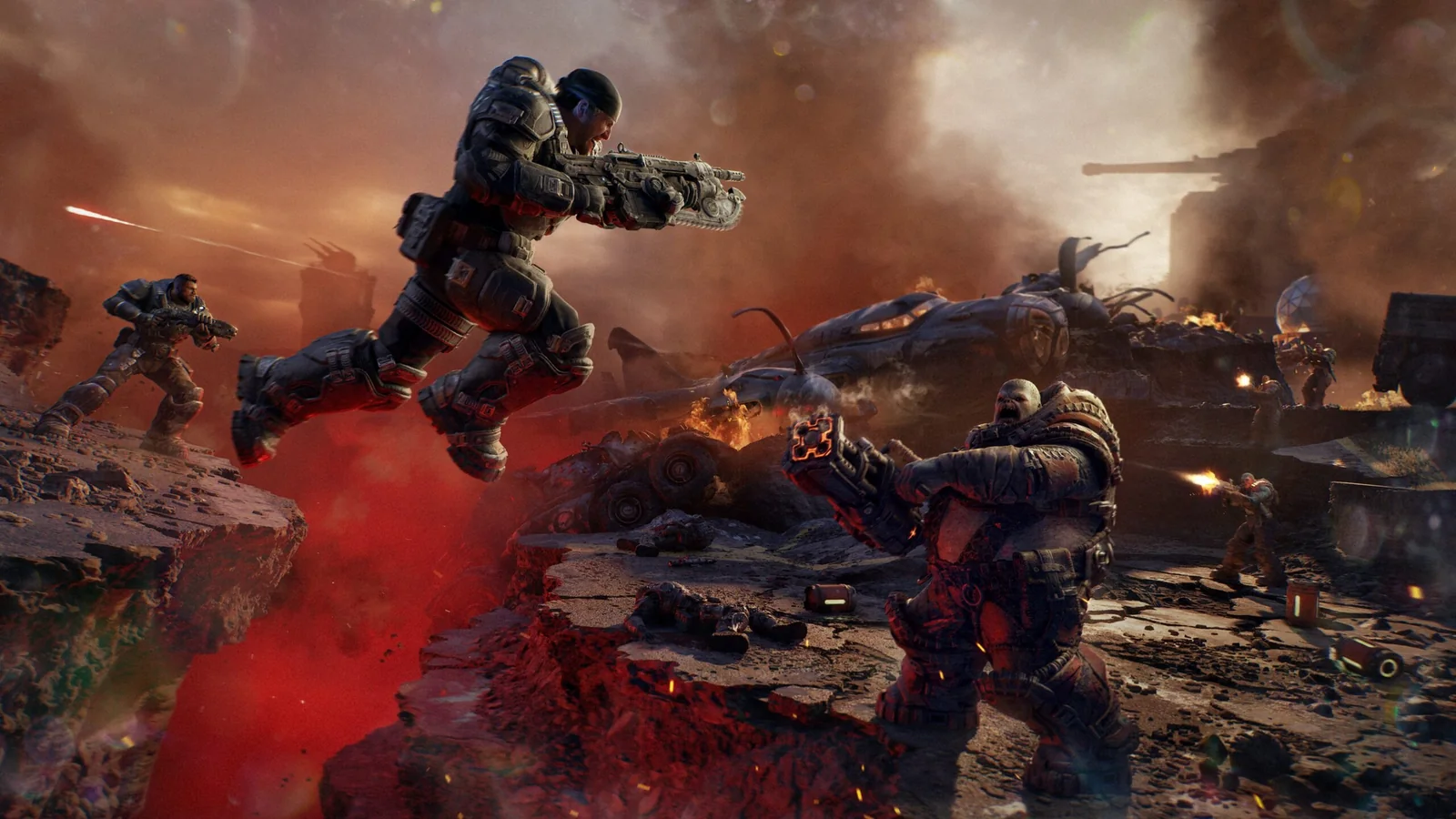
On Nvidia hardware, support will cover all GeForce RTX GPUs as well as RTX Spark. Intel support is more limited initially, covering Arc B570 and B580 discrete graphics cards alongside the integrated graphics found in Core Ultra Series 2 and Core Ultra Series 3 processors. Microsoft has not given a more precise date for the Nvidia and Intel rollout beyond saying support will arrive later this month.
Gears of War: E-Day provides Microsoft’s first major demonstration of the system. According to the DirectX team, shader compilation on a typical PC without ASD can take several minutes, while a supported configuration using precompiled shaders reduces that process to only a few seconds. Microsoft puts the improvement at roughly 95%, although that figure specifically refers to shader-compilation time rather than total game loading time.
The timing makes the feature particularly relevant for players preparing for the game’s wider October 6 launch. Gears of War: E-Day's final PC specifications have already been published, and Advanced Shader Delivery adds another platform-level optimization for supported Windows 11 systems. When ASD is functioning, the game’s launch window displays a “Precompiled shaders installed” message confirming that the appropriate shader package has been delivered.
There is currently an important distribution requirement. Microsoft says players must install the Xbox PC app before downloading Gears of War: E-Day to receive Advanced Shader Delivery support. The company has not announced equivalent ASD delivery for the Steam version, so the feature’s initial implementation remains tied to Microsoft’s PC distribution infrastructure.
Gears of War: E-Day is also intended as the beginning rather than a one-off demonstration. Microsoft has confirmed that Call of Duty: Modern Warfare 4 will support Advanced Shader Delivery, with additional titles planned beyond those currently named. Developers can generate the required precompiled shader databases using Microsoft’s State Object Database workflow and hardware-vendor compiler plugins.
Shader compilation has become an increasingly visible PC gaming problem as modern titles rely on larger and more complex shader libraries. Some games force players through long compilation screens before playing, while others build shaders during gameplay and risk noticeable frame-time spikes. By shifting more of that work to precompiled packages delivered ahead of time, Microsoft is trying to make shader handling a platform feature rather than a problem every individual PC has to solve after installation.
The expansion to Nvidia and Intel matters because it moves ASD beyond its earlier AMD-focused rollout and onto a much broader portion of the Windows gaming market. Its long-term impact will depend on how many developers adopt the system and whether support expands beyond the Xbox PC app, but Gears of War: E-Day provides Microsoft with its first large-scale example of how dramatically precompiled shader delivery can reduce first-launch waiting times.
