



NVIDIA is reportedly accelerating plans to launch a GeForce RTX 5080 with 24GB of GDDR7 memory, potentially bringing the graphics card to market as early as December 2026. A new supply-chain report points to January 2027 as the expected release window, with the upcoming model potentially replacing both the existing RTX 5080 16GB and RTX 5090 D V2 in China.
The information comes from ChannelGate, a Chinese graphics card distribution source associated with Board Channels. In an October 30 post, ChannelGate claimed that NVIDIA is moving forward with the 24GB model while preparing to end supplies of its current high-end GeForce cards to the Chinese market. NVIDIA has not officially announced the RTX 5080 24GB or confirmed any changes to its existing product lineup.
The latest timeline narrows an earlier report from Taiwanese publication BenchLife, which indicated that NVIDIA was targeting the first quarter of 2027. That report, published earlier in October, suggested that graphics card manufacturers had received preliminary verbal notifications about the product but were still waiting for development documentation.
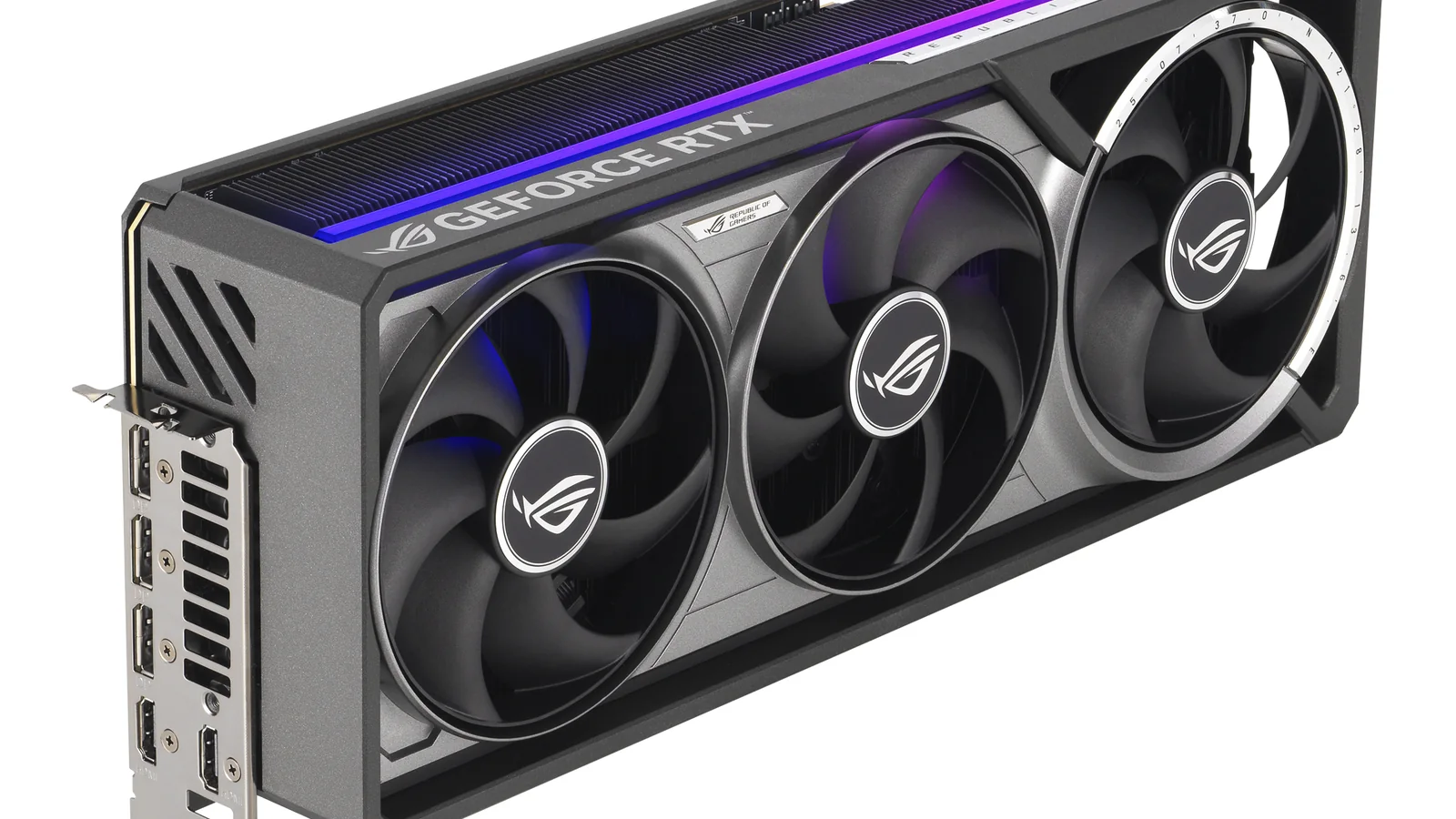
ChannelGate now claims that NVIDIA is accelerating the new card’s introduction, with December 2026 representing the earliest possible availability and January 2027 remaining the expected timeframe. Both dates remain unconfirmed.
The report also claims that NVIDIA has cleared its remaining RTX 5080 16GB GPU inventory, with existing stock in the distribution channel expected to support sales for approximately two more months. If accurate, that would place the depletion of remaining inventory around the anticipated introduction of the 24GB replacement.
More significantly, ChannelGate alleges that NVIDIA intends to stop supplying both the RTX 5080 16GB and RTX 5090 D V2 to China. The proposed RTX 5080 24GB would then become the highest-end GeForce graphics card supplied through official distribution channels in the country.
These claims specifically concern the Chinese market. There is no confirmation that NVIDIA plans to discontinue the RTX 5080 16GB worldwide, and the reported supply changes should not be interpreted as evidence of a global production shutdown.
NVIDIA has also previously rejected claims that its RTX 5090 was being discontinued, stating that the flagship graphics card would continue shipping despite supply constraints. That distinction remains important as questions surrounding RTX 5090 production and availability continue.
The rumored RTX 5080 24GB would offer a 50% increase in graphics memory compared with the current 16GB model. Such an increase could benefit memory-intensive gaming workloads, particularly at high resolutions or with demanding texture settings, although the actual performance impact would depend on the card’s final specifications.
The existing RTX 5080 uses a 256-bit memory interface with 16GB of GDDR7. Retaining that interface while increasing capacity to 24GB would be possible using higher-density 3GB memory modules instead of the current 2GB modules. However, NVIDIA has not confirmed the memory configuration, clock speeds, power consumption or other specifications for the rumored replacement.
Pricing also remains unknown. The current RTX 5080 launched with a $999 suggested retail price in the United States, but RTX 5080 retail prices have approached $2,000 amid constrained availability.
The latest supply rumors also arrive alongside the RTX 5080's disappearance from NVIDIA's official US Marketplace, following a similar removal of RTX 5090 listings. While the timing is notable, there is no verified connection between those marketplace changes and the reported plans for a 24GB replacement.
For PC gamers considering a high-end graphics card, the potential introduction of a 24GB RTX 5080 raises questions about future memory capacity, pricing and the availability of existing models. However, the proposed December 2026 to January 2027 launch window remains based on unconfirmed distribution-channel information, with no official announcement from NVIDIA regarding the card’s release date, specifications or international availability.
