


Valve’s October 2026 Steam Hardware & Software Survey shows the NVIDIA GeForce RTX 3060 returning to the top of the combined-platform graphics card rankings, while systems equipped with 16GB of RAM have regained their lead over 32GB configurations. The latest results reverse several significant changes recorded in September, with Linux also reaching 3.95% of surveyed systems.
The RTX 3060 accounts for 3.62% of surveyed systems, narrowly ahead of the GeForce RTX 5070 at 3.56%. NVIDIA’s newer graphics card had led September’s survey with a 5.86% share, but its October result represents a decline of 2.30 percentage points.
However, the GPU rankings depend on which Steam survey category is selected. While the default combined-platform figures place the RTX 3060 slightly ahead, Valve’s separate PC graphics card table lists both the RTX 3060 and RTX 5070 at 3.78%, effectively tying them for first place.
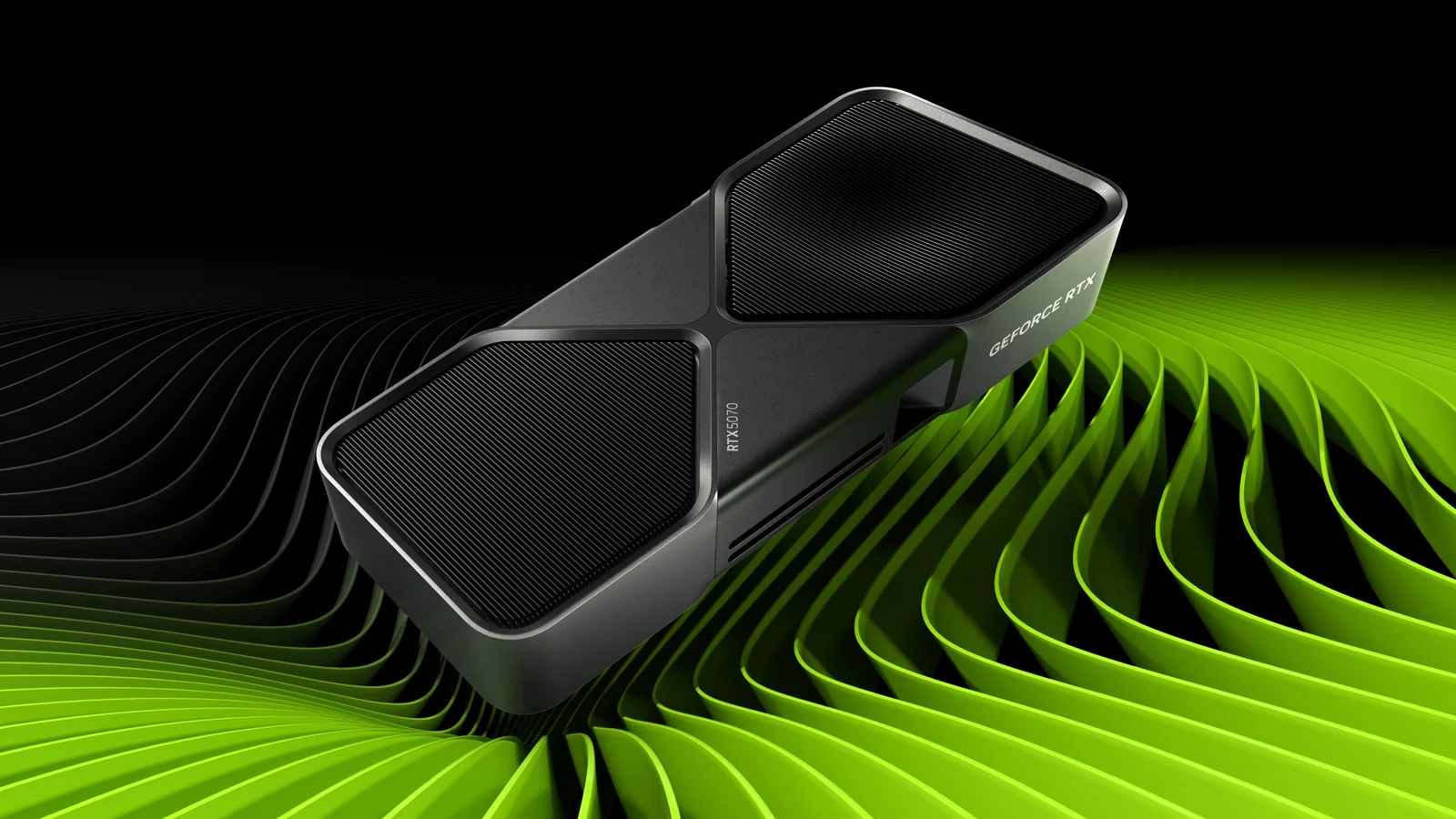
Other RTX 50-series graphics cards also recorded substantial declines. The RTX 5060 dropped from 4.20% to 2.97% in the combined figures, while the RTX 5060 Ti fell from 3.87% to 2.55%. These changes bring their reported shares closer to levels recorded before September’s unusually large increases.
The results illustrate the continued presence of older NVIDIA graphics cards among Steam users, even as newer models enter the market. Separate developments, including new NVIDIA VBIOS tools for RTX 30, 40 and 50 series graphics cards, also highlight the range of GPU generations still relevant to PC enthusiasts.
System memory rankings experienced a similarly sharp reversal. Computers equipped with 16GB of RAM now represent 41.42% of surveyed systems, an increase of 3.60 percentage points compared with September. Meanwhile, the share of 32GB configurations declined by 5.16 percentage points to 37.06%.
The October results restore 16GB as the most common memory configuration after 32GB briefly overtook it in September. The two capacities now account for more than 78% of surveyed systems combined.
Despite these figures, the monthly changes should not be interpreted as evidence that large numbers of Steam users physically removed memory or replaced their graphics cards. Valve’s survey is optional and anonymous, meaning changes in the participating sample can substantially influence the reported percentages.
One particularly significant difference is the language distribution of survey participants. Simplified Chinese fell by 9.41 percentage points to 21.98%, while English increased by 4.84 points to 39.04%.
This shift suggests that changes in the survey’s participant composition may have contributed to the apparent reversal in hardware adoption. However, Valve has not established that the language distribution alone caused the changes.
Display resolution statistics also shifted considerably. The share of systems using 2560×1440 as their primary resolution dropped by 5.22 percentage points to 21.82%, while 1920×1080 remains the most common resolution at 50.23%.
Operating system statistics show Windows retaining its overwhelming lead with 93.70% of surveyed systems. Windows 11 64-bit increased by 1.17 percentage points to 72.51% of the overall survey, while Windows 10 64-bit declined by 2.50 points to 21.11%.
Linux reached 3.95%, with Valve’s October survey displaying a 0.90 percentage-point increase over the originally published September figure of 3.05%. However, September’s Linux share was subsequently revised to 3.90%, meaning the increase is only 0.05 percentage points when the corrected figures are used.
The distinction is important because October’s result does not establish a sudden surge in Linux gaming adoption. Linux has also exceeded 4% in previous Steam survey results.
Among Linux distributions, CachyOS accounts for 0.65% of all surveyed systems, followed by SteamOS Holo at 0.55%, Arch Linux at 0.35% and Bazzite at 0.27%.
SteamOS remains particularly relevant to Valve’s handheld gaming ecosystem, where players continue to use the platform for major PC releases. The October 2026 Steam Deck most-played games provide a separate look at software activity on Valve’s handheld.
The October survey also provides updated figures for virtual reality hardware. Meta Quest 3 remains the leading headset with a 27.27% share of surveyed VR devices, while Valve Steam Frame has reached 4.13%, an increase of 3.72 percentage points.
However, systems with VR headsets represent only 1.75% of the overall Steam survey, making these percentages representative of a much smaller hardware category.
For PC hardware manufacturers and game developers, Steam’s monthly survey offers a useful indication of the configurations present among participating users. Nevertheless, October’s sharp reversal demonstrates why individual monthly results require caution, particularly when several unrelated hardware categories change substantially at the same time.
The November 2026 survey will provide another comparison point for determining whether the RTX 3060, 16GB RAM and other returning configurations maintain their positions or whether the rankings shift again.
