


Graphics card manufacturers and distributors in China are reportedly shifting their attention toward older NVIDIA GeForce RTX 3060 and RTX 3050 models as supplies of newer RTX 50-series GPUs become increasingly constrained. The change is reportedly being driven by cryptocurrency mining demand and major e-commerce promotions that have reduced available inventory across regional distribution channels.
Chinese hardware industry publication ChannelGate has described a situation in which some graphics card vendors have little or no RTX 50-series stock available for distribution. Rather than leaving retailers without products to sell, certain manufacturers are reportedly encouraging distributors to promote older GeForce RTX 30-series cards and selected AMD Radeon alternatives.
The reported shift highlights growing pressure on China’s graphics card supply chain, although the extent of the shortages across individual manufacturers and retailers has not been independently established. NVIDIA has not announced a broader suspension of RTX 50-series production.
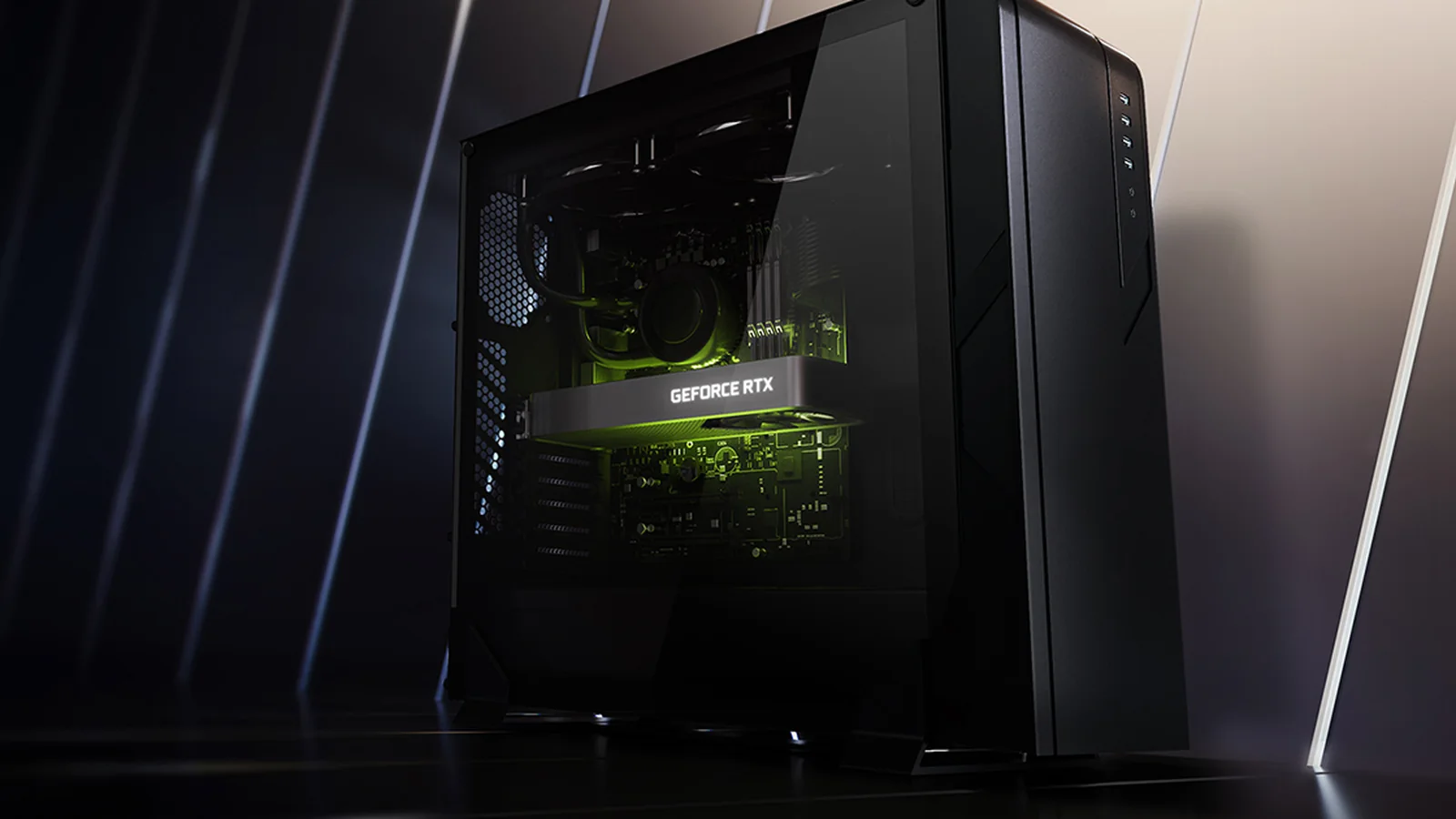
The GeForce RTX 3060 is among the principal alternatives being recommended. NVIDIA’s Ampere-based graphics card originally launched in 2021, but the 12GB version returned to Chinese retail channels in June 2026 after renewed production and distribution activity.
Colorful was among the manufacturers offering newly supplied RTX 3060 12GB cards, including its Battle-Ax GeForce RTX 3060 DUO 12GB V2. Initial Chinese retail listings placed the model at approximately 2,349 yuan, while earlier channel pricing was reported at around 2,199 yuan.
The RTX 3060 12GB features 3,584 CUDA cores, 12GB of GDDR6 memory and a 192-bit memory interface. Its memory capacity remains a distinguishing feature compared with some newer entry-level graphics cards, although the older Ampere architecture lacks several capabilities introduced with more recent GeForce generations.
Alongside the 12GB model, distributors are reportedly being encouraged to consider the RTX 3060 8GB, RTX 3050 and selected Radeon graphics cards. These products occupy different performance categories and are not direct replacements for higher-end RTX 50-series models.
The latest distribution reports follow several months of graphics card price increases. Chinese wholesale pricing for certain RTX 50-series models rose during October, with the RTX 5080 reportedly experiencing an increase of approximately 2,000 yuan and the RTX 5070 Ti rising by around 600 yuan.
Supply pressure has also been visible outside China. RTX 5080 retail prices approaching $2,000 in the United States illustrate how constrained availability has affected buyers seeking current-generation gaming hardware.
However, shortages at individual distributors do not necessarily indicate that a graphics card has been discontinued. NVIDIA has maintained that the GeForce RTX 5090 remains in production despite supply constraints, distinguishing limited retail availability from an official end to manufacturing.
The renewed emphasis on the RTX 3060 also coincides with its continued popularity among PC gamers. Valve’s October 2026 Steam Hardware Survey placed the RTX 3060 back at the top of the graphics card rankings, although those figures measure hardware usage rather than new GPU purchases or distributor inventory.
For consumers, the reported changes could mean greater promotion of older graphics cards when newer GeForce models are unavailable or priced substantially higher. However, increased availability of RTX 3060 and RTX 3050 cards would not necessarily translate into lower prices.
Older graphics cards have also experienced price increases in China’s distribution channels, while potential Radeon price increases in November could affect the attractiveness of AMD alternatives.
ChannelGate’s findings concern reported conditions within China’s graphics card distribution network. They do not establish a worldwide RTX 50-series shortage of the same severity, and no confirmed timeline has been provided for when the affected supply channels might recover.
