


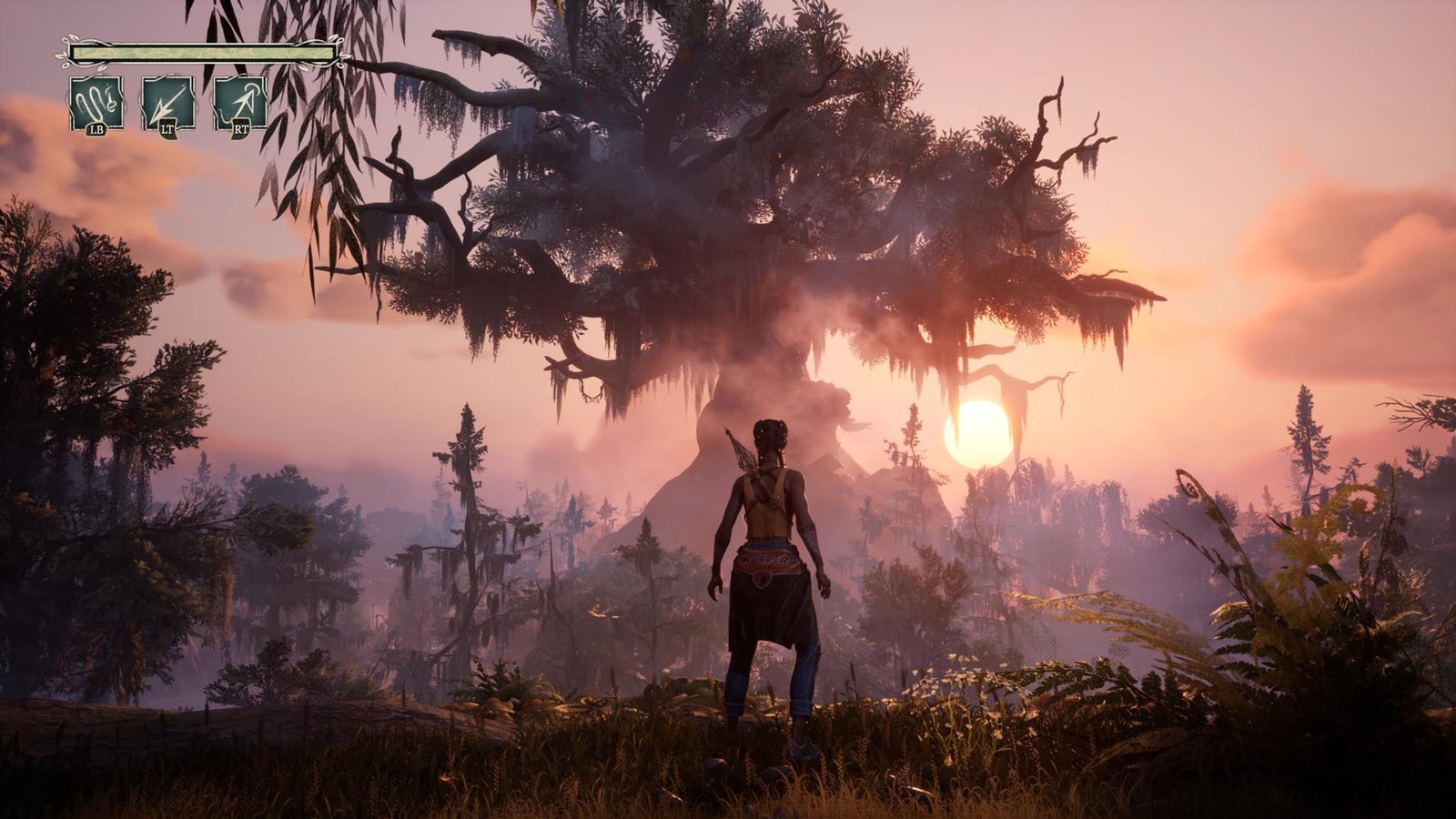
South of Midnight creative director David Sears has admitted that he probably would not have approved funding the game himself, despite being grateful that Microsoft supported its development. Speaking in a new interview with MinnMax, Sears questioned the long-term sustainability of Xbox’s previous approach to financing creatively ambitious games with uncertain commercial returns.
During the interview with MinnMax’s Ben Hanson, Sears discussed Microsoft’s willingness to invest in distinctive projects such as Compulsion Games’ South of Midnight and Double Fine’s Keeper. When Hanson asked whether Sears appreciated Microsoft’s support but would have been reluctant to make the same investment decision himself, the developer responded, “Yeah, probably.”
Sears emphasized that he genuinely wanted to create South of Midnight and valued the opportunity Microsoft provided. However, he acknowledged that the broader funding strategy was difficult to sustain indefinitely. His comments were not a rejection of the game’s creative value, but a retrospective assessment of the financial decisions that made projects like it possible.
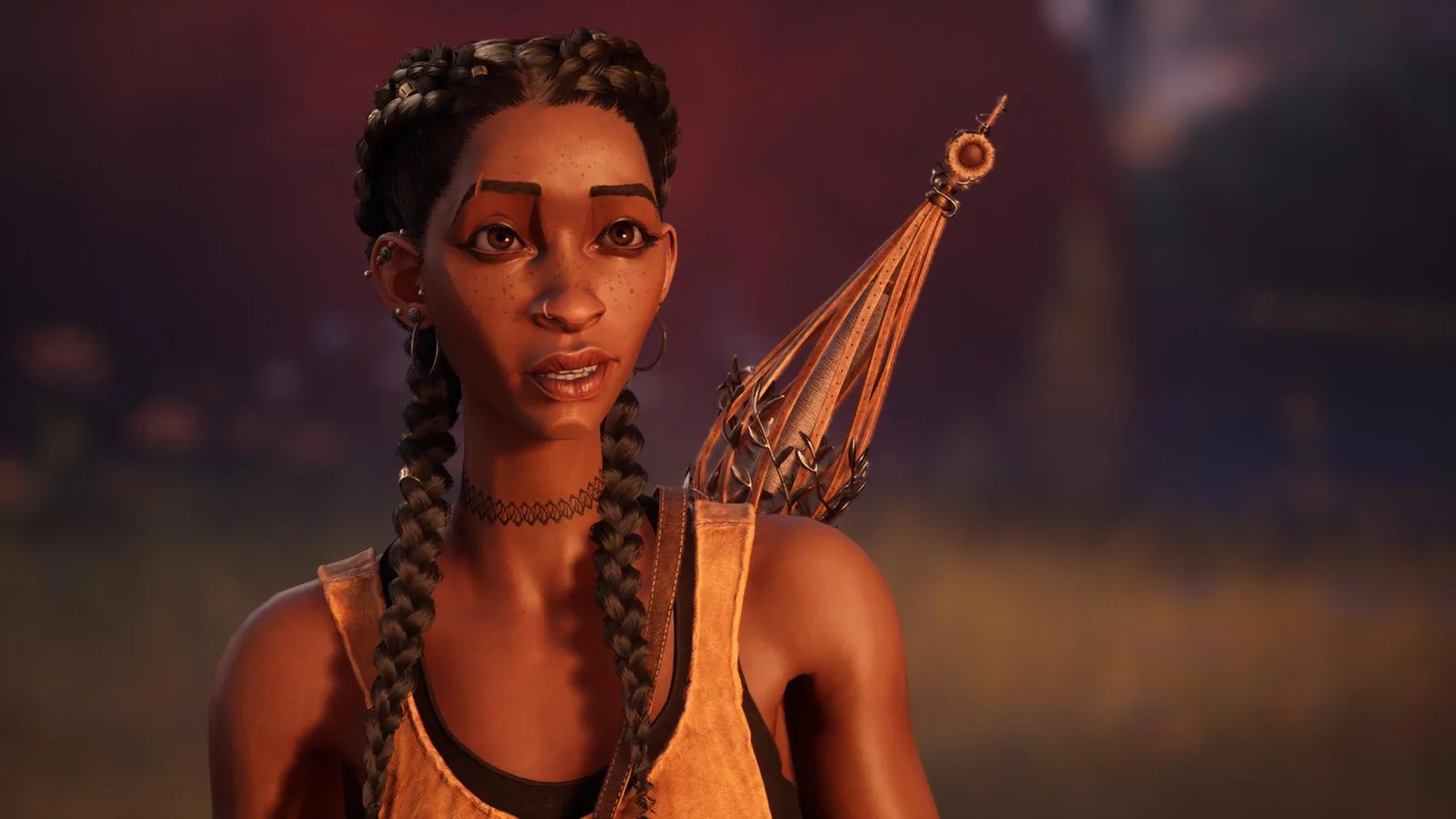
The creative director also recalled anticipating that Microsoft’s generous investment approach would eventually change. While other developers wondered whether they were experiencing a particularly favorable period for game development, Sears said his response was “For now.” He believed the funding environment could not continue indefinitely and worried that an eventual reversal would have serious consequences for the studios involved.
The remarks provide additional context for the major changes that have taken place across Xbox’s first-party development operations in 2026.
Microsoft acquired Compulsion Games in 2018, providing the studio with the resources to develop South of Midnight, a third-person action-adventure game inspired by Southern Gothic folklore. The title launched in April 2025 and received recognition for its distinctive artistic direction and storytelling, including BAFTA and Peabody awards.
Despite that critical recognition, commercial performance remained a separate concern. Insider Gaming previously reported that South of Midnight failed to meet Microsoft’s internal commercial expectations. However, the game’s complete development budget, sales revenue and profitability have not been publicly established.
Sears’s latest comments therefore should not be interpreted as confirmation that South of Midnight generated a specific financial loss. His assessment concerns the sustainability of Microsoft’s investment strategy rather than a newly disclosed financial result.
The interview also follows Microsoft’s restructuring of Xbox Game Studios, which resulted in Compulsion Games separating from Microsoft through a management buyout. The studio regained its independence after previously facing the possibility of closure.
Sears described Microsoft’s handling of studio separations as more humane than the company’s approach during earlier decades, highlighting its willingness to allow developers to pursue independence rather than automatically shutting their operations down.
The discussion comes as Xbox attempts to rebuild its software business. Xbox leadership has acknowledged that first-party game performance has begun recovering from an all-time low, reflecting the commercial pressures facing Microsoft’s gaming division.
Microsoft has also outlined plans to expand Battle.net and simplify Xbox publishing, indicating changes to its broader approach to game distribution and developer relationships.
For South of Midnight, Sears’s comments highlight the distinction between creative success and commercial sustainability. Microsoft’s investment allowed Compulsion Games to produce a distinctive, award-winning title, but the developer now questions whether that level of financial support could have continued over the long term.
The interview does not establish that Microsoft regrets funding South of Midnight, nor does it reveal any new cancellation or funding decision. Instead, it offers a firsthand perspective from a developer who benefited from Xbox’s previous investment strategy while recognizing the financial uncertainty surrounding its future.
