


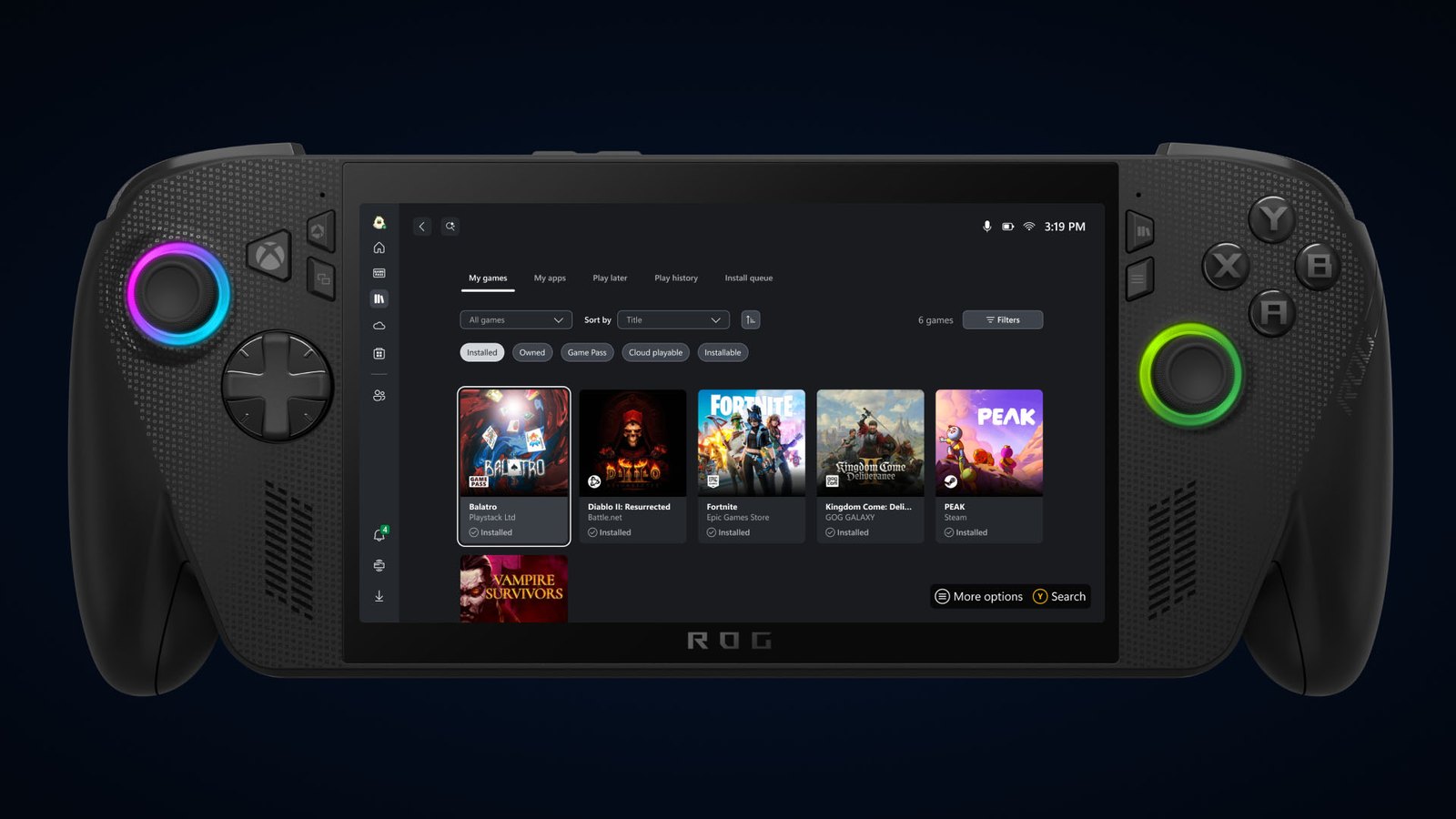
Microsoft is planning a broader push for Battle.net and Xbox on PC, including more first-party and selected third-party games, simpler publishing tools and changes intended to make it easier for developers to work across the Xbox ecosystem. The details come from Xbox CEO Asha Sharma’s comments during an internal Microsoft town hall, as reported by Windows Central. The outlet says the remarks were transcribed and verified with multiple sources.
Sharma said Microsoft historically took a “one-shot approach” to PC by concentrating on a single app, but the company now believes that strategy left significant opportunities untapped. Battle.net is emerging as a key part of the new approach because it reaches an audience Microsoft is not necessarily capturing elsewhere. According to Sharma, Battle.net’s user retention is “nearly as good as Steam’s retention,” despite Microsoft having put relatively little effort into developing it as a broader platform.
Microsoft now intends to invest more heavily in Battle.net while keeping the service more curated than an open storefront such as Steam. Sharma said the platform should become useful for both Microsoft’s own games and selected third-party releases. The Witcher 3 has already become Battle.net’s first major third-party addition, while Microsoft has previously brought titles including DOOM and Avowed to the launcher alongside Activision and Blizzard releases.
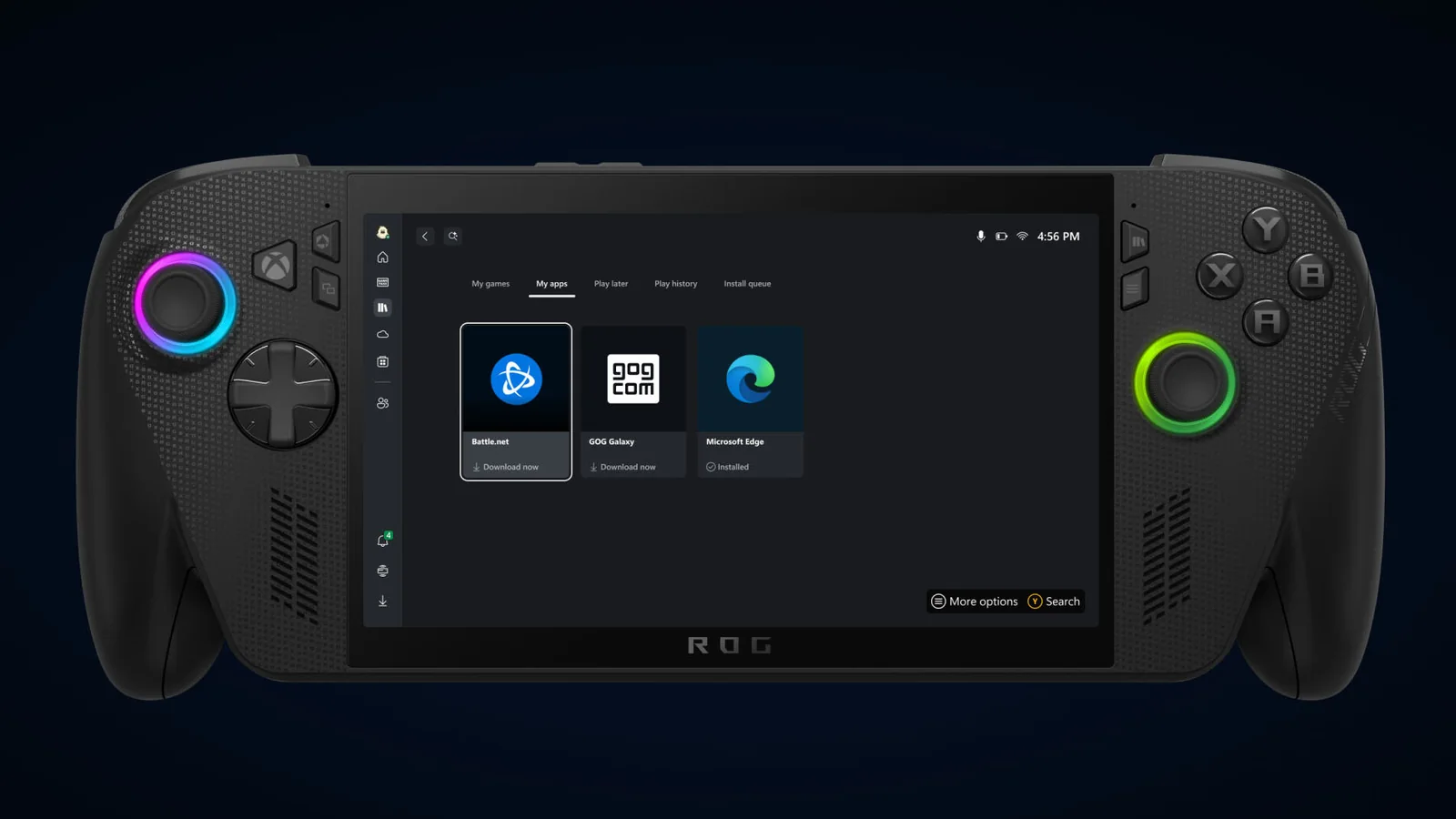
The Witcher 3’s arrival also ties into Microsoft’s wider Xbox Play Anywhere strategy. The Witcher 3 Remastered supports Xbox Play Anywhere, allowing eligible purchases to work across Xbox consoles and PC. Microsoft appears to view Battle.net as another route for expanding that ecosystem rather than as a replacement for its existing Windows and Xbox PC storefronts.
Sharma specifically said Microsoft does not plan to abandon other PC platforms. The company will continue investing in stores that reach distinct audiences, including Steam and the Microsoft Store on Windows. She also pointed to the scale of the Windows install base and said there is no reason Xbox should not be serving more players across the roughly one billion Windows PCs in use globally.
Microsoft is also working more closely with PC manufacturers as part of that strategy. Sharma referenced upcoming offers through OEM partners and pointed to World of Warcraft as one title benefiting from pre-install activity on new hardware. Microsoft already uses bundles such as PC Game Pass trials with laptops and handhelds, so deeper Battle.net integration could give it another way to expose players to its games before they actively seek out the launcher.
The more consequential changes may be happening behind the scenes. Sharma acknowledged that it is currently “very hard to work with Xbox” from a developer and publisher perspective, and said Microsoft is simplifying platform targets, moving toward a headless partner center and reducing unnecessary complexity in its APIs. The company also wants its APIs to become machine-readable, which could make publishing, certification and management processes easier to automate.
Those changes target a longstanding pain point around bringing games to Xbox and Windows. Developers have frequently complained about certification delays, fragmented tooling and unclear rejection processes, particularly when compared with publishing on Steam. Microsoft’s goal appears to be reducing manual bottlenecks so developers can release games faster, understand how their products are performing and manage more of the process through streamlined tools.
The strategy fits into a broader effort to strengthen Xbox after a difficult period for Microsoft’s gaming business. Sharma recently said Xbox first-party games have returned to growth after an earlier low, while the company continues restructuring its studios, services and hardware plans. PC is increasingly becoming one of the most important parts of that recovery strategy because Microsoft can reach players through Steam, Battle.net, the Xbox PC app and the Microsoft Store simultaneously.
Battle.net’s stronger role does not mean Microsoft is turning it into a direct Steam clone. The current direction instead points toward a curated platform where Microsoft can place its own major releases alongside selected third-party games while using Xbox Play Anywhere and its wider account ecosystem to connect purchases across devices. If the publishing changes work as intended, the more important result for players may simply be that more games reach Xbox and Windows with fewer delays and fewer platform-specific complications.
