


NVIDIA has reportedly cancelled plans to launch a 24GB version of the GeForce RTX 5080 in China in January 2027, with rising GDDR7 memory costs cited as the main reason. The company is said to have informed graphics card manufacturing partners that the planned release will no longer proceed, without providing a replacement launch date.
The information comes from Chinese graphics card distribution forum Board Channels, where moderator Gaoshou No. 1 shared details of the alleged change in NVIDIA’s plans. The report suggests that the existing RTX 5080 16GB will remain in production rather than being replaced by the higher-memory configuration.
NVIDIA has not officially announced an RTX 5080 24GB model or confirmed its cancellation. The reported changes therefore remain unverified supply-chain information rather than an official product decision.
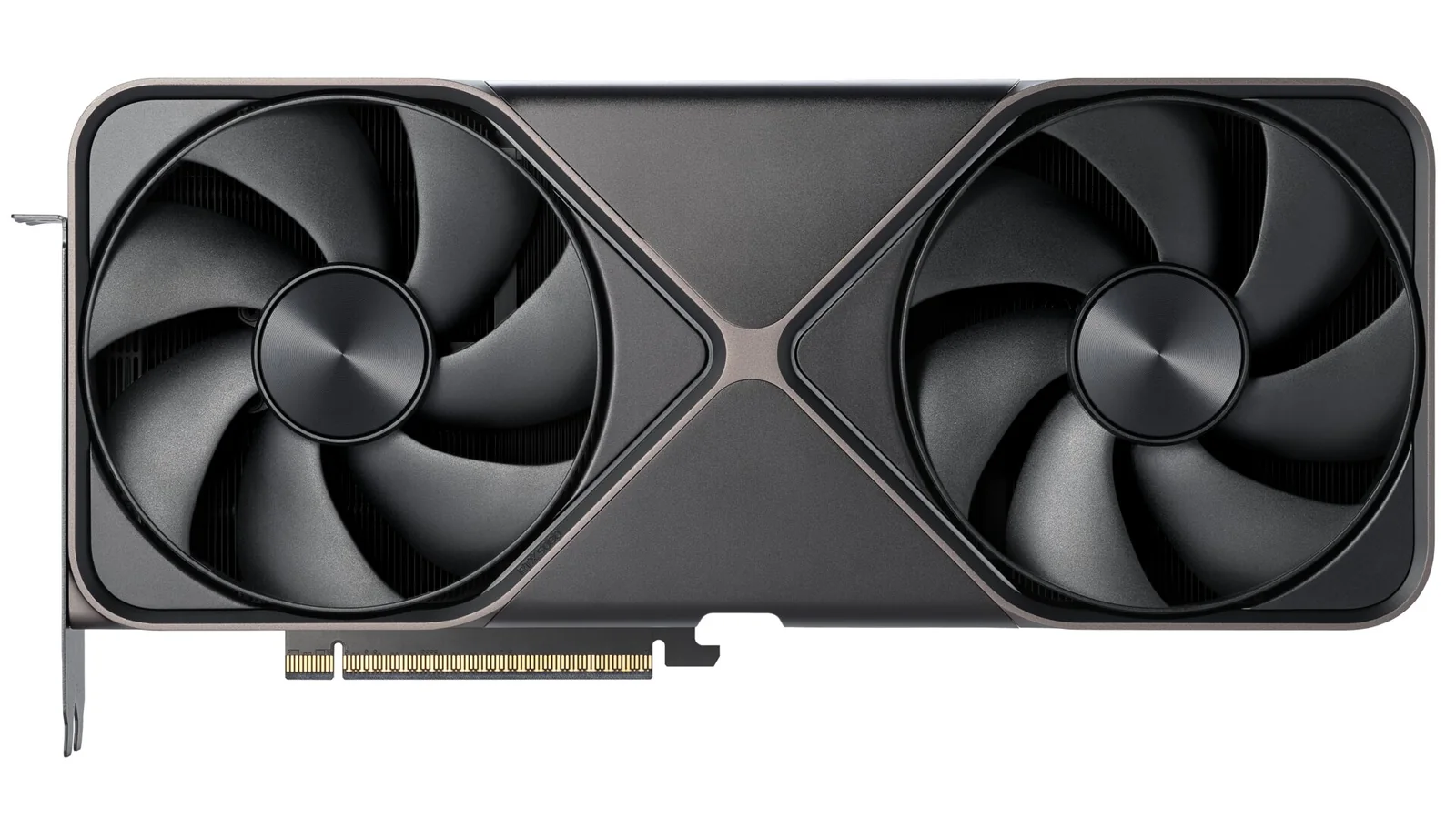
The latest claims reverse earlier reports that NVIDIA was preparing to introduce the RTX 5080 24GB by January 2027, potentially replacing both the existing 16GB model and the RTX 5090 D V2 in China’s high-end GeForce lineup.
The earlier information suggested that NVIDIA was accelerating the launch schedule, with the upgraded card potentially arriving as early as December 2026. The new report indicates that those plans have been abandoned for now.
The reported cancellation is primarily attributed to the cost of higher-capacity GDDR7 memory chips.
The proposed RTX 5080 24GB would reportedly retain the existing GPU while replacing its eight 2GB GDDR7 memory modules with eight 3GB modules. This would increase total graphics memory from 16GB to 24GB, a 50% capacity increase, without requiring a wider memory interface.
However, Board Channels claims that 3GB GDDR7 modules currently cost approximately three times as much as their 2GB counterparts. That price difference would substantially increase the memory component cost of the proposed graphics card, making it difficult to produce at a commercially viable selling price.
The reported pricing difference has not been independently verified, and NVIDIA has not publicly provided component procurement costs for either memory configuration.
The existing GeForce RTX 5080 uses NVIDIA’s Blackwell architecture, featuring 10,752 CUDA cores, 16GB of GDDR7 memory and a 256-bit memory interface. Its officially specified memory bandwidth is 960GB/s.
Although earlier rumors suggested that the 24GB configuration could offer increased memory bandwidth and slightly higher power consumption, NVIDIA has never confirmed the upgraded card’s specifications. Its primary expected improvement was additional VRAM rather than a substantial increase in GPU processing resources.
The cancellation claim also follows earlier indications that the proposed launch was facing development delays.
Reports in early November suggested that NVIDIA had not delivered the necessary RTX 5080 24GB development documentation to add-in-board partners by the end of October. That delay had already raised doubts about whether manufacturers could complete graphics card development, validation and production in time for January.
The latest information adds a reported economic reason for abandoning that launch window rather than simply postponing the release.
For PC gamers considering a high-end GPU upgrade, the immediate implication is that a 24GB RTX 5080 may not become available in early 2027 as previously suggested.
The reported decision could also affect expectations around graphics card availability. Earlier supply-chain claims suggested NVIDIA was winding down the 16GB configuration ahead of its replacement. The new information instead indicates that the company intends to continue purchasing 2GB GDDR7 modules and supplying the existing GPU configuration to manufacturing partners.
That would represent a change in direction amid an already challenging market for high-end graphics cards. The RTX 5080 has recently approached $2,000 at major US retailers, significantly above its original $999 starting price.
Supply concerns have also extended across the wider RTX 50 lineup, with graphics card shortages reportedly pushing distributors toward older RTX 30-series products in China.
However, continued production of the RTX 5080 16GB would not necessarily guarantee improved retail availability or lower prices. Those outcomes would depend on actual shipment volumes, distributor inventory and market demand.
The Board Channels information specifically concerns NVIDIA’s reported Chinese launch plans. It does not establish whether a 24GB RTX 5080 has been permanently cancelled worldwide or whether NVIDIA could revisit the configuration if memory costs improve.
For now, NVIDIA’s officially announced RTX 5080 remains the 16GB model, and there is no confirmed release schedule for a 24GB successor.
