


Nintendo has expanded its copyright enforcement efforts against Nintendo Switch modification tools, resulting in the removal of 144 GitHub repositories associated with modchip firmware. The action follows a Digital Millennium Copyright Act (DMCA) takedown notice dated November 6, 2026, targeting the Ansem-SoD/Picofly project and its associated forks.
GitHub’s publicly available DMCA archive confirms that the platform processed Nintendo’s complaint against an entire network of 144 repositories, including the original project. The notice specifically identifies firmware associated with Switch modchips such as Picofly, HWFLY, SX Core and SX Lite, which Nintendo alleges can circumvent the console’s built-in security protections.
The enforcement action targets firmware distribution rather than the physical modchips themselves, marking another development in Nintendo’s ongoing efforts to restrict unauthorized modification of its consoles.
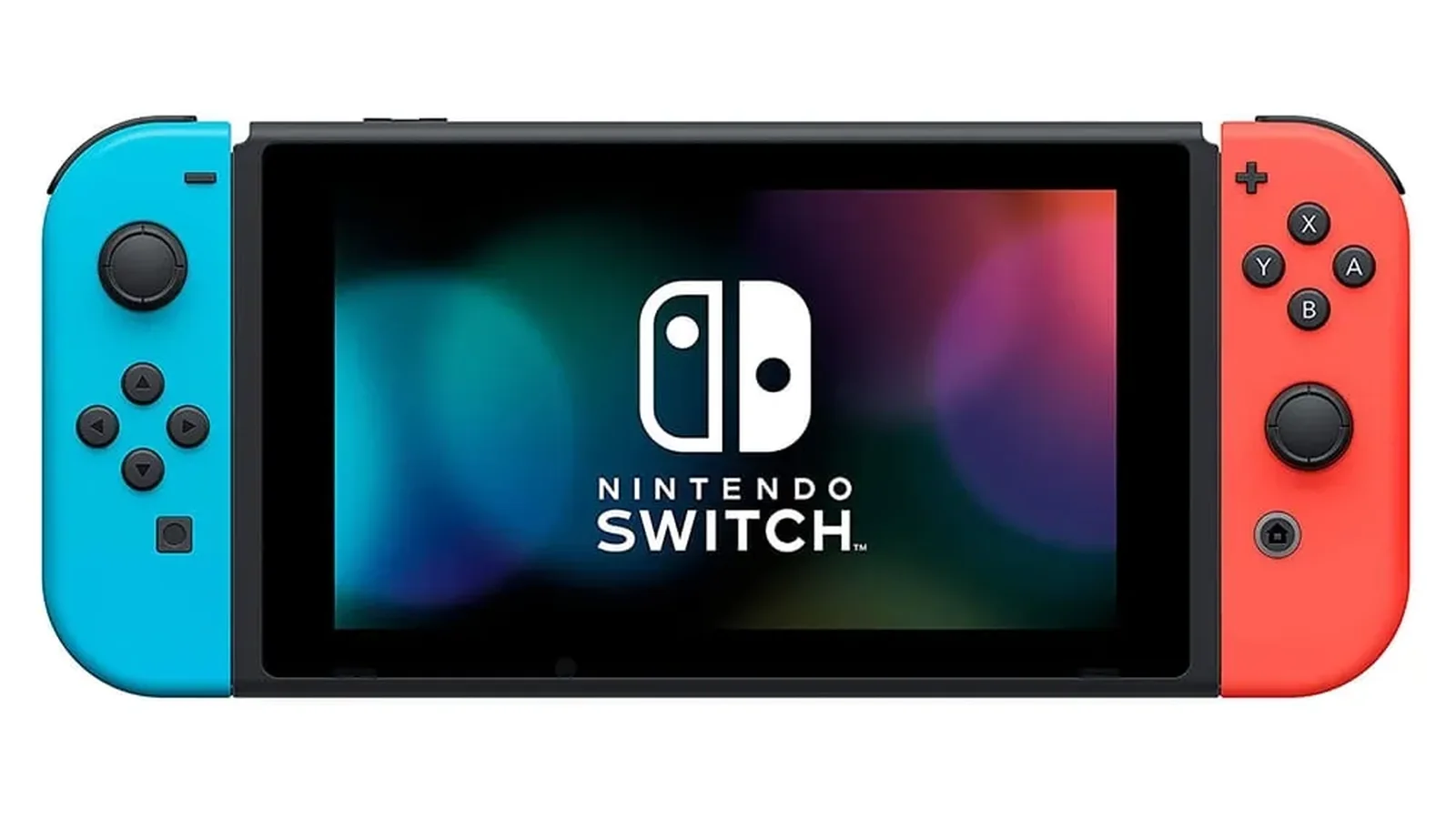
Nintendo Targets Picofly Firmware and Its GitHub Forks
The primary repository named in the complaint, Ansem-SoD/Picofly, hosted information and firmware related to Nintendo Switch modchips built around the RP2040-Zero microcontroller board.
Picofly is associated with hardware modifications that allow compatible Switch consoles to bypass elements of their normal startup security process. Such modifications can enable users to run unauthorized software, including homebrew applications and custom firmware environments.
Nintendo’s complaint argues that the firmware is designed to bypass technological protection measures embedded in the Switch console and its games.
The company identifies the console’s boot sequence and cryptographic signatures as security mechanisms intended to prevent unauthorized software execution and access to copyrighted games.
According to the notice, the firmware allows compatible modchips to circumvent these protections by bypassing the normal boot sequence. Nintendo argues that distributing the firmware therefore violates the anti-circumvention provisions of Section 1201 of the DMCA.
These are Nintendo’s legal allegations, rather than findings from a new court ruling specifically addressing the Picofly repository.
Why GitHub Removed 144 Repositories
Although Nintendo’s complaint identifies Ansem-SoD/Picofly as the primary target, GitHub applied the takedown across its wider network of forks.
GitHub explains in its published notice that the affected network contained more than 100 repositories and that the complainant alleged all or most forks infringed to the same extent as the original project.
Consequently, GitHub processed the complaint against all 144 repositories in the network, including the parent repository.
The total does not represent 144 independently developed modchip projects. It includes copies and derivatives of the targeted repository hosted under different GitHub accounts.
GitHub also states that it contacted owners of some or all affected repositories before disabling content, giving them an opportunity to make changes. The platform provided information about submitting a DMCA counter-notice, through which repository owners can dispute a removal.
Nintendo Cites Earlier Team-Xecuter Criminal Case
Nintendo’s complaint references a previous US criminal case involving Team-Xecuter, the group associated with commercial Switch modification products such as SX Core and SX Lite.
Team-Xecuter became a major target of Nintendo’s legal enforcement efforts over devices and software designed to bypass Switch security restrictions.
In the referenced criminal proceedings, Team-Xecuter member Gary Bowser pleaded guilty to charges involving circumvention technology and was subsequently sentenced to 40 months in prison.
However, that prosecution does not establish a separate judicial finding that all Picofly or HWFLY firmware distributions violate US copyright law.
Nintendo cites the case to support its position that distributing technology designed to circumvent the Switch’s access controls can fall within the DMCA’s anti-trafficking restrictions.
What the Takedown Means for Switch Modding
The immediate consequence is the loss of GitHub-hosted access to the targeted Picofly repository and its associated forks.
For Switch modification enthusiasts, the removal affects a publicly accessible collection of firmware files, technical documentation and related project materials.
However, the takedown does not mean every copy of Picofly or HWFLY firmware has disappeared from the internet. Other repositories containing modchip-related firmware were still accessible outside the targeted GitHub network following the action.
The removal also does not automatically disable modchips already installed in consoles or erase firmware previously obtained by users. Its direct effect concerns distribution through the repositories covered by the notice.
The distinction between hardware modifications, homebrew software and game piracy remains important. Although console modifications can be used to run unauthorized game copies, modifications can also support other software applications. The legal status of particular activities depends on the circumstances and applicable law.
Nintendo’s enforcement comes amid continued attention to console security and unauthorized software access, including the separate reported Switch 2 firmware 23.5.0 jailbreak patch.
Unlike that firmware development, which concerns restrictions implemented through a console software update, the latest GitHub action specifically targets the online distribution of modification firmware for the original Nintendo Switch hardware family.
For now, the 144-repository Picofly network has been removed through GitHub’s DMCA process. Repository owners retain the option to challenge the takedown, while Nintendo’s complaint illustrates its continuing efforts to limit access to tools it considers capable of bypassing Switch security protections.
