


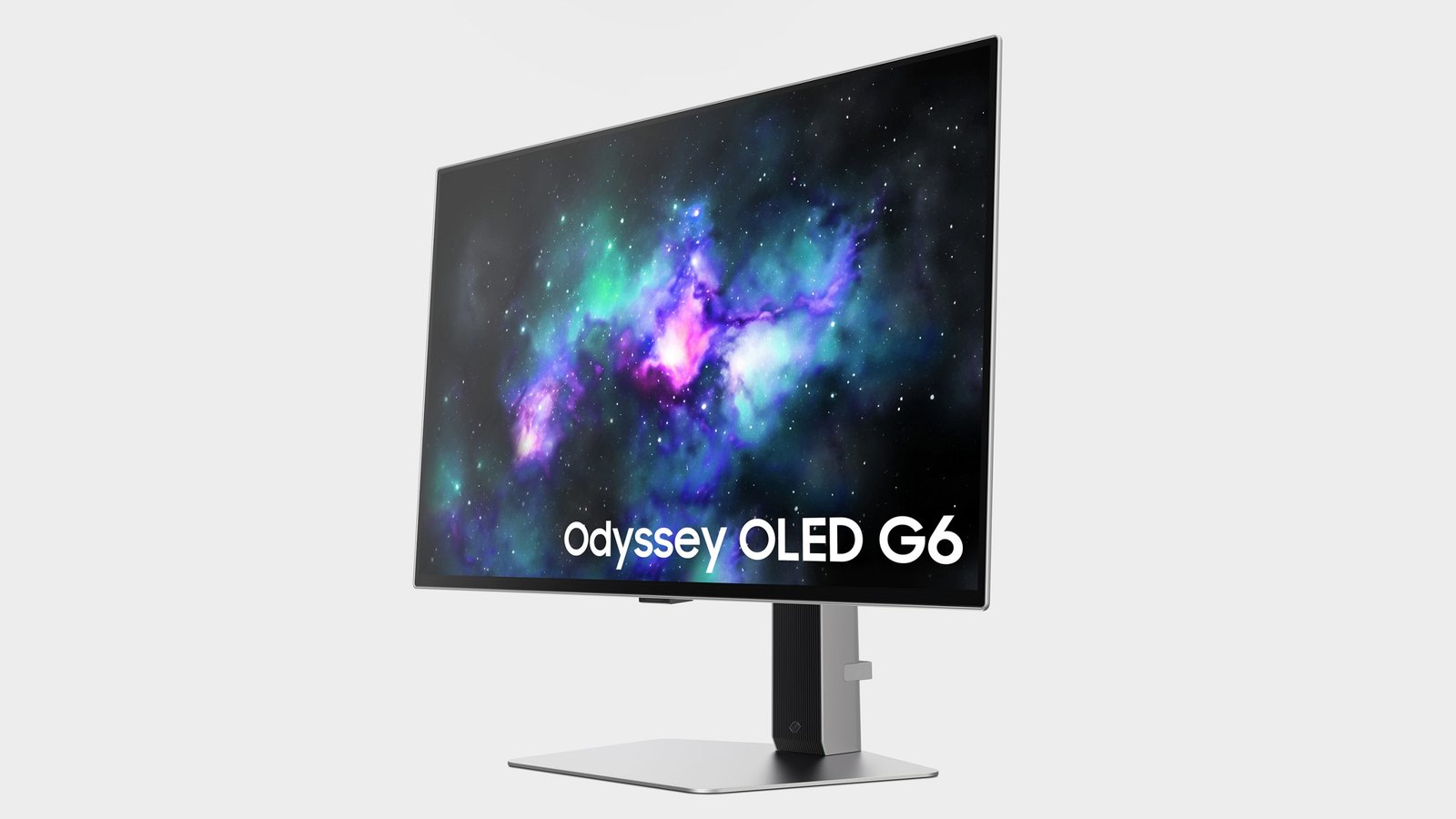
Global OLED monitor shipments doubled year over year in the third quarter of 2026, while increasing 13% compared with the previous quarter, according to new research published by TrendForce on November 18. ASUS retained its position as the world’s largest OLED monitor brand, while MSI overtook Samsung to claim second place globally for the first time.
TrendForce attributed the growth to continued product launches from major manufacturers and improved OLED panel availability. Stronger upstream supply has also allowed smaller and emerging monitor brands to increase shipments, intensifying competition across the market.
ASUS maintained its lead with a 21.7% market share during the quarter, recording a 6% increase in shipments compared with Q2 2026. The company benefited from improved availability of high-end 27-inch QHD 540Hz OLED panels, which had previously faced supply constraints. New models introduced to commemorate the brand’s 20th anniversary also contributed to shipment growth.

MSI emerged as the quarter’s biggest change in the rankings, climbing to second place with a 14.5% market share. That represents an increase of 1.7 percentage points from the previous quarter. TrendForce said MSI’s growth was supported by increased orders for 27-inch QHD monitors ahead of the holiday shopping season, alongside the introduction of new products, including 320Hz QHD OLED models.
The company has also nearly matched Samsung’s cumulative OLED monitor shipments across the first nine months of 2026, despite only moving ahead of its rival in the third-quarter rankings.
Samsung slipped to third place with an 11.3% market share. However, the decline in its percentage share does not necessarily indicate a significant reduction in shipments. TrendForce noted that Samsung’s shipment volumes remained relatively stable during the first three quarters of 2026, while the overall market expanded rapidly.
Samsung plans to increase shipments during the fourth quarter, targeting the holiday shopping season in Europe and North America. TrendForce suggested that this strategy could help the company regain second place.
LG Electronics moved up to fourth position with an 8.6% market share. Promotions targeting selected 27-inch QHD 240Hz OLED monitors helped stimulate demand and improve its ranking.
Dell completed the top five with an 8.2% share, recovering one position compared with the previous quarter. Its growth came from increasing shipments of mainstream 27-inch QHD 240Hz models and stronger availability of a 39-inch monitor introduced during Q2 2026.
The latest figures highlight how high-refresh-rate OLED gaming monitors are becoming an increasingly important part of the display market. Manufacturers are competing across several performance categories, from 240Hz mainstream models to premium 320Hz and 540Hz displays.
Improving panel supply is particularly significant for gaming monitors, where high-refresh-rate OLED products have historically occupied premium price segments. Greater availability gives manufacturers more opportunities to expand their product ranges and compete for customers.
Retail pricing has also shown signs of increased competition in some regions, with OLED gaming monitors falling below €300 in Germany, including models from Samsung, Gigabyte and AOC. However, TrendForce’s shipment figures do not establish that prices are declining globally.
The Q3 results follow a strong second quarter, when TrendForce recorded a 26.1% sequential increase in OLED monitor shipments. ASUS held a 23.1% market share during that period, followed by Samsung at 13.1% and MSI at 12.8%.
While ASUS remains the clear market leader, MSI’s rise and the changing positions of Samsung, LG and Dell demonstrate how quickly competitive rankings are shifting as OLED monitor production and product availability expand.
