


Ubisoft has officially established Motherbrain as a dedicated subsidiary focused on developing proprietary generative AI technology for video games. The company confirmed the move in its first-half 2026-27 financial results published on November 19, 2026, outlining plans to create new gameplay systems, more intelligent non-player characters (NPCs) and AI-driven interactive experiences.
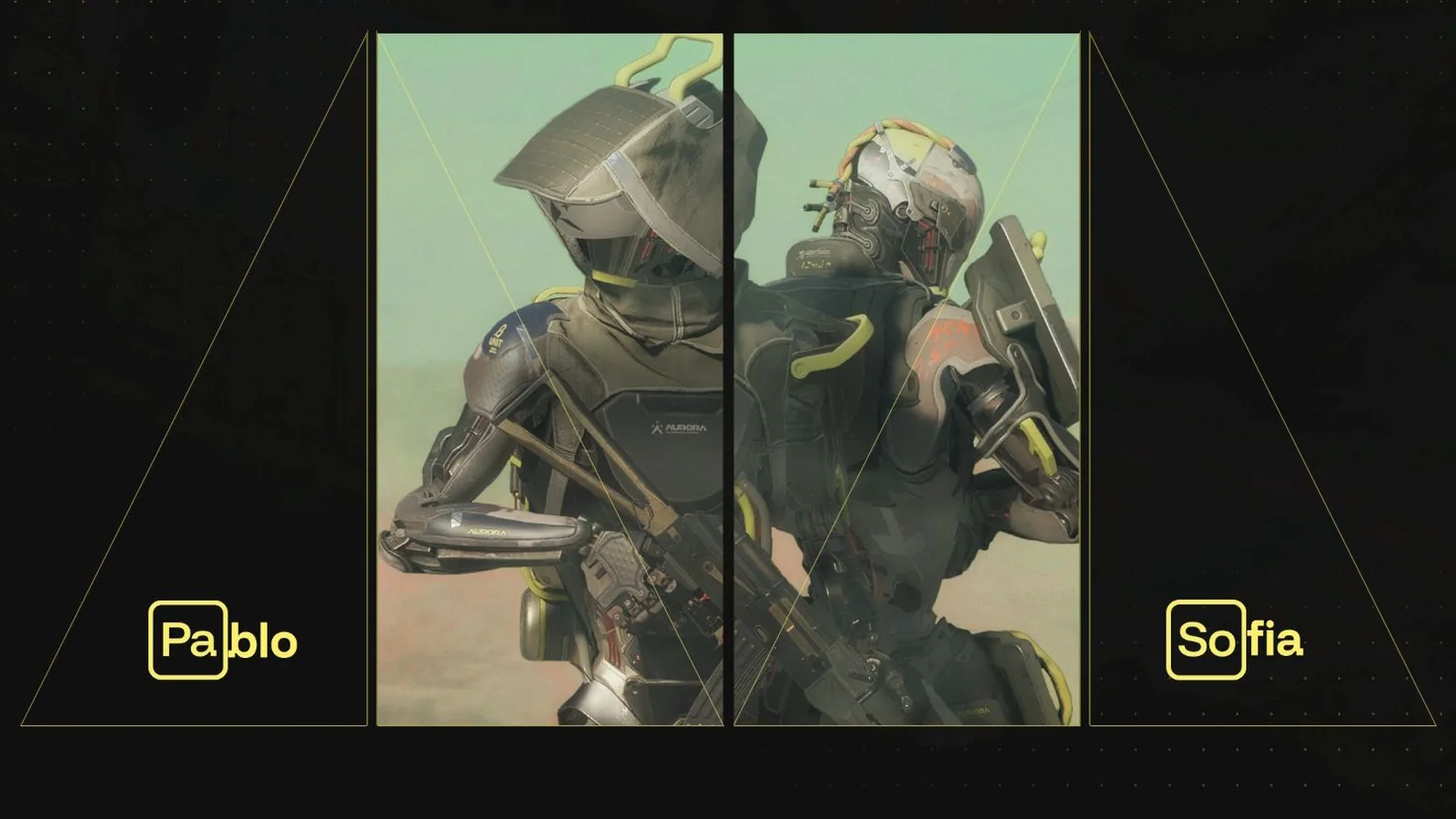
Motherbrain is the team behind Teammates, Ubisoft’s experimental playable generative AI project unveiled in November 2025. The subsidiary will expand that research into technology intended to support game creators across Ubisoft’s development organization and potentially beyond it.
Ubisoft CEO Yves Guillemot confirmed the development as part of the publisher’s broader organizational restructuring, describing Motherbrain as a dedicated subsidiary responsible for proprietary gameplay technologies.
The company’s financial announcement identifies three primary areas of research: new player experiences, intelligent NPCs with memory, and AI game masters capable of managing large-scale systemic worlds.
Memory-enabled NPCs could allow characters to respond based on previous interactions rather than relying entirely on predetermined dialogue or scripted behavior. AI game masters represent another research direction, potentially enabling gameplay systems to respond dynamically to player decisions within complex environments.
These are development objectives rather than confirmed features for any upcoming Ubisoft game. The publisher has not announced which commercial projects might incorporate Motherbrain’s technology or when those systems could become available to players.
Motherbrain’s establishment follows Ubisoft’s introduction of Teammates on November 21, 2025. The playable research project explored how generative AI could change interactions between players, companions and in-game assistance systems.
Teammates uses a first-person shooter environment in which players operate alongside two AI-powered squad members, Pablo and Sofia. Instead of relying exclusively on conventional command menus, players can issue spoken instructions and communicate with their companions using natural language.
The experience also features Jaspar, an AI assistant capable of identifying enemies, providing contextual information about the game’s world, changing settings and responding to verbal requests.
Ubisoft designed the experiment to investigate whether natural speech and generative AI could support more responsive gameplay without abandoning developer-defined narratives and character personalities. The company previously confirmed that several hundred players had participated in closed testing of the prototype.
Establishing Motherbrain as a separate subsidiary formalizes that research within Ubisoft’s development structure. The company says the organization aims to support creators across its Creative Houses while exploring partnerships with selected technology companies.
The announcement also comes as generative AI remains a divisive subject across game development. A recent GDC survey of game industry professionals found that 40% of respondents use generative AI, while 55% believe the technology negatively affects the industry.
Ubisoft has previously emphasized that its Teammates research is intended to support human creativity rather than replace it, with developers remaining responsible for establishing narrative boundaries, character motivations and the rules governing AI-generated interactions.
Motherbrain forms part of Ubisoft’s newly completed operating model, which reorganizes its game development operations around Creative Houses responsible for different portfolios and franchises.
The publisher confirmed that Motherbrain will develop technology for use across this ecosystem, potentially giving multiple development teams access to shared AI gameplay systems.
For now, Ubisoft has not disclosed Motherbrain’s development budget, staffing levels, commercial release schedule or specific games that will use its technology. The November 19 announcement establishes the subsidiary’s formal role and research priorities, but does not confirm when players will encounter these systems in a finished Ubisoft title.
