


ASUS may reduce the default memory capacity of its entry-level and mid-range computers from 16GB to 8GB in response to rising RAM prices. ASUS co-CEO S.Y. Hsu discussed the potential configuration change during the company’s third-quarter 2026 earnings call on November 12, explaining that consumers are becoming increasingly resistant to higher PC prices.
Hsu revealed that ASUS can no longer pass the entire increase in memory costs on to consumers. Higher average selling prices have weakened demand, with customers postponing purchases or limiting their spending to essential upgrades.
To address these pressures, ASUS is considering reducing memory capacities across more affordable product segments rather than continuing to increase retail prices.
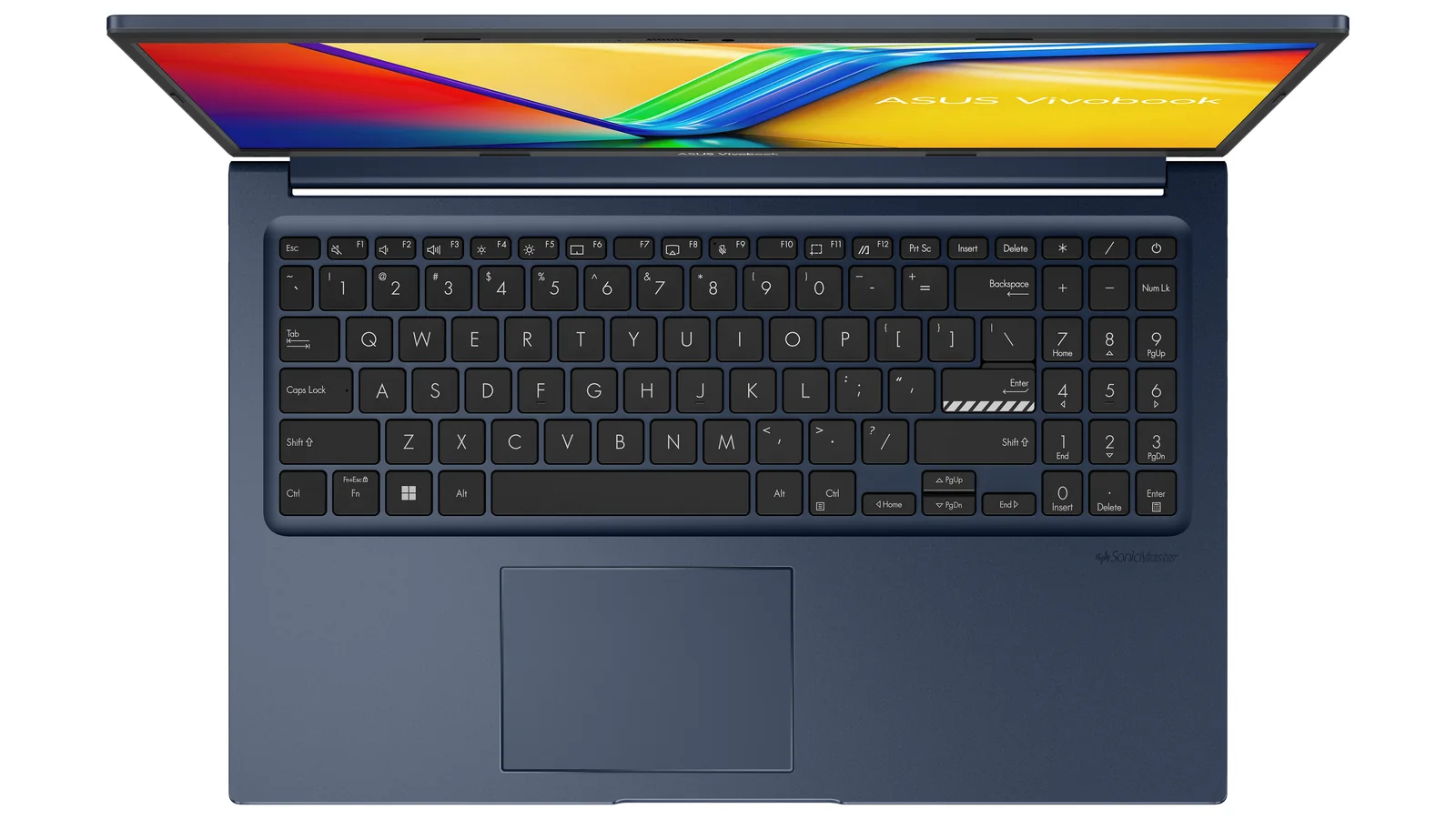
The company had previously adopted 16GB configurations across its mid-range and entry-level machines to provide a better user experience. However, Hsu confirmed that ASUS has been working with Microsoft on accommodating lower memory capacities through operating system adjustments.
According to Hsu, Microsoft’s changes allow computers equipped with 8GB of RAM to deliver what ASUS considers an acceptable user experience. The executive did not identify the specific operating system improvements or provide performance benchmarks comparing 8GB and 16GB configurations.
The potential reduction comes amid continued pressure on the consumer memory market. TrendForce recently forecast that PC DRAM contract prices could increase by 13–18% during the fourth quarter of 2026 compared with the previous quarter.
Memory costs are also affecting gaming hardware manufacturers, with Valve warning that rising component prices could constrain future supply of its Steam Machine.
ASUS does not expect to respond uniformly across its entire product portfolio. Hsu pointed to strong demand for premium NVIDIA RTX Spark systems equipped with as much as 128GB of memory, where customers remain more willing to accept higher prices.
For budget PC buyers, a return to 8GB configurations would mean less available memory for multitasking, gaming and background applications. Systems with soldered, non-upgradable memory could be particularly restrictive for buyers who intend to keep their computers for several years.
ASUS has not announced specific models, implementation dates or revised retail prices for the proposed 8GB configurations. Hsu’s comments outline a potential response to rising component costs rather than a confirmed reduction across all affordable ASUS computers.
