


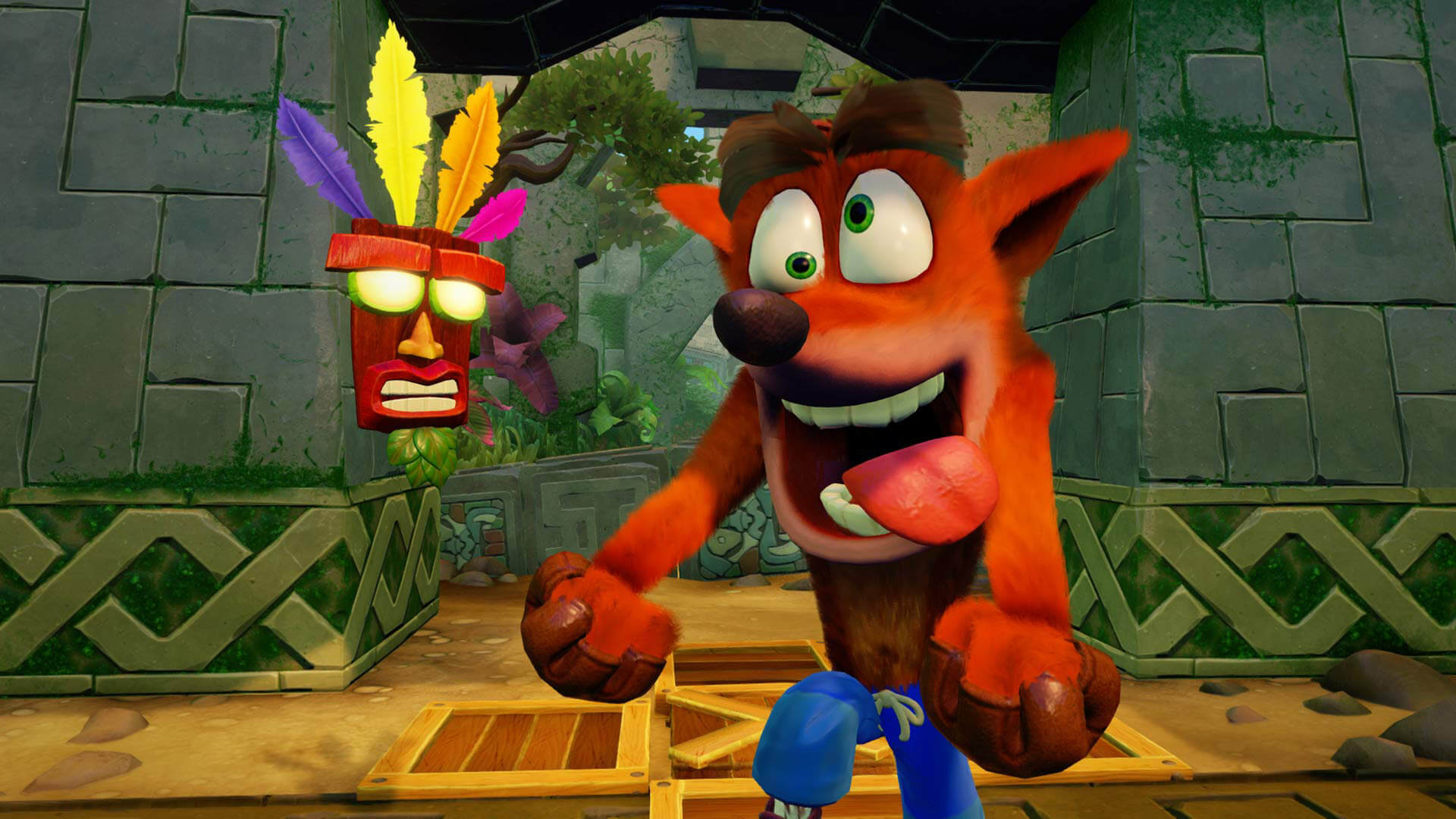
The multi-platform racing title Crash Nitro Kart could have marked the end of the iconic Crash Bandicoot franchise, according to series co-creator and character designer Charles Zembillas.
In a recent interview with Time Extension reflecting on his decades-long career, Zembillas suggested that during the early 2000s there was real uncertainty about whether the franchise would continue beyond that point.
According to Zembillas, the pressure surrounding the project was clear from the start. Developers at Vicarious Visions reportedly told him early in development that the game’s performance could determine the future of the entire franchise. If the title failed commercially, there was a possibility that publishers would abandon Crash altogether.
To give the project the best chance of success, Zembillas said he helped assemble a strong creative team for the game, bringing in fellow artist Joe Pearson and several experienced designers. The goal was to deliver a visually polished title that could prove the character still had value in a rapidly evolving games industry.
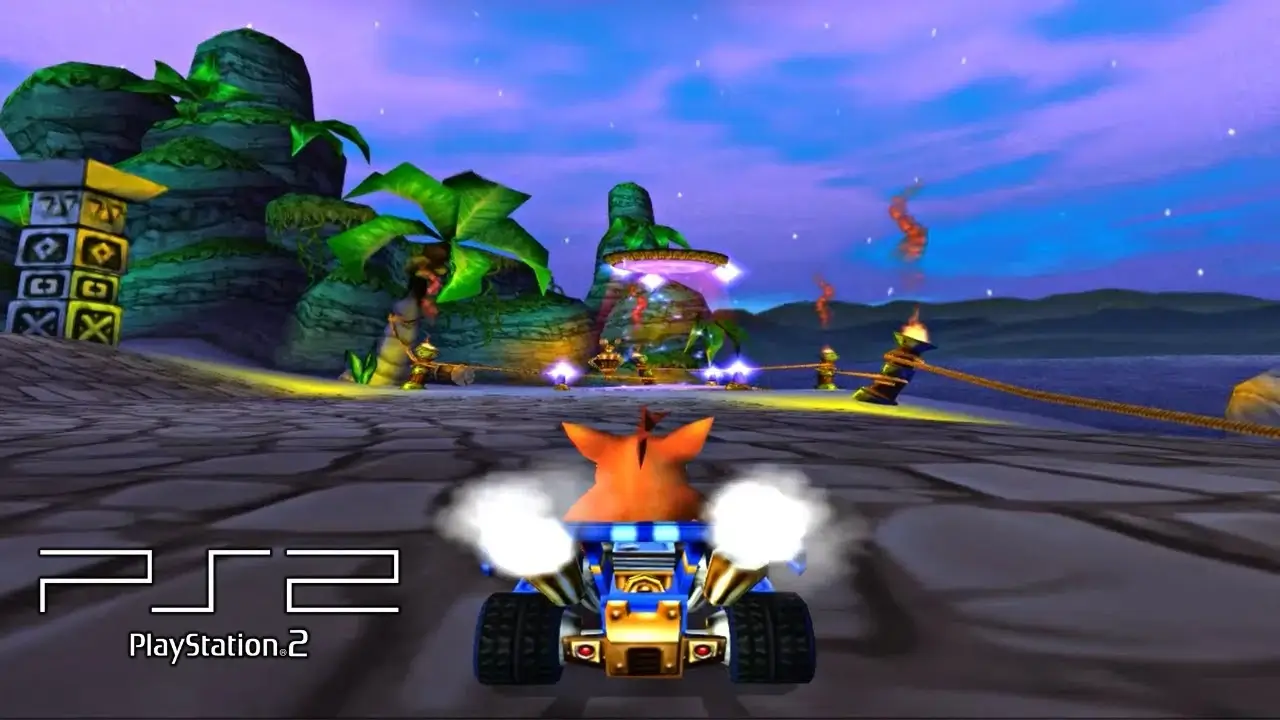
The game at the center of this reflection, Crash Nitro Kart, launched in November 2003 for multiple platforms including PlayStation 2, Xbox, GameCube, and Game Boy Advance. It was developed primarily by Vicarious Visions and published by Universal Interactive. The title served as a follow-up to the earlier kart racer Crash Team Racing, featuring characters from across the franchise competing in futuristic races organized by the villain Emperor Velo.
While the game expanded the series’ racing gameplay and introduced new characters and tracks, its release came during a transitional period for the franchise.
The original Crash trilogy had been created by Naughty Dog in the late 1990s and became one of the defining platformer series of the first PlayStation era. However, after the studio moved on to other projects, control of the intellectual property shifted to other developers and publishers. This change created uncertainty about the direction and longevity of the series.
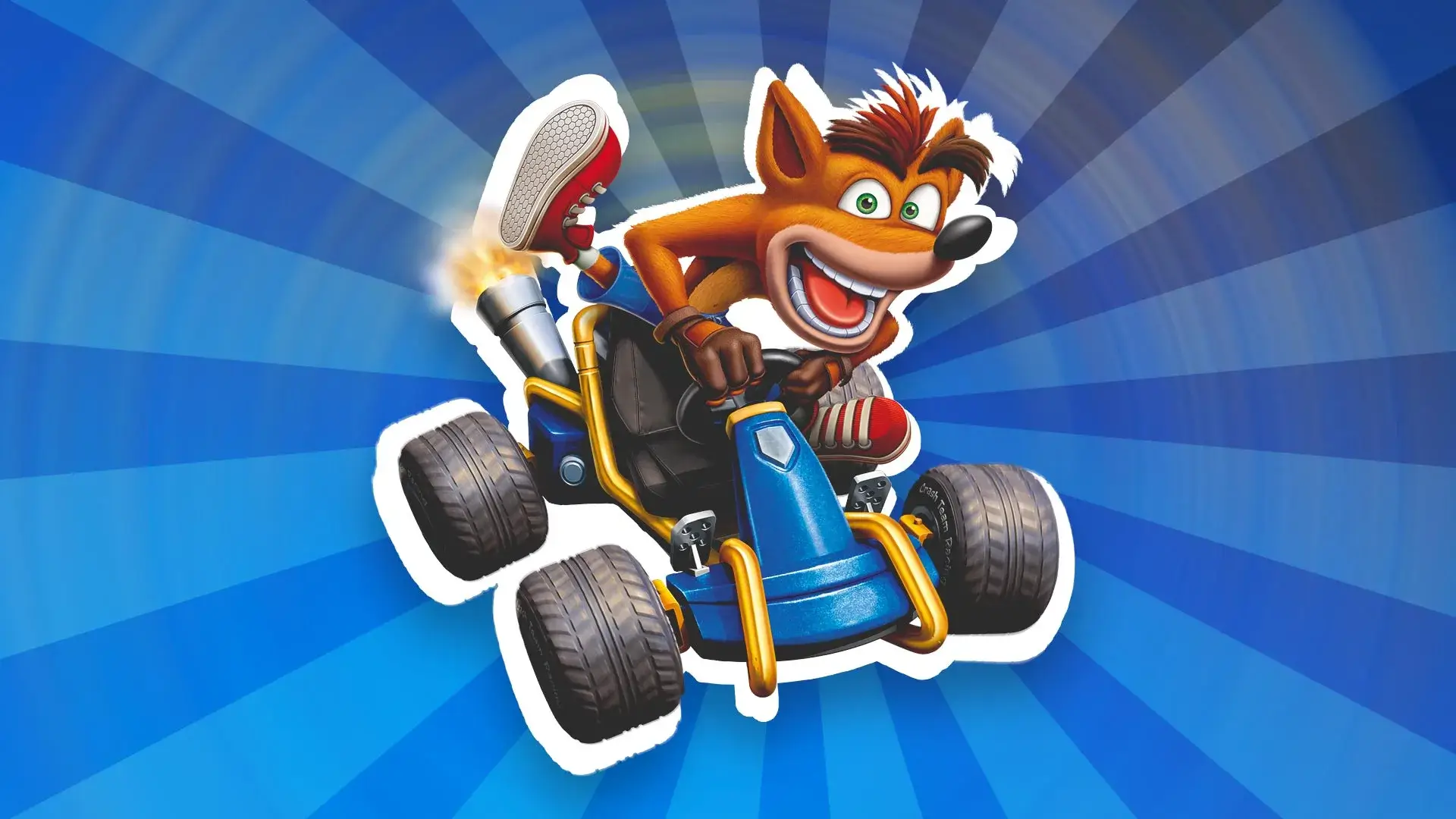
Before Crash Nitro Kart, Universal Interactive had already released several Crash titles developed by studios other than Naughty Dog. These included the party game Crash Bash, developed by Eurocom, and the platformer Crash Bandicoot: The Wrath of Cortex, created by Traveller’s Tales. Two handheld entries from Vicarious Visions—Crash Bandicoot: The Huge Adventure and Crash Bandicoot: N-Tranced—also launched during this time.
Although these games kept the franchise active, many did not achieve the same critical or commercial impact as the original PlayStation trilogy. That decline likely contributed to internal discussions about whether the character should be retired while publishers reconsidered the franchise’s direction.
In the end, however, Crash Nitro Kart appears to have performed well enough commercially to convince publishers that Crash still had a future. After its release, the series continued under Vivendi Universal Games, leading to several additional titles throughout the 2000s. While the reception of those games varied, they kept the franchise alive long enough for Crash to remain part of the gaming landscape.
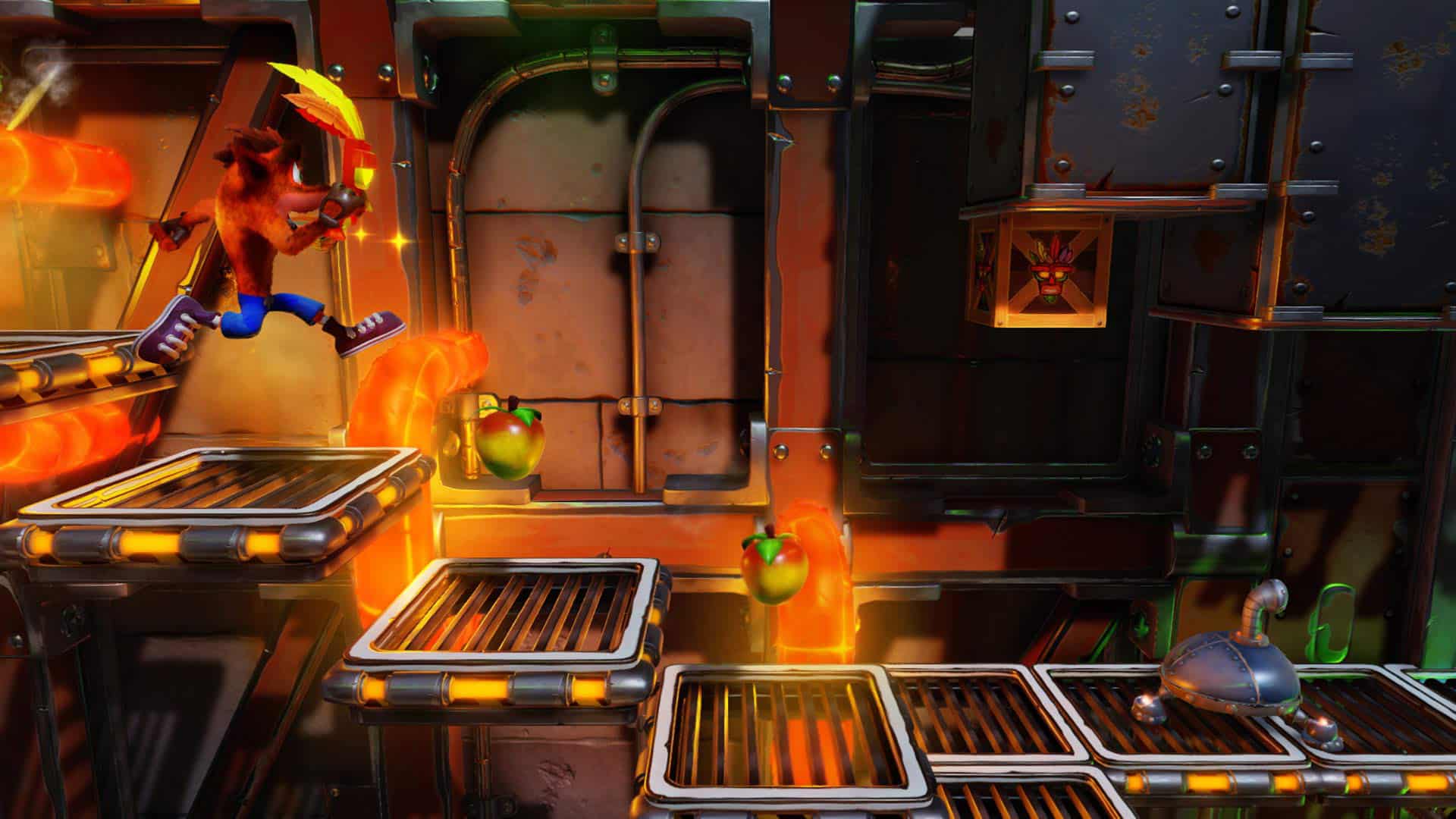
Zembillas himself played a crucial role in shaping Crash’s identity. As a character designer working with Joe Pearson, he helped establish the visual style and personalities of many characters that defined the franchise’s early years. Even later titles continued to rely on elements of those original designs, including characters like Emperor Velo introduced in Nitro Kart.
The fact that the franchise survived beyond that point highlights how unpredictable the games industry can be. Despite the uncertainty described by Zembillas, Crash continued to appear in multiple titles across the 2000s and 2010s. The character later experienced a major revival with remastered and new releases, reintroducing the franchise to a new generation of players and reaffirming its commercial viability.
Zembillas’s comments therefore provide an interesting historical insight into the fragile nature of video-game franchises. Even a character as recognizable as Crash once faced a moment where its future appeared uncertain—making the success of Crash Nitro Kart an unexpectedly important chapter in the series’ history.
More News:
Starfield PS5 Release Date Reportedly Leaked as April 7, 2026
Solos Coming to Black Ops Royale in Warzone Next Week
Sony’s PlayStation Portable Reportedly Set for Holiday 2027 Comeback
