


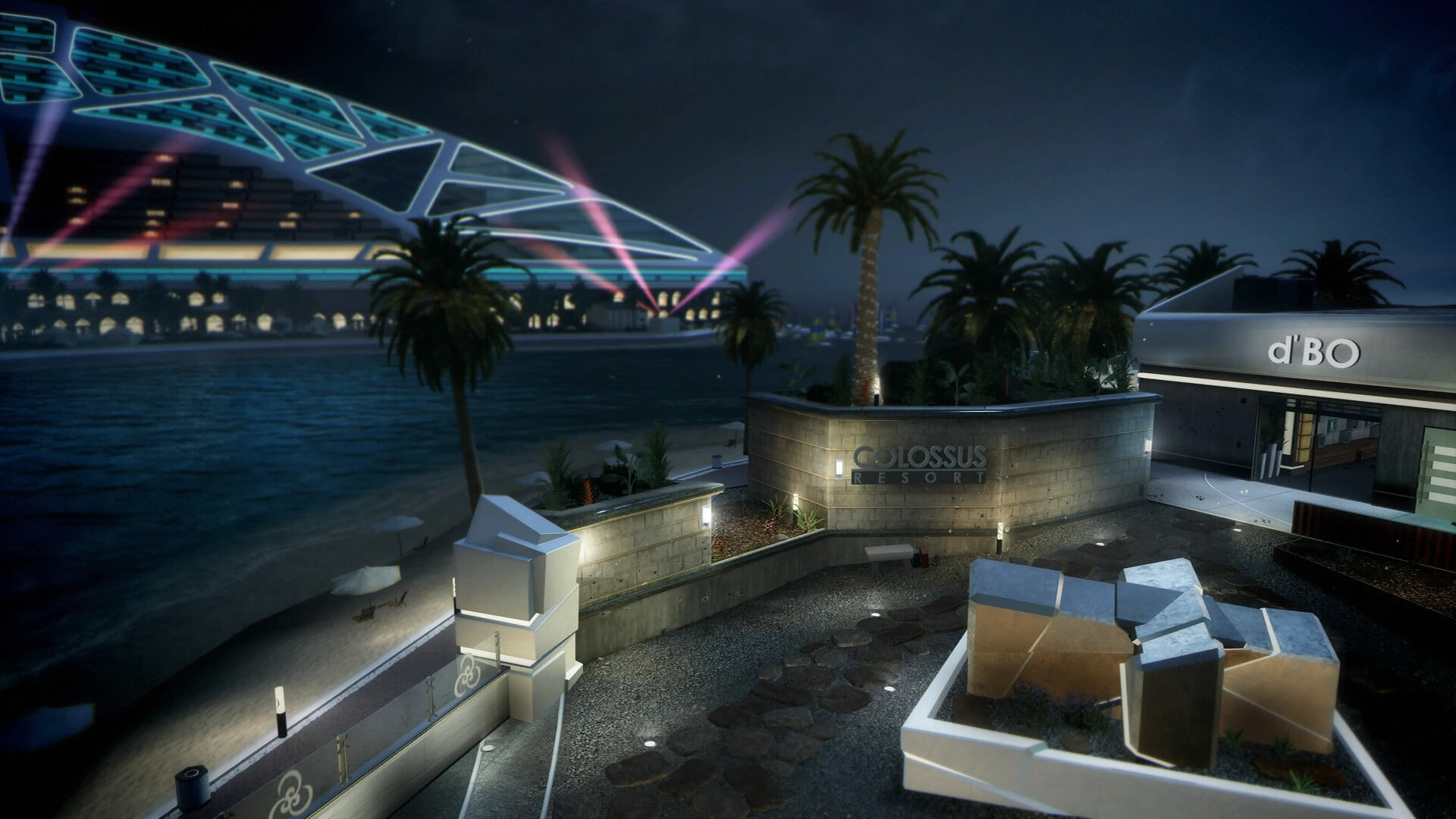
Treyarch has teased the return of the iconic “Plaza” multiplayer map in Call of Duty: Black Ops 7, signaling a major nostalgia-driven addition ahead of the game’s Season 3 update, scheduled to launch on April 2.
The map, originally introduced in Call of Duty: Black Ops II, has not appeared in a mainline Call of Duty title for over a decade, making its return one of the most notable content revivals in recent updates. Early teasers and reports indicate that “Plaza” will be part of a broader Season 3 rollout that includes new weapons, maps, and gameplay changes across multiplayer, Zombies, and Warzone-linked modes.
The timing of this reveal is significant. Season 3 is positioned as a major content drop in the live-service lifecycle of Black Ops 7, launching globally at the standard Call of Duty update window and introducing a new battle pass, ranked play refresh, and additional limited-time events. Developers have increasingly used seasonal updates to maintain engagement, and returning maps have become a central strategy in that effort.
Historically, nostalgia has played a measurable role in sustaining player retention within the franchise. At launch, Black Ops 7 already included a mix of 13 new maps and at least three returning maps from Black Ops 2, highlighting a deliberate balance between new content and legacy experiences.
This approach has continued through post-launch updates, where remastered maps like “Meltdown” and “Firing Range” have been reintroduced in earlier seasons, often coinciding with spikes in player activity and community engagement.
The return of “Plaza” fits squarely into this broader design philosophy. Industry analysts often view legacy map reintroductions as a low-risk, high-impact strategy: development costs are lower than building entirely new environments, while player familiarity increases immediate engagement.
In competitive multiplayer ecosystems, especially those tied to seasonal progression systems, recognizable maps can also help stabilize matchmaking pools and reduce onboarding friction for returning players.
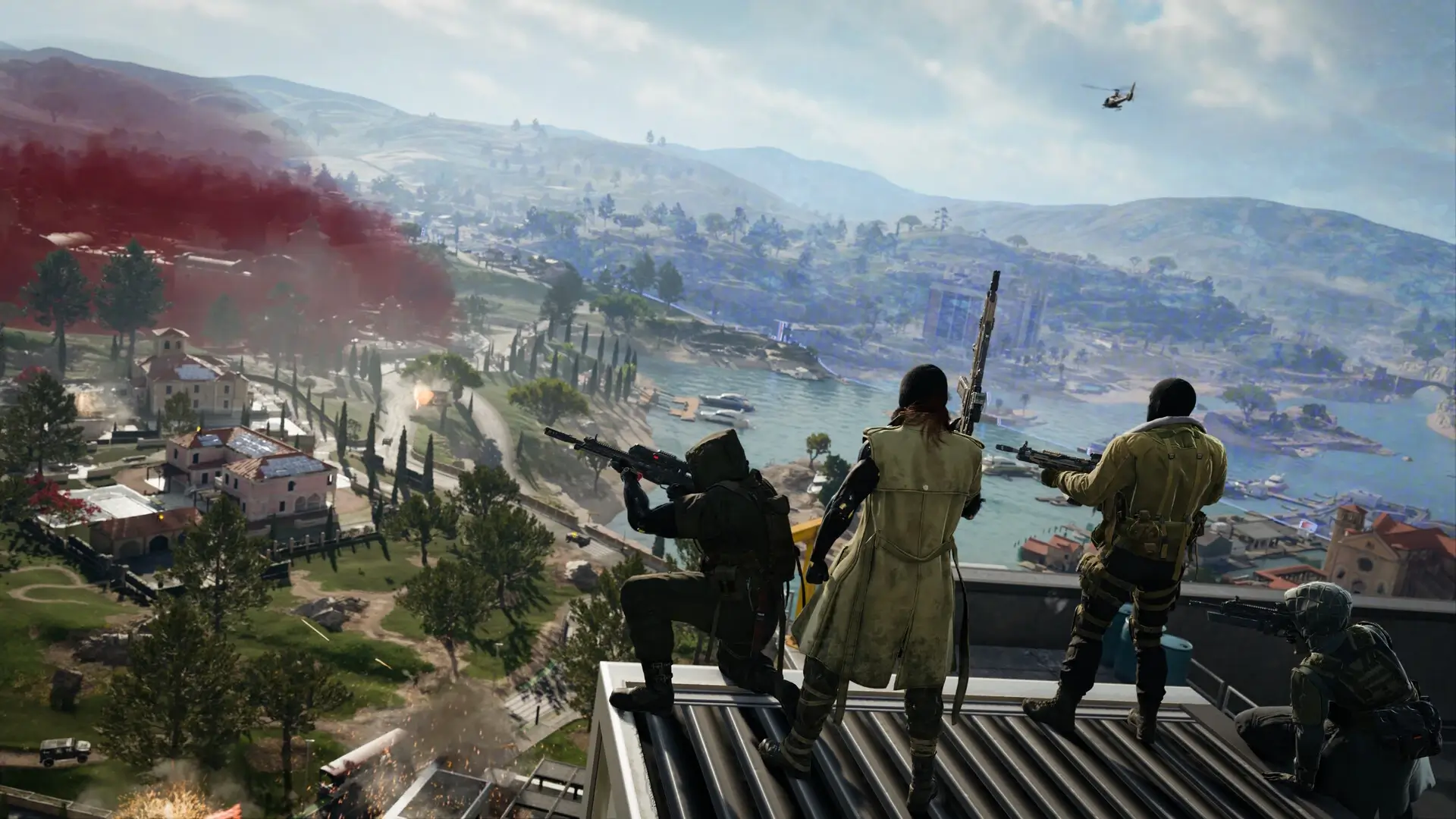
Beyond multiplayer, Season 3 is expected to expand content across multiple modes. Reports indicate that Zombies will receive additional weapons and a new map later in the season, while Warzone integration will include changes to the Avalon map and gameplay systems tied to the evolving “Black Ops Royale” experience. This multi-mode rollout reflects Activision’s broader strategy of unifying progression and content across its ecosystem, ensuring that each seasonal update impacts the full player base rather than isolated segments.
The choice of “Plaza” specifically also carries strategic weight. Unlike smaller, chaotic maps such as Nuketown, Plaza is known for its balanced three-lane design and competitive viability, making it suitable for both casual and ranked play. Its reintroduction could therefore influence map rotations in competitive playlists, particularly as Season 3 launches a new ranked cycle with fresh rewards.
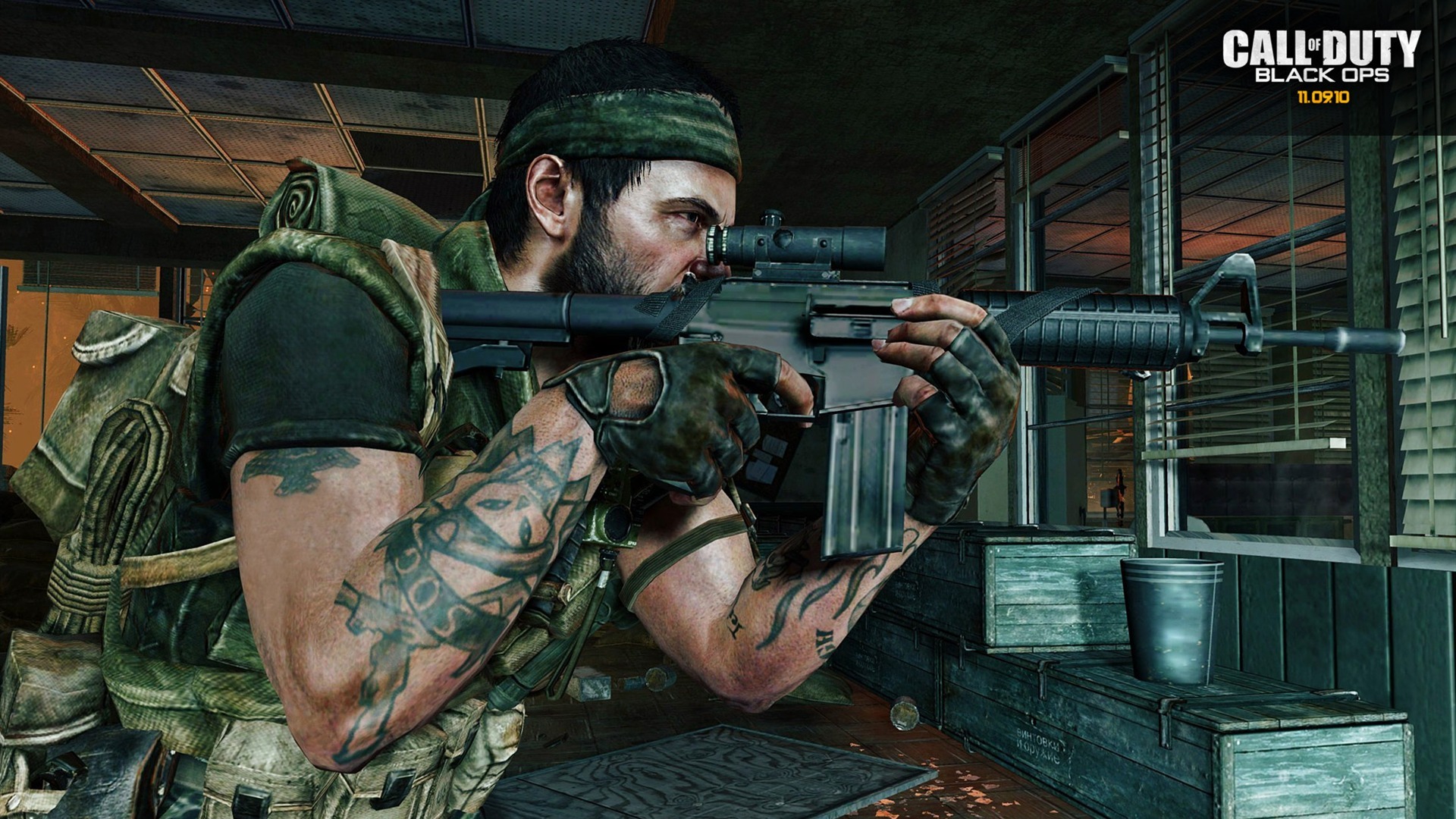
Looking ahead, the success of this update will likely depend on how well Treyarch combines nostalgia with meaningful innovation. While returning maps generate immediate excitement, long-term retention depends on new gameplay systems, balanced weapon updates, and consistent content pacing.
With Season 3 positioned as a major mid-cycle refresh, its performance could shape the roadmap for future updates and determine whether Black Ops 7 sustains its momentum in an increasingly competitive live-service market.
In the short term, however, the message is clear: by bringing back one of its most recognizable maps, Treyarch is doubling down on a proven formula—leveraging the past to secure the franchise’s present.
More News:
Pearl Abyss Apologizes for AI Assets in Crimson Desert, Says They Weren’t Meant to Ship
