


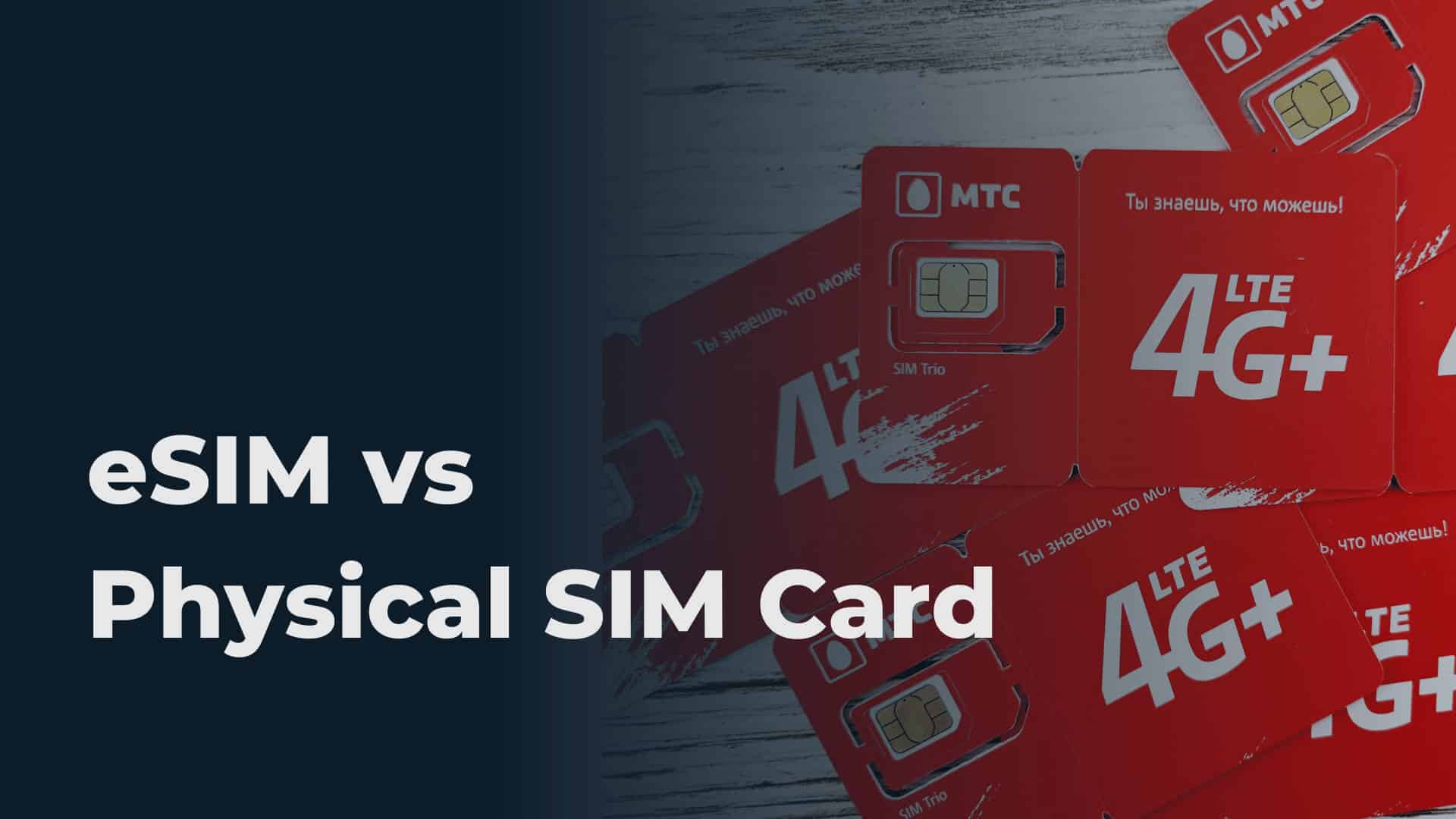
These two ways of connecting your phone to a cellular network are very different. We tell you about each and how you can switch from one to another.
For many years, mobile phones received cellular services through a physical Sim (subscriber identity module) card that your handset to your phone carrier’s network. These physical SIM cards made it easy to swap your phone or carrier whenever you are getting a new device, or you are traveling.
Nowadays, however, most modern phones also support eSIMs. As the name indicates, eSIMs are embedded directly into the phone and the carrier information is programmed remotely via software.
Physical SIM And eSIM Difference
A physical SIM card is essentially a tiny card with a chip that connects your phone to your wireless carrier. It contains identifying information like your account info and phone number. Without it, your phone won’t be able to make and receive calls and text messages.
Some phones allow you to remove the physical SIM card, which allows you to easily swap phones or carriers. This is useful if you want to use your existing number in another phone, or if you want to use your phone with another carrier.
Just insert a different SIM card and you can connect to different cell network. For years, some phones supported having dual SIM cards. You might have your home number on one and your work number on the other.
eSim is a virtual SIM card that you can set up with nothing more than a Wi-Fi connection, provided you have a compatible phone.
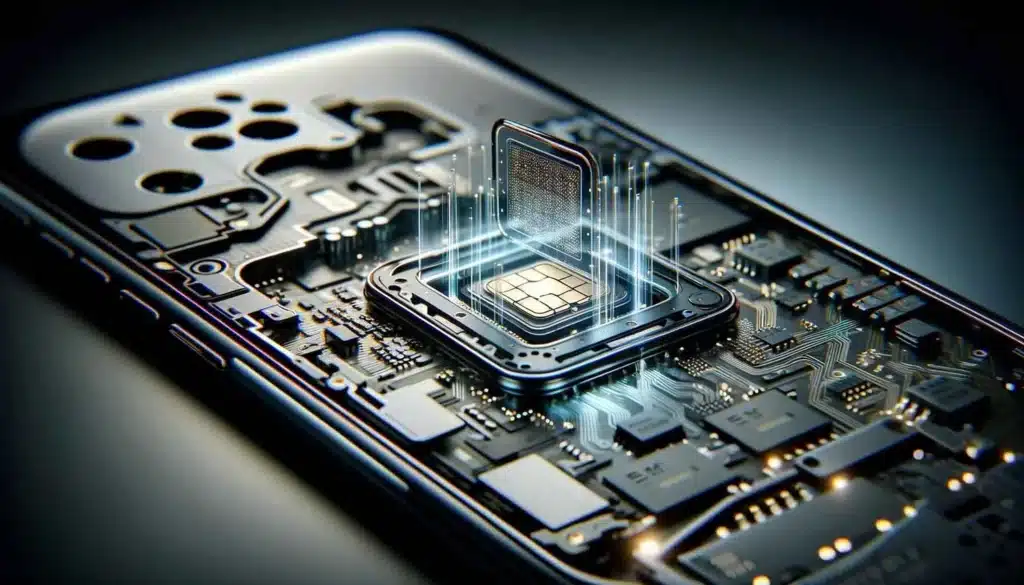
An eSIM, however, is embedded directly into the phone’s circuitry and cannot be ejected or removed. Instead, all the carrier information is programmed remotely via an app. The biggest advantage of eSIMs is that it allows one phone to have multiple lines even from different carriers.

Is eSIM Good For Travel?
This is especially useful when traveling, as you can add a global eSIM provider without having to purchase and wait in line for a physical SIM when you arrive at your destination. You can also move your service from one phone to another without needing to dig out a SIM ejector tool, but you might need to call your wireless service provider for assistance.
eSIM Vs Physical SIM: Pros And Cons
Is eSIM Better Than Physical SIM?
So why go with eSIM over a physical SIM? There are actually quite a few reasons. Let’s start with the advantages and disadvantages of eSIM technology.
As highlighted before, eSIMs have made it easier than ever to switch networks. Most carriers have an app that will quickly install network information onto an eSIM. The whole process takes minutes and doesn’t require you to go into a physical store to make the switch. Just to be aware not all networks support eSIM.
To test this new technology, several carriers also provide free eSIM trials that allow users to test out their networks and services before committing. This may be as simple as installing an app and setting up the experience from here.
Not just that, dual-SIM phones have never been very common in big countries, but eSIM has changed this. Many phones allow you to use the eSIM and SIM slot at the same time, giving you the ability to use two numbers on one device.
And if you are traveling to a new destination or a new country or a remote area and don’t have a good international plan with your carrier, you can quickly setup an eSIM line without having to hunt down a physical SIM card. Of course, many countries have limited eSIM support, so it really depends on where you are visiting.
What Happens If You Lose Your Phone?
When it comes to security, it is much harder to clone a phone’s eSIM card. Additionally, if a thief steals your phone, they could previously remove the SIM so they can’t be tracked and have time to reset the phone. The embedded eSIM can’t be removed, though a determined criminal will obviously find a way to reset the phone anyhow. On the bright side, it gives you a bit more time to potentially track down your device.
eSIMs don’t produce any extra plastics, which means less waste. Considering the use-and-toss nature of SIM cards, this waste can add up over the years.
Of course, there are also some downsides, as you might expect;
Switching phones isn’t quite easy as it was before. With physical SIMs you simply popped out the SIM and threw it into a new, compatible device. Now you have to install an app or enter eSIM instructions directly. You also have to deactivate the existing device. The whole process is still very fast, but physical SIM cards are still more convenient here.
Not all networks support eSIM, especially smaller carriers with low budget and under development. This minimizes options for you when choosing between different carriers with eSIM technology.
Although eSIM is a faster, more convenient way to set up a phone on a network, there are still a few advantages to physical SIM as well. Coming from eSIM cons, you can quickly switch phones as your network info is contained in a physical chip. It takes seconds to swap your SIM card, so it’s easy to upgrade devices.
For most, this probably doesn’t matter, but if you constantly change phones for work, it can be pretty handy. Moreover, physical SIMs provide the widest range of phone and network compatibility. eSIM has much wider compatibility these days, but there are still some limitations to it.
A physical SIM is still the best method if you want to ensure compatibility with the widest range of phones and networks.
However, the downsides are not to ignore. An eSIM is not only more secure than physical SIM, but it’s also safe from physical damage. Physical SIMs tend to be pretty hardy, but they do go bad and replacing them isn’t always the most convenient process.
There are more hoops involved when switching networks. You will need to either go to a physical store or get a SIM card mailed to you if you want to switch networks. This is obviously a lot less convenient than downloading an app and following a few prompts.
Removing the SIM tray frees internal space for larger batteries, improved cooling, and better cameras. For ultra-compact devices like smartwatches and wearables, that space is essential.
Products like Apple Watch, iPad Pro, and Samsung Galaxy Watch 6 are already using exclusive eSIM technology. The result is sleeker, more refined, and efficient devices.
Another Upcoming SIM Technology
You might have heard of iSIM. Wondering what that is? Just like eSIM, it’s basically an embedded SIM technology. The SIM is designed with security in mind and is primarily aimed at Internet of Things devices as an alternative to eSIM.
It’s possible the technology could come to phones in the future, as the Snapdragon 8 Gen 1 was the first SoC to support the tech, Unfortunately, no carriers support it just yet.
eSIM Phone Compatibility
Which Phones Support eSIM?
Different big phone manufacturers have already invested into eSIM technology recently. Phones that support eSIM include Google Pixel 3 and above, iPhone XS and its newer generations, Samsung Galaxy S20 and later. The shift is no longer hypothetical, it’s already underway with Apple beginning its transition to eSIM with the launch of the iPhone 14, which came without a SIM tray.
A move that clearly highlights the beginning of a new era with eSIM technology. Globally, the transformation is gaining momentum steadily. eSIM smartphone connections are expected to grow beyond a billion by 2026 and is projected to dominate the market with three quarter shares by 2030.
What You Should Choose?
Choosing between physical and eSIM depends on your travel habits, device, and priorities. However, eSIM is clearly emerging as the future-proof, convenient, secure, and cost-effective option for most users—especially travelers.
Can You Switch Back To Physical SIM?
For those who want the best balance of flexibility and reliability, combining your physical SIM for calls with a travel eSIM for data is smart. With a carrier that provides seamless global coverage and affordable pricing, you can confidently embrace eSIM technology and travel smarter in 2026.
Does eSIM Cost More?
eSIMs can cost more than traditional SIMs due to Activation fees, data plans, and marketing prices. Since it’s a new technology. Device compatibility also comes as a factor.
More Guides
Buying A New Laptop – What You Must Check Before Paying
Smart TV Vs Android TV Vs Google TV – What’s The Difference?
