


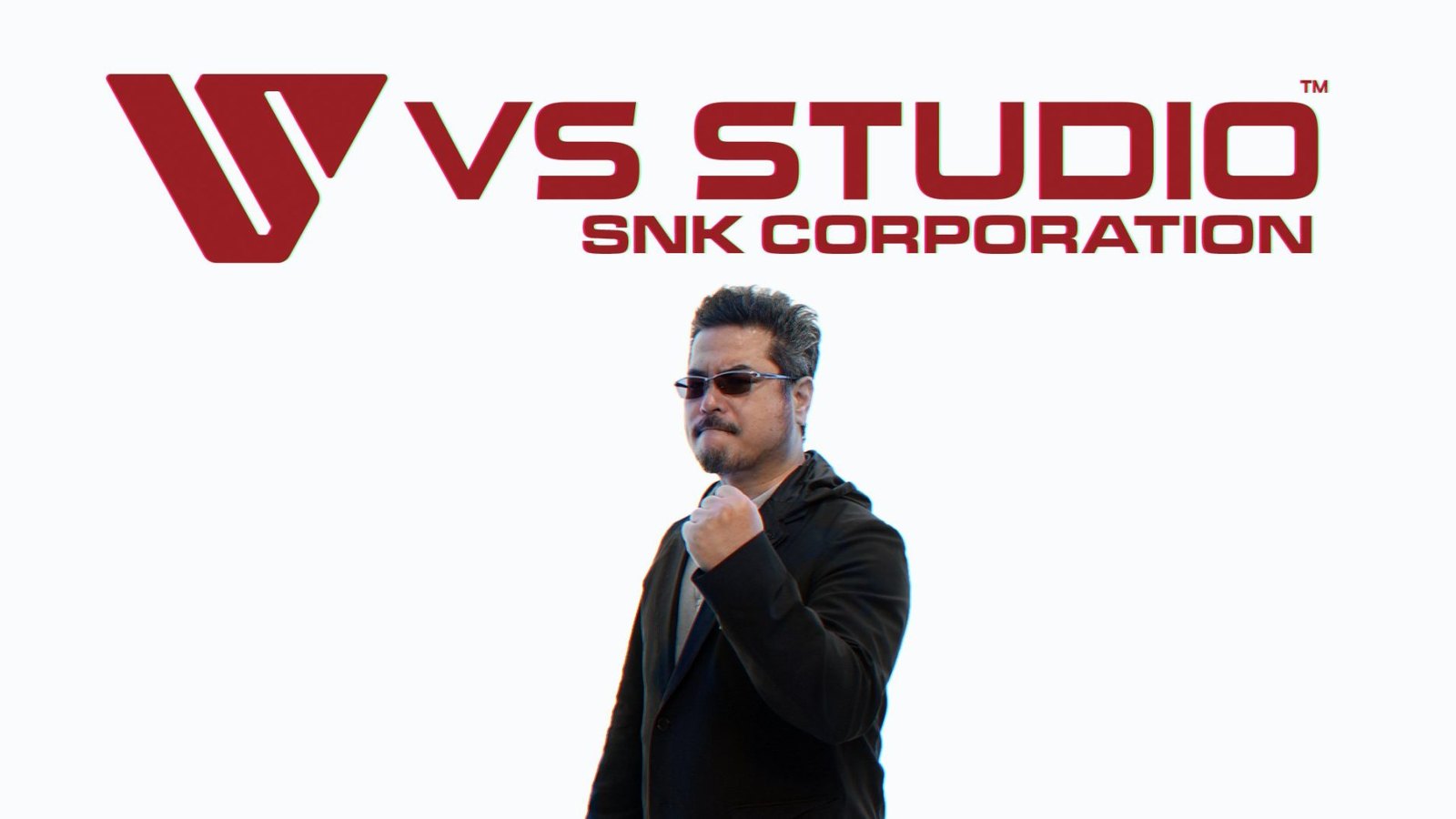
Katsuhiro Harada says his new VS Studio is aiming to recapture some of the ambition and creative energy associated with what he considers the “golden era” of Japanese game development. Speaking in a new VGC interview alongside SNK executive Ozan Kocoglu, the longtime Tekken producer discussed the philosophy behind the studio, its plans to create original projects and why he believes Japanese developers can once again operate with the scale and freedom that defined earlier generations.
VS Studio was established earlier this year after Harada left Bandai Namco following more than three decades with the company. The Tokyo-based developer operates within the wider SNK group, with Harada serving as president and CEO, but has been structured with a degree of creative independence rather than functioning as a conventional internal SNK development team. Harada has repeatedly described that independence as central to the type of environment he wanted to build after leaving Bandai Namco.
In the VGC interview, Harada argued that Japanese game development once benefited from a willingness to experiment across genres and create entirely new properties rather than relying heavily on established franchises. He said VS Studio wants to recover some of that mindset, describing an ambition to bring back the period when Japanese studios were producing a broad range of distinctive games at significant scale. His comments were framed around development culture rather than simply attempting to recreate older titles or visual styles.
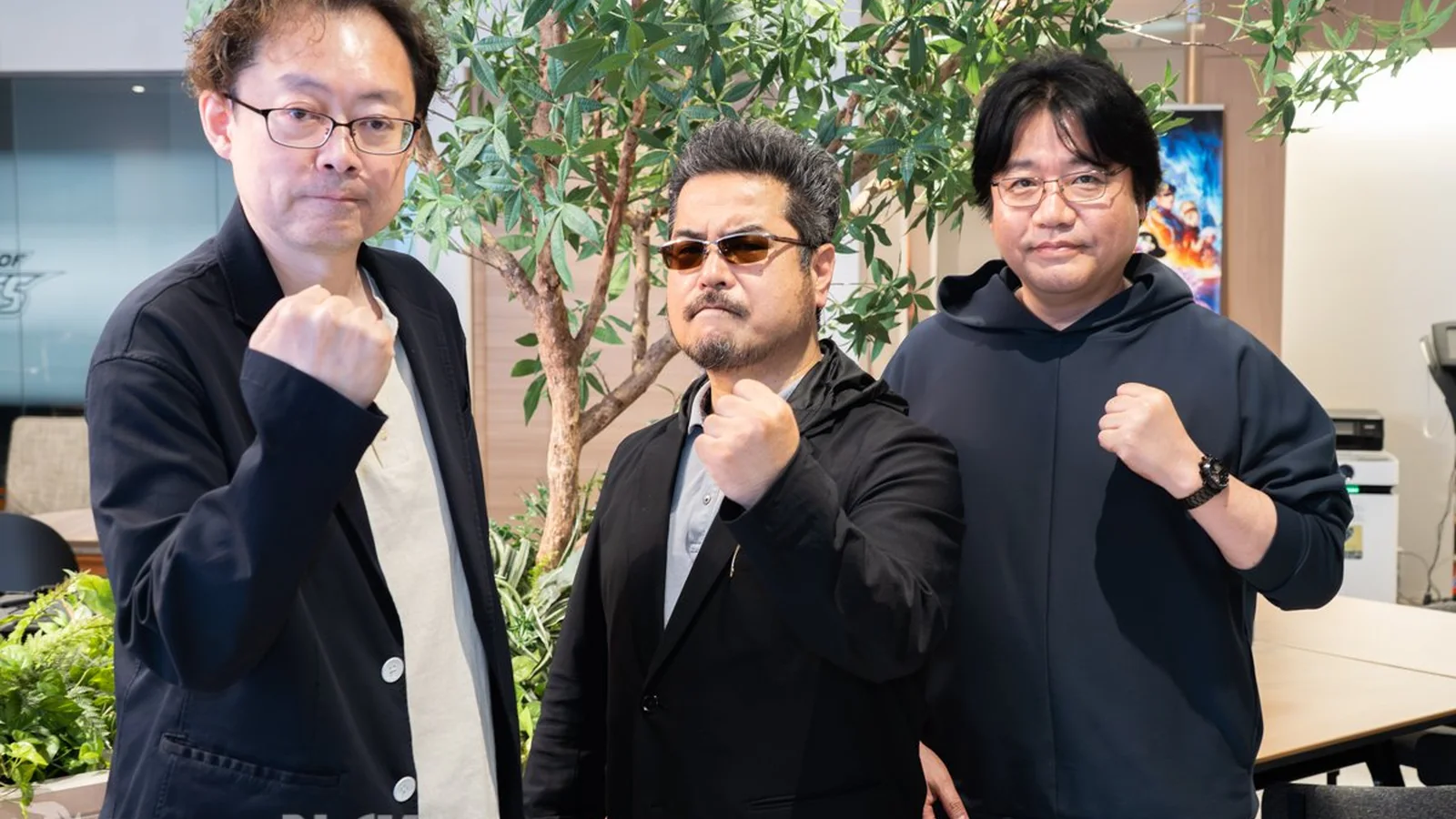
That distinction is important because VS Studio has not yet announced its first game. Harada has previously said the team is primarily interested in competitive action but does not want to lock itself into one genre, despite his long association with Tekken and SNK’s history with fighting games. He has also left open both the possibility of creating a new IP and working with an existing SNK property, saying earlier this year that the studio was not yet ready to disclose which direction it had chosen.
The team has already assembled several developers with deep fighting-game experience. Yuichi Yonemori, who worked on the Tekken series beginning with Tekken Tag Tournament, serves as VS Studio’s chief creative officer. Former Tekken 7 and Tekken 8 game director Kohei Ikeda also joined the studio in August after leaving Bandai Namco, reuniting three developers who spent years working together on the franchise.
Harada’s broader point, however, is that VS Studio should not simply become another Tekken-style development house. He has previously stressed that 2D and 3D fighting games differ substantially despite being grouped within the same genre, and has resisted suggestions that his next project must automatically be a traditional fighting game. Instead, he has talked about using the experience of both former Tekken developers and SNK creators to produce something that emerges from that combination rather than directly copying either side.
VS Studio’s relationship with SNK is designed to support that approach. Harada has said the company is a subsidiary but not wholly owned in a way that removes its independence, while SNK provides access to resources, expertise and a long history of game development. That setup gives Harada an opportunity to build a studio culture around smaller decision-making groups while still operating with the backing of an established publisher.
The “golden era” comparison also reflects Harada’s concern about how large modern studios can become constrained by established production structures. His comments suggest he wants VS Studio to retain enough freedom to take creative risks while still having the resources required to make games intended for a global audience. That balance between autonomy and scale appears to be one of the defining ideas behind the company.
For now, VS Studio’s first project remains unannounced, and Harada has not provided a release window or confirmed whether it will use an existing SNK franchise. The studio is still expanding its team and has spent much of 2026 outlining its philosophy rather than revealing a game. What is becoming clearer is that Harada sees VS Studio as an opportunity to build something broader than a successor to his Tekken work, with new IP and a return to more ambitious Japanese game development forming part of that goal.
