


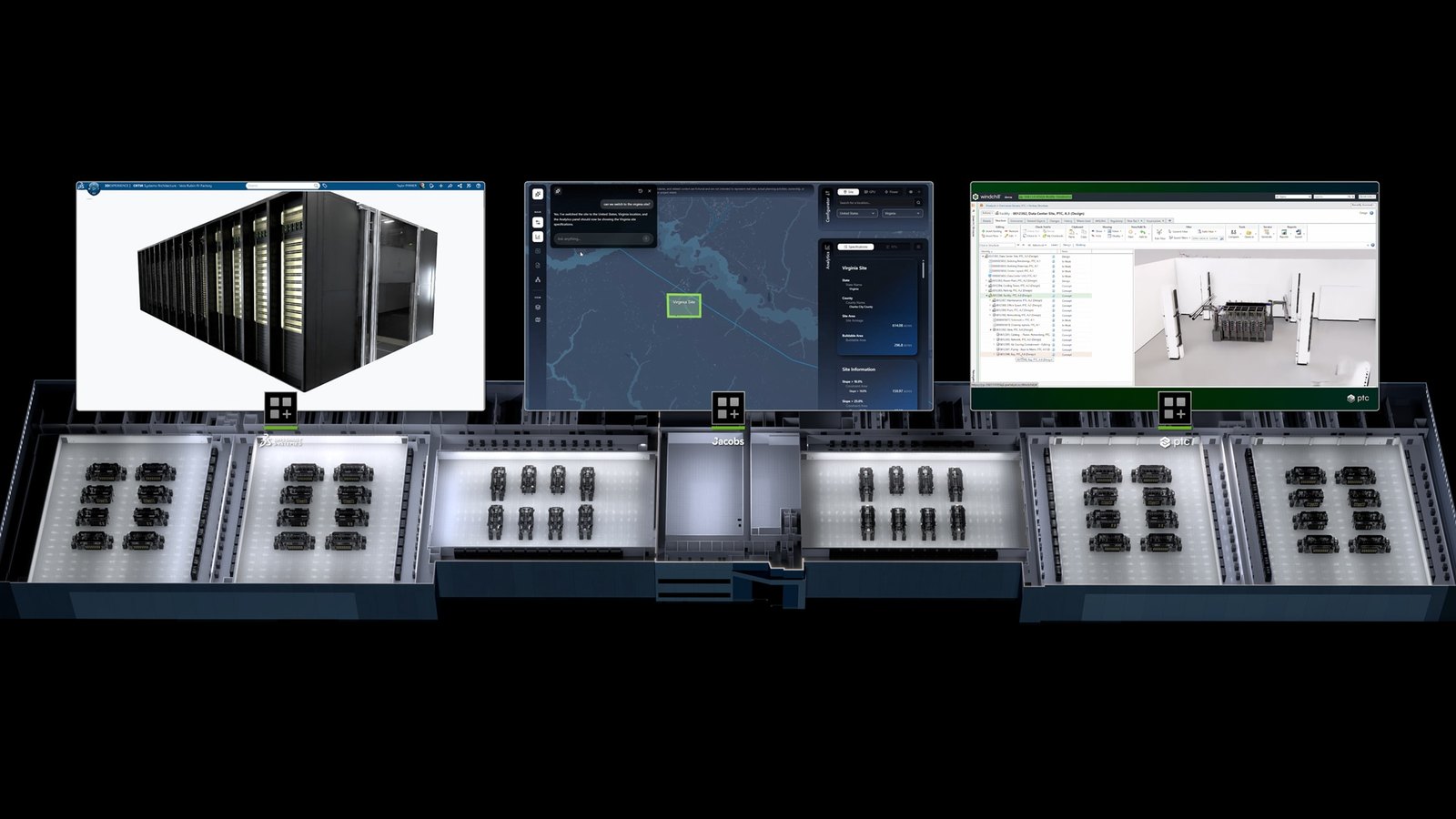
NVIDIA has launched DSX Ready, a new qualification program designed to help AI factory builders identify power and cooling products that meet applicable NVIDIA DSX reference-design requirements. The program begins with two infrastructure categories: battery energy storage systems, or BESS, and cooling distribution units, or CDUs. NVIDIA says the goal is to give builders a clearer way to evaluate compatible products while reducing integration risk as AI facilities face increasingly tight power, cooling, water and grid constraints.
The first qualified BESS providers are Hitachi Energy, LG Energy Solution and Tesla, while LG Electronics, LiquidStack and Vertiv are included for CDUs. NVIDIA says additional infrastructure and software categories will be added over time, expanding DSX Ready beyond its initial focus on power storage and liquid cooling. The program is intended to connect NVIDIA’s broader DSX AI factory reference designs with specific partner products that have demonstrated compliance with the requirements relevant to their category.
NVIDIA DSX is the company’s system-level framework for designing and operating AI factories across compute, networking, power, cooling, facilities and software. Rather than treating each layer independently, NVIDIA positions DSX around the idea that bottlenecks can move between infrastructure components as workloads and rack densities increase. That approach also underpins NVIDIA’s DSX MaxLPS work on increasing AI throughput per unit of power, which focuses on improving how efficiently large AI systems use available electrical and cooling capacity.
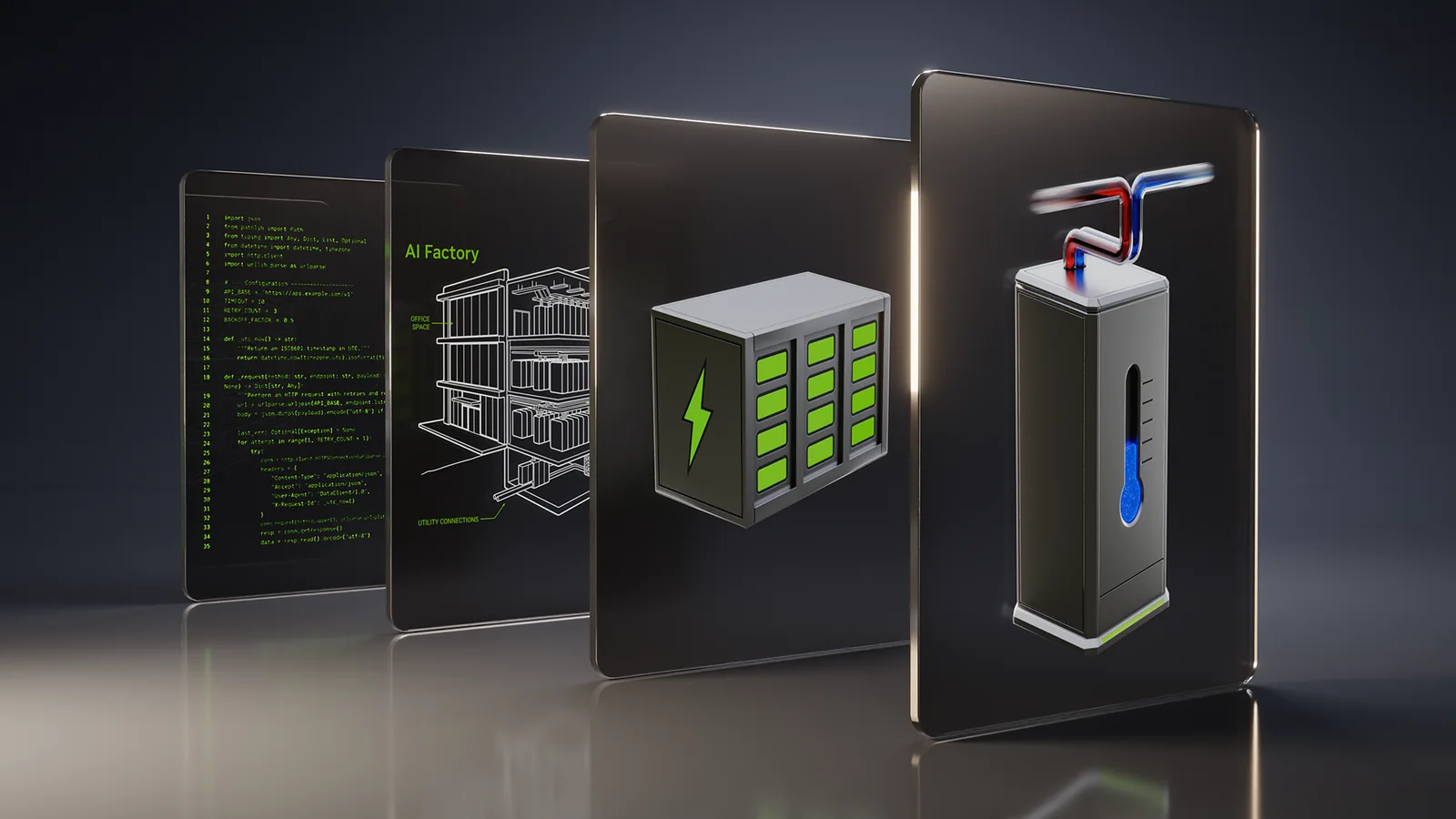
The BESS qualification process is particularly focused on how battery systems behave as grid-interactive infrastructure. NVIDIA’s published requirements cover areas including dynamic real and reactive power response, current limiting, low-voltage ride-through, islanded operation, black start and transitions between grid-connected and islanded modes. Partners conduct the required tests and submit supporting data to NVIDIA for review, but qualification applies only within the defined product boundary and does not mean an entire deployment site has been certified as stable.
For cooling, NVIDIA uses a self-qualification suite to determine whether a specific CDU meets applicable DSX functional requirements. CDUs form part of the liquid-cooling infrastructure used to move heat away from increasingly dense AI systems, and NVIDIA’s reference guidance calls for coordinated designs covering flow rates, redundancy and facility integration. A DSX Ready qualification therefore indicates that a product meets the relevant NVIDIA criteria, while operators must still determine whether it fits the engineering requirements of a particular site.
The program arrives as power availability and thermal management become larger constraints on AI infrastructure expansion. NVIDIA has been developing DSX around those limitations, including new power architectures for high-density systems and technologies intended to make AI factories more responsive to electricity supply conditions. That work overlaps with the recently formed AI Energy Management Alliance involving Google, NVIDIA and Emerald AI, which is focused on data centers that can adjust electricity consumption in response to grid conditions.
DSX Ready also gives infrastructure suppliers a more formal path to show that their products fit within NVIDIA’s AI factory architecture. Instead of builders relying only on individual vendor specifications, the qualification links specific offerings to a common set of functional requirements for NVIDIA-designed facilities. This could become more significant as new GPU generations push rack power density higher and force data-center operators to coordinate compute hardware more closely with electrical and cooling infrastructure.
NVIDIA has not indicated how quickly additional DSX Ready categories will arrive, but it says the program will expand across infrastructure and software over time. For now, the initial rollout establishes qualified building blocks in two of the most critical areas surrounding large AI deployments: energy storage and liquid cooling. The broader objective is to make it easier for AI factory operators to move from NVIDIA reference designs to real-world deployments using partner hardware that has already been evaluated against the relevant DSX requirements.
