


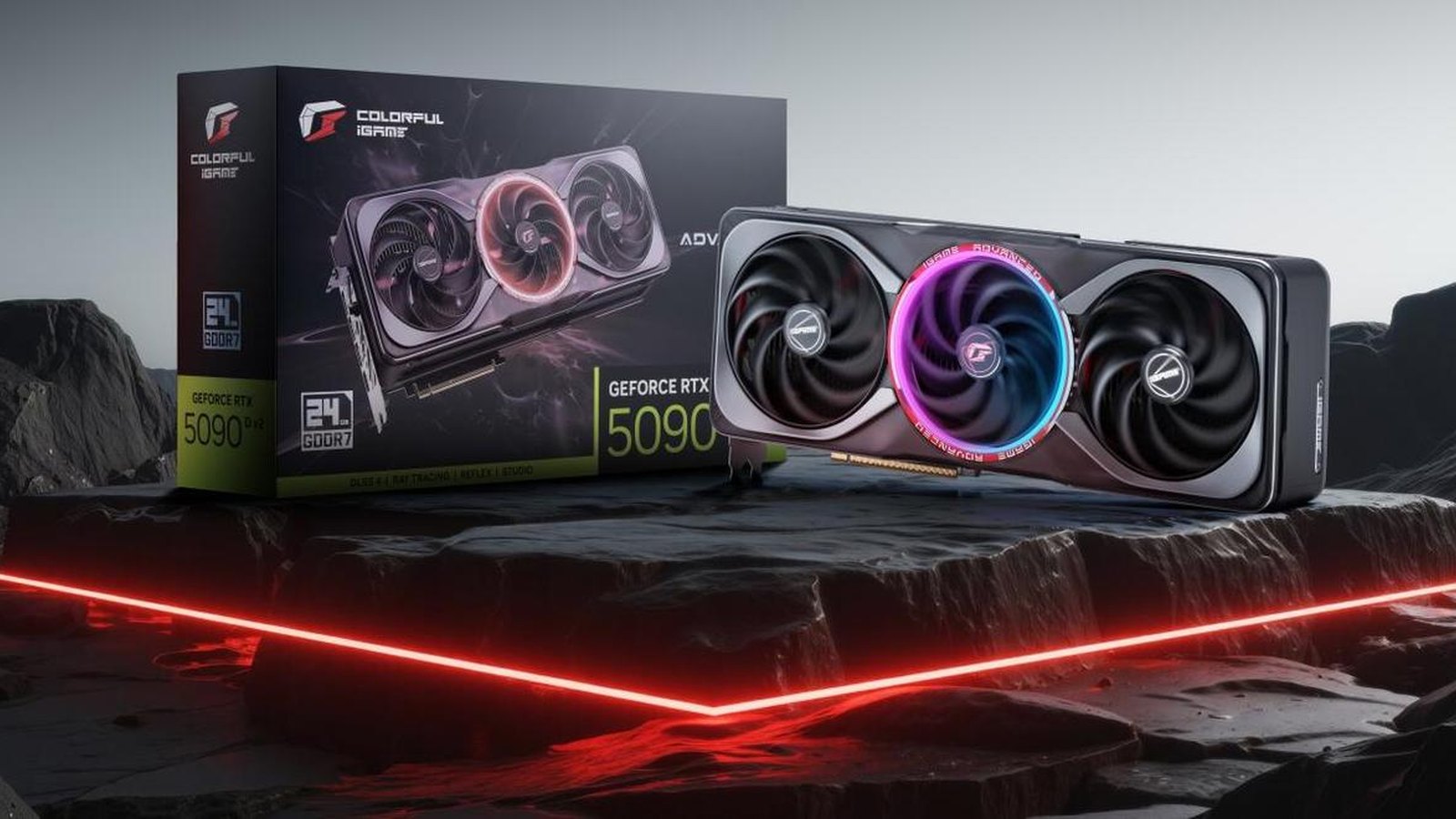
NVIDIA GeForce RTX 50-series graphics cards are facing another round of reported price increases in China, with Colorful implementing higher November factory prices across most of its Blackwell gaming GPU lineup. The adjustments reportedly reach 3,300 yuan, approximately $460, for certain RTX 5090D V2 models, while RTX 5080 cards face increases of up to 2,800 yuan. GALAX is also reportedly preparing additional pricing adjustments that could take effect during the week of November 3, 2026.
The latest figures originate from Chinese graphics card channel publication Board Channels, also known as ChannelGate, which cites information from add-in card manufacturers and their distribution networks. The reported changes concern factory and distributor pricing rather than verified increases at consumer retailers. NVIDIA has not announced an equivalent worldwide adjustment to its GeForce RTX 50-series suggested retail prices.
Colorful’s reported November pricing policy affects nearly the entire RTX 50 range. The RTX 5090D V2, a China-specific version of NVIDIA’s flagship gaming GPU, faces increases ranging from 2,200 to 3,300 yuan, equivalent to approximately $310–$465. The RTX 5080 receives an even higher minimum adjustment, with reported increases between 2,500 and 2,800 yuan, or roughly $350–$395.

The remaining reported Colorful price adjustments are:
RTX 5070 Ti models increase by 1,000 yuan, approximately $140. RTX 5070 cards rise by 600–900 yuan, equivalent to roughly $85–$125.
For the RTX 5060 Ti, the 16GB variants receive increases of 250–400 yuan, while 8GB versions rise by 100–150 yuan. The standard RTX 5060 is affected by smaller adjustments of 150–200 yuan, approximately $20–$30.
These figures represent changes to the manufacturer’s previous supply prices, not the total prices consumers will pay for graphics cards. The precise increases may differ between individual board designs, retailers and regional markets.
GALAX could introduce another round of price increases during the same week. Information attributed to sources within the company’s manufacturing operations suggests RTX 5060-class cards and higher models could receive adjustments starting at approximately 200 yuan, with potentially larger increases for premium GPUs. Unlike Colorful’s reported November policy, the exact timing and final amounts of the GALAX changes remain uncertain.
The new pricing developments arrive amid continuing pressure on graphics card availability. RTX 50-series supply shortages in China have reportedly encouraged some distributors to shift their attention toward older GeForce RTX 3060 and RTX 3050 models as inventories of newer gaming GPUs become increasingly difficult to secure.
Higher graphics memory costs and limited supply have also contributed to broader GPU pricing pressure throughout 2026. Previous manufacturer-level adjustments affected RTX 50-series models during the summer and autumn, making the newly reported November increases another development in an established pattern rather than the first significant price change.
Retail conditions have already demonstrated the impact of constrained availability. RTX 5080 listings approaching $2,000 at US retailers illustrate how far some graphics cards have moved beyond NVIDIA’s original $999 suggested price. However, those existing retail premiums should not be confused with Colorful’s newly reported Chinese distributor adjustments.
Availability concerns have extended to NVIDIA’s own sales channels, where the RTX 5080 disappeared from the company's US Marketplace amid broader inventory constraints.
For PC builders and gamers considering an upgrade, the most immediate significance is the possibility that higher wholesale costs will eventually reach retail listings. Such changes could affect both high-end GPUs and more affordable models, although retailers may absorb some costs or adjust prices differently depending on existing inventory and demand.
The reported increases do not establish that every RTX 50-series card worldwide will become more expensive by the same amount. They specifically describe Chinese manufacturer and distribution-channel pricing, and no corresponding global price schedule has been confirmed.
Consumer pricing effects will depend on how manufacturers, distributors and retailers respond as the November adjustments move through the supply chain. The distinction is particularly important for the RTX 5090D V2, whose reported price increase cannot be directly applied to the standard RTX 5090 sold in other markets.
